
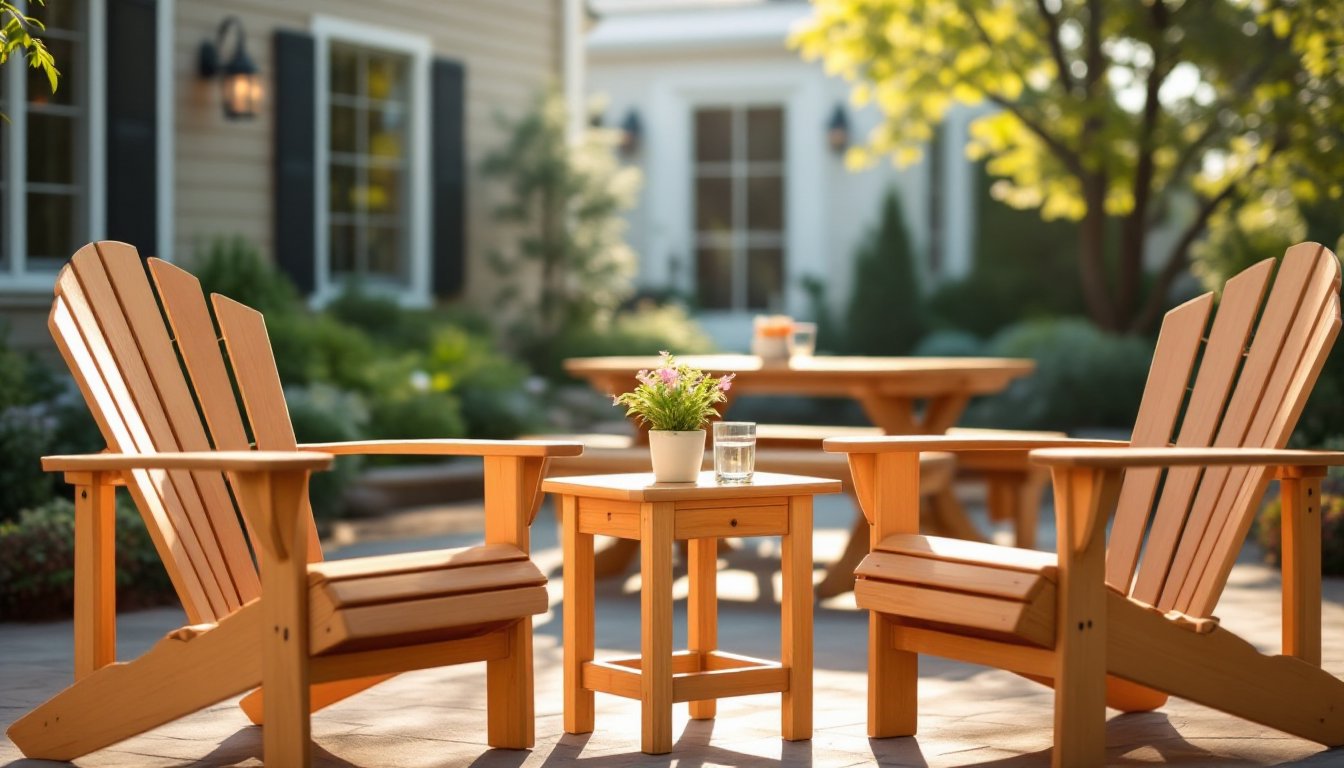
Cedar has earned its reputation as the gold standard for outdoor furniture for solid reasons: it naturally resists rot, insects, and weather damage without requiring heavy chemical treatments. Unlike softwoods that absorb moisture and warp, or hardwoods that demand constant refinishing, cedar strikes the rare balance of durability, aesthetic appeal, and manageable maintenance. For homeowners planning a patio overhaul or adding a few key pieces, understanding what cedar delivers, and what it demands, makes the difference between a smart investment and buyer’s regret. This guide walks through cedar’s advantages, the types of furniture available, realistic maintenance expectations, and how to evaluate cost against long-term value.
Key Takeaways
- Cedar patio furniture naturally resists rot and insects without chemical treatments, making it safer around food prep areas, pets, and children.
- Cedar furniture requires annual maintenance with water-based sealant every 12–18 months, but its durability means it outlasts cheaper alternatives by a decade or more, improving long-term value.
- Quality cedar seating ranges from classic Adirondack chairs ($150–$400) to dining sets ($1,500–$3,500), with superior joinery and wood grain alignment as key indicators of construction quality.
- Unlike pressure-treated wood, cedar strikes a balance between durability, aesthetic appeal, and manageable maintenance—aging naturally to silvery-gray or retaining its honey tone with regular sealing.
- Store cedar patio furniture indoors during extended wet seasons using breathable tarps, and inspect joints annually to prevent water damage and extend lifespan by years.
Why Cedar Is the Best Choice for Outdoor Furniture
Cedar stands out because it contains natural oils and compounds called thujaplicins that deter rot and insects without relying on pressure-treatment chemicals. Unlike pressure-treated lumber, which can leach harmful compounds into soil and requires careful handling, untreated cedar is safe around food prep areas, pets, and children. It’s also lighter than treated pine or exotic hardwoods, making it easier to move or rearrange without a second pair of hands.
The wood’s fine grain takes stain and finish beautifully, aging to a silvery-gray patina if left unfinished, a look many homeowners prefer to the fresh-cut appearance. If you prefer to maintain the warm, honey tone, annual sealant application preserves it. Cedar’s workability is another advantage: it machines cleanly, allowing manufacturers to create detailed joinery without splintering, and DIYers can repair or refinish pieces at home without specialized equipment.
One honest caveat: cedar isn’t indestructible. It’s softer than teak or cumaru (two other premium outdoor woods), so it dents and scratches more easily under heavy use. It also costs more upfront than pressure-treated pine but typically lasts longer and requires fewer interventions, improving its lifetime value.
Types of Cedar Patio Furniture Available
Cedar patio furniture comes in recognizable styles, each suited to different patios and budgets.
Seating Options and Loungers
Adirondack chairs remain the classic cedar choice, simple geometry, easy maintenance, and instantly recognizable aesthetics. Traditional designs use mortise-and-tenon joinery and dry-fit assembly, meaning no glue or fasteners visible from the front. Expect prices around $150–$400 per chair depending on finish quality and wood grade.
Lounge chairs and chaise lounges offer relaxation but require more careful construction to handle body weight safely. Look for chairs with a seat depth of 20–24 inches and a back angle of 30–45 degrees: anything steeper can strain the lumbar spine. Quality loungers run $300–$800 and should feature reinforced joints and mortise construction rather than bolt-and-bracket assembly.
Bench seating and sectional components (modular sofa pieces) have grown popular for larger gatherings. Cedar benches with backs cost $200–$600 and accommodate 2–3 adults comfortably. Confirm weight ratings, solid construction should support 300+ pounds safely.
Tables and Benches
Dining tables in cedar range from simple rectangular designs (seats 4–6) to round or octagonal styles. A standard 4-person table measures 36″W × 48″L and costs $300–$700. Larger tables or those with leaf extensions cost proportionally more. Cedar’s workability allows for decorative edge profiles (beveled, routed edges) without significant cost premiums.
Coffee and side tables serve tighter spaces and accent larger seating groups. These typically run $100–$300 and work well for drinks, books, or potted plants. Check that the wood thickness meets functionality, a 1-inch top is standard: anything thinner risks warping or damage from water pooling in the grain.
Planter benches and storage benches combine function with seating: prices vary widely ($200–$600) based on storage capacity. Ensure any enclosed storage includes drainage holes to prevent water accumulation and rot at the base.
Maintenance and Care for Long-Lasting Cedar Furniture
Cedar’s reputation for low maintenance is partially deserved, but “low” isn’t “zero.” Fresh cedar starts with a warm honey or reddish tone and gradually weathers to silvery-gray if left unfinished. Many owners love this natural progression: if you don’t, plan on annual care.
For finished cedar, apply a water-based sealant or UV-protective stain every 12–18 months. Brush or spray a thin coat: avoid excess buildup, which traps moisture underneath and defeats the purpose. Product options include semi-transparent stains (let the wood grain show) and solid stains (opaque, like paint). Expect to spend $15–$40 per gallon: one gallon covers roughly 300–400 square feet of furniture surface.
Cleaning is straightforward: mild soap, warm water, and a soft-bristle brush remove dirt and mildew. Avoid high-pressure washers, which can raise the wood grain and splinter soft cedar. Dry furniture after cleaning to prevent moisture pooling in joints.
Store furniture indoors during extended wet seasons (winter in cold climates) if possible. If outdoor storage is necessary, cover pieces with breathable tarps, not plastic, which traps moisture. Remove covers periodically to let air circulate.
Watch for splinters on edges and arms: sand these smooth with 120–150 grit sandpaper before applying new finish. Minor cracks in cedar are cosmetic and don’t compromise structural integrity: deeper checks can trap water and warrant attention with flexible wood filler before sealing.
Inspect joints annually for movement or looseness. Tighten bolts or fasteners if present: re-glue mortise joints if they’ve separated. This proactive work prevents catastrophic failures and extends furniture life by years.
Cost Considerations and Value
Cedar furniture costs more than mass-produced pressure-treated or plastic alternatives but delivers different long-term economics. A quality cedar Adirondack chair ($200–$400) will outlast a plastic knockoff ($50–$100) by a decade or more, especially with annual maintenance. That durability translates to roughly $20–$40 per year in total cost divided across its lifespan, versus replacing plastic chairs every 3–5 years.
Set pricing varies by scale and construction. A complete seating group (sofa, 2 chairs, table) in cedar runs $1,500–$3,500 depending on size, joinery quality, and finish. Comparable pressure-treated sets cost 30–50% less upfront but require more frequent replacement or refinishing to stay functional.
Regional pricing fluctuates with lumber markets. Cedar supplies from the Pacific Northwest command stable pricing, while imported cedar or sourcing from smaller mills can introduce variability. Shipping heavy furniture adds cost, plan on $200–$500 for full-size pieces depending on distance.
Custom or handcrafted cedar furniture costs significantly more ($2,000–$10,000+ for complete sets) but offers design control and often features superior joinery. Stock designs from established manufacturers offer better value for budget-conscious buyers seeking proven durability. Quality doesn’t always correlate to price, so inspect joints, check wood grain alignment, and confirm weight ratings before purchasing.
Conclusion
Cedar patio furniture rewards owners willing to invest upfront and commit to basic annual care. Its natural rot resistance, workability, and timeless aesthetics make it a practical choice for patios designed to last. Whether choosing classic Adirondacks or a full dining set, prioritize solid construction, inspect wood quality, and budget realistically for periodic sealing and maintenance. With straightforward care, a cedar collection becomes a reliable, beautiful anchor for outdoor living, one that actually improves with age.