
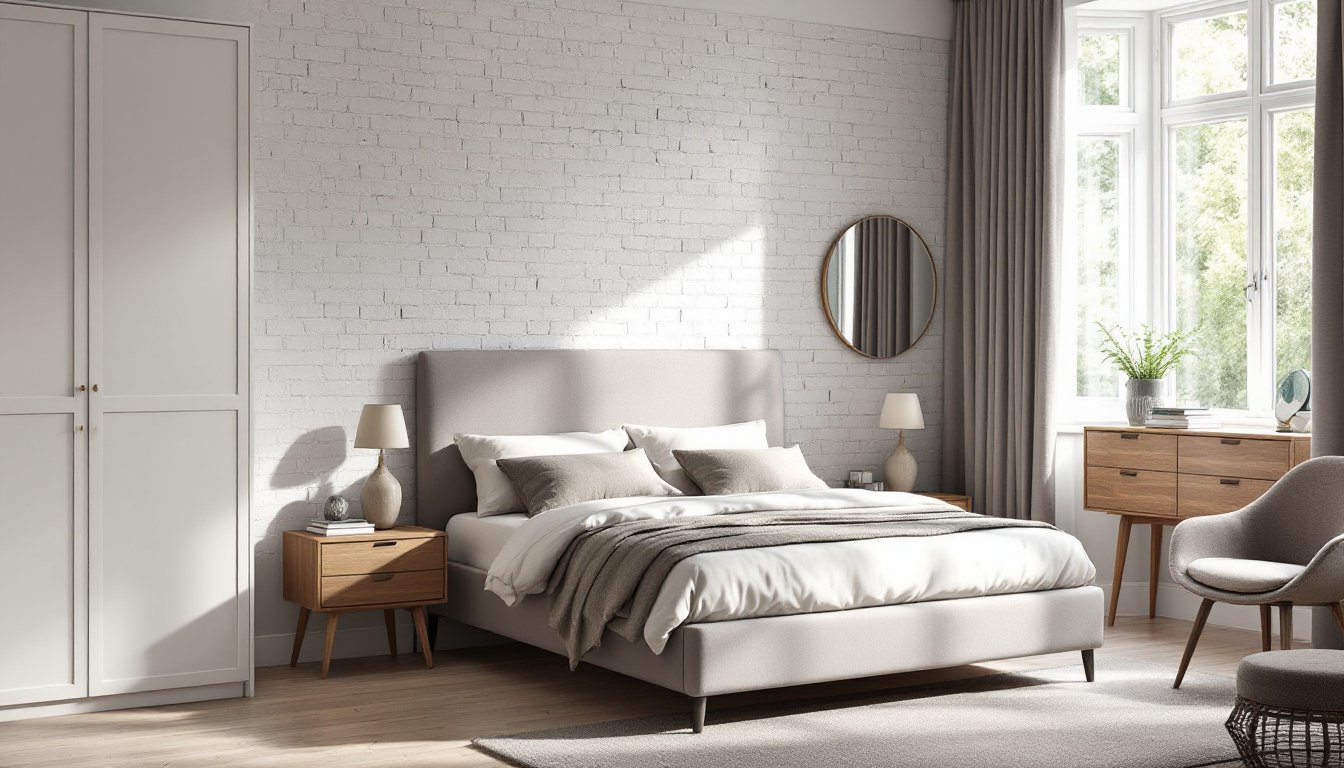
Creating a comfortable bedroom starts with choosing the right furniture. Whether someone is furnishing a new home, refreshing an outdated space, or simply upgrading their sleep setup, selecting quality bedroom furniture in the UK requires balancing style, functionality, and budget. The market offers everything from minimalist Scandinavian designs to classic Victorian pieces, and understanding the options available makes the process far less overwhelming. This guide walks through the best bedroom furniture choices available in 2026, helping anyone find pieces that transform their bedroom into a restful, stylish retreat.
Key Takeaways
- Choosing quality bedroom furniture in the UK requires balancing style, functionality, and budget while considering room dimensions, materials, and storage needs to maximize comfort and space efficiency.
- Invest the bulk of your bedroom furniture budget in a quality bed frame and mattress—the foundation of comfort—with standard UK sizes ranging from single (90 × 190 cm) to super king (180 × 200 cm).
- Fitted wardrobes maximize awkward spaces in period properties and increase home value (£800–£3,000+), while modular or freestanding options offer flexibility at lower costs (£300–£1,500) for renters and modern homes.
- Select nightstands matching your mattress height and materials that complement your bedroom’s style, with drawer-style options hiding clutter and open shelves creating a lighter, minimalist aesthetic.
- Solid wood furniture costs more but lasts decades and handles repairs well, while engineered wood and MDF offer budget-friendly alternatives, though they may not withstand as much long-term wear.
- Complete your bedroom with one or two accent pieces—such as a reading chair or bench—to create visual interest and functionality without overwhelming the room’s sense of calm and relaxation.
Understanding UK Bedroom Furniture Styles and Options
UK bedroom furniture trends lean heavily toward versatility and space efficiency, especially in smaller homes where every piece must earn its place. Contemporary designs dominate high street retailers, blending clean lines with practical storage. Mid-century modern remains popular, those tapered legs and warm wood tones never go out of style, while traditional oak and pine pieces appeal to those favoring classic aesthetics.
Before buying, consider the bedroom’s dimensions and light. A heavy oak wardrobe works beautifully in a spacious master bedroom with high ceilings but overwhelms a compact single room. Measure doorways and hallways carefully: fitted wardrobes offer custom sizing but cost more upfront, while freestanding pieces offer flexibility if someone moves house.
Material choice matters too. Solid wood (oak, pine, beech) costs more but lasts decades and handles repairs well. Engineered wood and MDF perform admirably at lower price points but may not withstand as much wear. Upholstered beds in linen or leather add softness underfoot and absorb room sound, a genuine benefit in terraced or semi-detached homes where noise travels.
Bed Frames and Mattresses: Choosing the Right Foundation
A quality bed frame and mattress form the foundation of bedroom comfort and deserve the bulk of any furniture budget. UK bed sizes follow standard dimensions: single (90 × 190 cm), double (135 × 190 cm), king (150 × 200 cm), and super king (180 × 200 cm). The frame style affects both aesthetics and function.
Platform beds suit modern interiors and offer built-in storage underneath, invaluable in smaller homes. Upholstered frames in grey linen or soft velvet add softness and accommodate a variety of décor styles. Metal frames remain popular for minimalist spaces and offer excellent durability. Wooden frames in natural or painted finishes complement traditional and contemporary schemes equally well.
Mattress selection is deeply personal but shouldn’t be rushed. Memory foam molds to the body and suits side sleepers: open-coil springs provide firmer support for back sleepers: hybrid mattresses combine springs and foam. UK mattresses carry depth ratings of 20 cm to 30 cm, taller isn’t always better, but proper thickness prevents bottoming out. Always lie on mattresses in-store for at least five minutes: online reviews help, but personal testing beats guesswork every time. Budget ranges from £200 for basic options to £1,500+ for luxury models.
Storage Solutions and Wardrobes
Adequate storage separates a functional bedroom from a cluttered one. Fitted wardrobes maximize space in awkward alcoves and sloped ceilings, common in UK period properties. They’re built to measure and cost £800–£3,000+ depending on size and finish, but they increase home value and eliminate wasted corner space. Modular systems like PAX or similar off-the-shelf options offer flexibility at lower cost (typically £300–£1,500) and relocate if needed.
Freestanding wardrobes work well in rental properties and modern homes where fitted solutions aren’t practical. A quality two-door wardrobe occupies minimal floor space while storing several seasons of clothing. Corner wardrobes maximize otherwise dead space: but, accessing the back corners requires careful planning.
Chests of drawers provide vertical storage without taking up extra floor space. Deep drawers suit bulky knitwear and bedding: shallow drawers work better for socks, underwear, and jewelry. Look for solid bases and soft-close mechanisms, these cost more initially but prevent drawer sag and damage over time. Under-bed storage boxes (typically 20–30 cm deep) suit guest rooms and studio flats where floor space is limited: but, they gather dust more easily than wardrobes.
Additional Furniture to Complete Your Bedroom
Nightstands and Bedside Tables
Nightstands serve practical and aesthetic roles. A simple rule: pick a height matching the mattress top, so someone can comfortably reach a lamp or phone without sitting up. Narrow tables (around 40 cm wide) suit small bedrooms and fit snugly between bed and wall. Wider options (50–60 cm) accommodate a lamp, phone, water glass, and book stack without clutter.
Drawer-style nightstands hide bedside clutter: open shelves look lighter visually and suit minimalist spaces. Materials range from solid wood (oak, walnut) to painted finishes, metal, or glass. Matching pairs feel traditional and coordinated: mismatched tables work brilliantly in contemporary or eclectic schemes.
Dressers and Accent Pieces
Dressers pull double duty: storage and a surface for a mirror, lamp, or décor. A tall dresser (around 130 cm high) offers ample drawers without consuming extra floor space. Wider, shorter versions (around 80 cm high) work better as accent pieces under a wall-mounted mirror.
Accent pieces like a bench at the foot of the bed, a reading chair in a corner, or a small desk create functionality and visual interest. These don’t require significant budget, a vintage bench from a car boot sale or a new fabric chair from a high street retailer adds character. Keep accent pieces to one or two pieces maximum: too many overwhelm a bedroom’s sense of calm.
Conclusion
Building a bedroom that’s both beautiful and functional comes down to thoughtful choices about bed quality, smart storage, and complementary pieces that reflect personal style. Start with a solid frame and mattress, invest in wardrobes or fitted storage that suits the room’s layout, then add nightstands and accent pieces that tie the space together. Taking time to measure, consider materials, and test pieces before purchasing prevents costly mistakes and ensures satisfaction for years to come. The right bedroom furniture transforms a simple room into a sanctuary, a worthwhile investment in daily comfort and rest.