
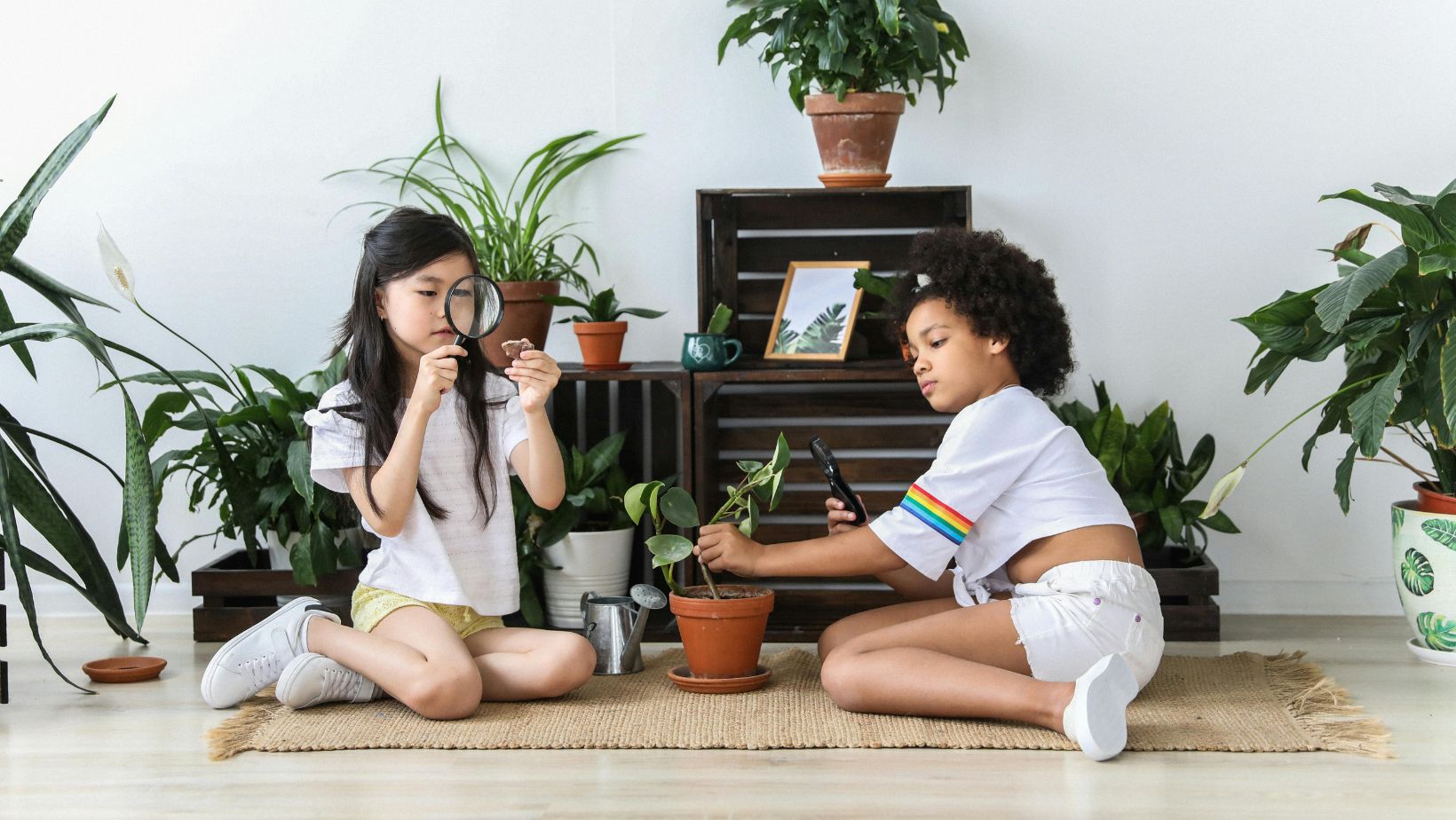
Sustainable living is often talked about in terms of big lifestyle shifts, but in reality, it begins with something much simpler. It starts with the choices you make every time you bring an item into your home. From the food you grow to the tools you use, those everyday decisions shape your environmental impact far more than sweeping resolutions or short-term habits. For readers who value craftsmanship, nature-inspired design, and intentional living, understanding what enters your home is the foundation of a genuinely sustainable lifestyle.
Below are the key reasons why those choices matter and how they influence both the planet and your own well-being.
1. Your Home Defines Most of Your Environmental Footprint
The most meaningful sustainability choices happen long before something becomes waste. They begin at the moment of purchase. Whether it is reusable containers, natural materials, or high-quality gardening tools that support sustainability, the items you choose shape how much you consume and discard over time.
A home filled with durable, responsibly made goods creates less waste and requires fewer replacements. This reduces long-term environmental impact far more effectively than occasional recycling or composting. When you choose wisely at the start, you avoid the downstream effects of cheap, disposable items that quickly end up in landfills.
2. Healthier Materials Support a Healthier Home
Many modern household goods are made using plastics, synthetic dyes, chemical adhesives, or harsh finishes that bring hidden toxins into your living space. These substances can slowly release chemicals into your indoor air, settling into dust and onto surfaces you touch every day.
By choosing natural materials wood, stone, metal, glass, and plant fibers, you create a healthier environment for yourself and your family. Clean air, fewer irritants, and minimal chemical exposure support long-term wellness. When the products you use align with nature rather than fight against it, your home becomes a place where you can breathe fully and live comfortably.
3. Durable Items Reduce Waste and Save Money Over Time
Sustainable living is often misrepresented as expensive, when in reality, durability is one of the most budget-friendly principles you can follow. High-quality tools, thoughtfully made home goods, and long-lasting materials cost more upfront but save money over their lifetime.
Think about the difference between a flimsy plastic tool and a well-crafted metal version, or between fast furniture and a solid wood piece built to last decades. Durable items:
- Reduce the need for replacements
- Keep waste out of landfills
- Lower long-term financial costs
- Cut down on the constant cycle of decluttering and re-buying
Intentional purchases shift you away from throwaway culture and toward items that age with you, not against you.
4. Your Choices Shape the Supply Chains You Support
Every purchase sends a message about the type of world you want to participate in. When you prioritize sustainable products, eco-conscious materials, small-batch artisans, and ethical manufacturing, you support supply chains that care about longevity, transparency, and craftsmanship.
Choosing well-made, responsibly sourced home goods:
- Encourages companies to produce higher-quality, lower-impact options
- Supports fair labor and ethical production
- Reduces reliance on harmful manufacturing practices
Your home becomes a reflection of the values you want to amplify in the world.
5. You Reduce Hidden Environmental Costs From the Start
The environmental impact of a product doesn’t begin when it enters your home; it begins long before, during extraction, manufacturing, and transportation. Items made with heavy synthetics, non-renewable resources, or chemical processes often create large carbon footprints before you ever unpack them.
Choosing sustainable, natural, recyclable, or upcycled materials helps minimize these hidden costs. By selecting goods that align with regenerative and ethical practices, you reduce your connection to pollution-heavy systems that damage soil, water, and air quality.
6. Sustainable Items Support Better Everyday Habits
Your environment shapes your behavior, almost automatically. A home filled with functional, sustainable tools makes eco-friendly habits easier and more intuitive. For example:
- If you keep high-quality reusable containers, you naturally reduce single-use waste.
- If your cleaning products are plant-based, your home stays healthier without effort.
- If your kitchen is stocked with simple, whole-food staples, you cook more intentionally.
- If sustainable gardening tools are nearby, you’re more likely to plant, compost, and grow.
Your home becomes a gentle guide, nudging you toward habits that are better for you and the planet.
7. A Clutter-Free Home Reduces Consumption
Minimalism is not about stark spaces; it is about intentional living that shifts your focus to what truly matters. When you intentionally choose what enters your home, you naturally avoid clutter, which has several sustainability benefits:
- You buy less but buy better.
- You appreciate what you have rather than constantly seeking replacements.
- You reduce the urge to impulse-buy items that serve no real purpose.
Clutter often comes from excess consumption. A curated home reflects mindful living, which organically reduces waste.
8. Sustainable Choices Strengthen Your Connection to Nature
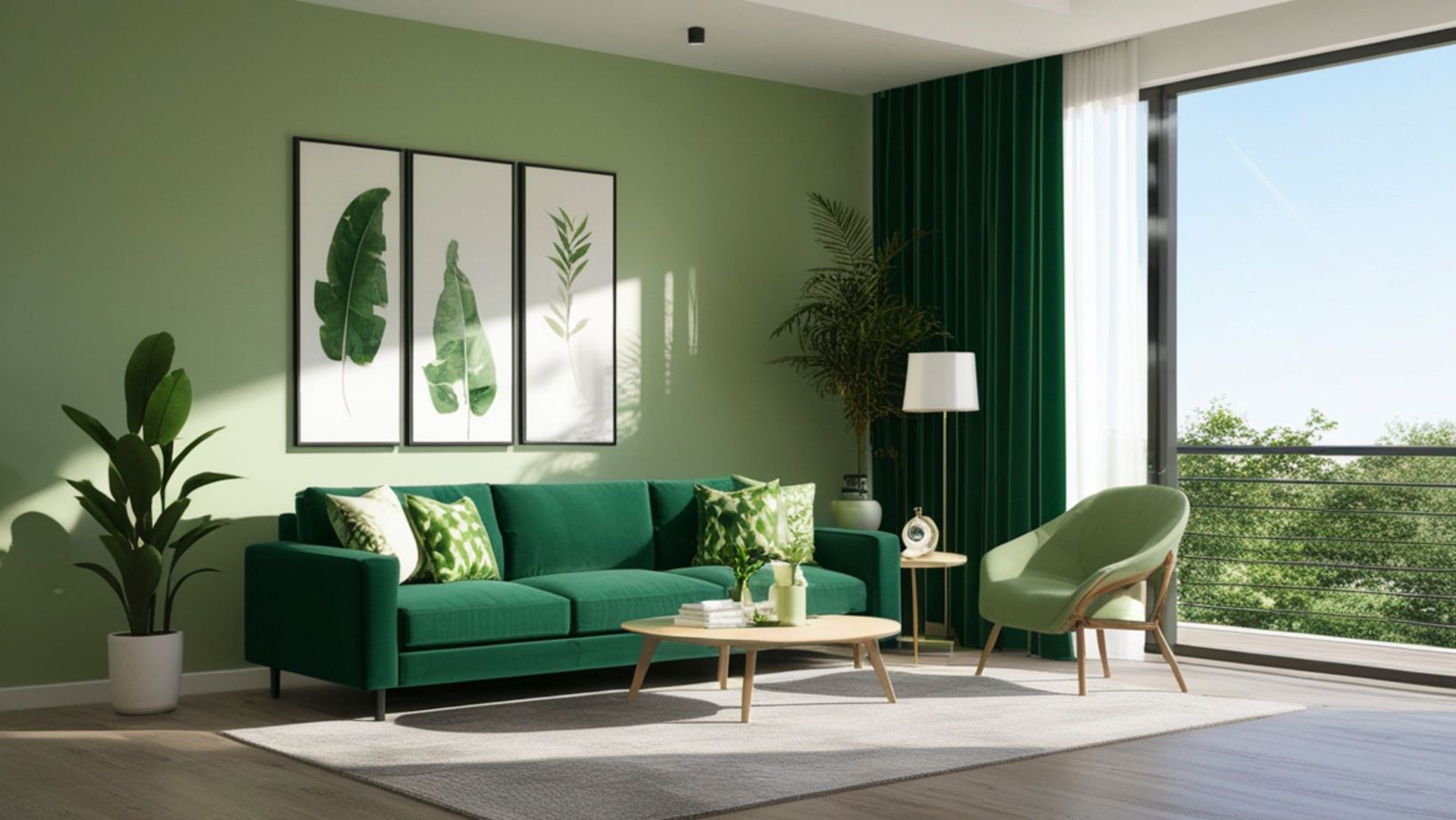
Bringing natural materials and earth-friendly items into your home does more than create a beautiful space. It nurtures a deeper connection to the environment. Biophilic design, which focuses on weaving nature into everyday living spaces, has become a practical way to achieve this. Simple choices like adding indoor plants, using organic textures, or letting in more natural light help you feel more grounded and present.
Houseplants, in particular, are one of the easiest ways to strengthen your bond with nature. They improve air quality, soften the feel of a room, and reconnect you to natural rhythms through small daily habits like watering and pruning. Many people who start with a few indoor plants eventually explore more hands-on growing, from countertop herb gardens to microgreens. This is often where brands such as Natural Yield, known for microgreen and seed starting trays, naturally become part of the home environment for people who want to grow more of their own food.
This awareness tends to ripple outward. You begin to pay attention to craftsmanship, textures, and the origins of raw materials. It often leads to other nature-centered habits such as gardening, foraging, cooking from scratch, composting, and decorating with materials that feel alive. A home rooted in nature fosters a mindset that is gentler, slower, and more attuned to the world around you, which is at the heart of sustainable living.
9. Your Home Sets an Example for the People Around You
Sustainable living is contagious. When friends, children, guests, or family members experience your intentional space, it influences how they think about their own habits and purchases. The small decisions you make, choosing natural materials, reducing waste, and opting for durable items, create a ripple effect that extends far beyond your home.
Your space becomes a quiet educator, showing that sustainable living is both practical and deeply rewarding.