
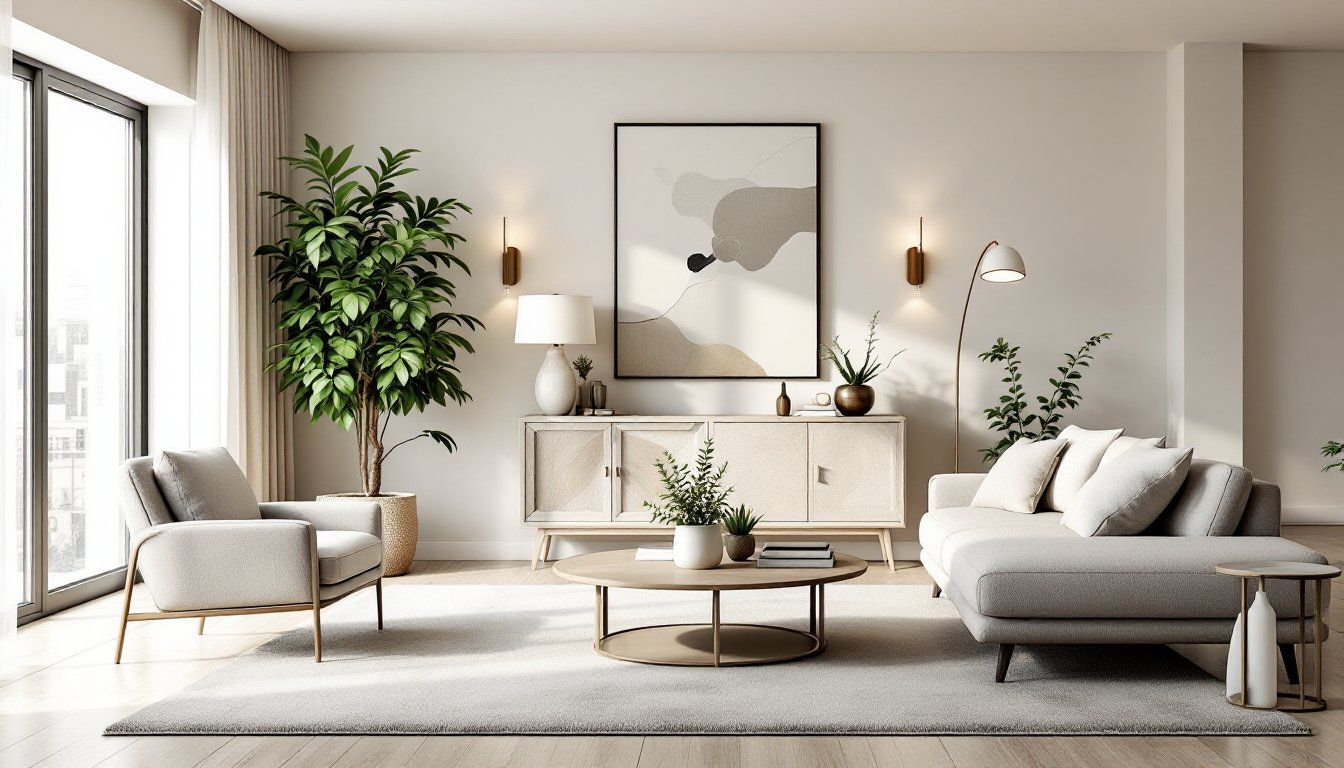
A well-arranged living room is the foundation of any comfortable home, yet many people struggle to arrange their furniture effectively. Whether the room feels cramped, chaotic, or uninviting, the problem often comes down to layout strategy rather than budget or style. The right furniture arrangement maximizes usable space, improves traffic flow, and creates visual balance, without requiring a designer’s eye or expensive renovations. This guide walks through practical furniture arrangement principles, popular patterns that work, and actionable tips for turning any living room into an inviting gathering space. By the end, readers will have the confidence to rearrange their own furniture and know exactly what to measure, assess, and consider before making changes.
Key Takeaways
- Accurate room measurements, traffic flow assessment, and identification of fixed anchors (doorways, windows, outlets) are essential before arranging any living room furniture.
- Popular living room furniture arrangement patterns—conversation, floating, media-forward, and L-shaped—each serve different purposes and room sizes, so choose based on your space and how you actually use it.
- Create visual balance by anchoring furniture around a focal point (fireplace, window, or accent wall) and distributing visual weight evenly across the room to avoid a lopsided layout.
- Follow scale guidelines: sofas should be 32–36 inches deep for narrow rooms, coffee tables positioned 14–18 inches from the sofa, and furniture filling 50–60% of usable floor area to leave breathing room.
- Layer lighting (ambient, task, and accent), add throw pillows and textured decor, and place a appropriately-sized rug under your seating area to complete your living room furniture setting with comfort and cohesion.
- Test your arrangement by stepping back and taking photos to catch imbalances, and don’t hesitate to rearrange seasonally when the room stops feeling right for your household’s needs.
Understanding Your Space and Layout Options
Assessing Room Dimensions and Traffic Flow
Before moving a single piece of furniture, measure the room accurately. Grab a tape measure and note the length, width, and ceiling height. Mark doorways, windows, vents, and electrical outlets on a rough sketch, these are fixed anchors that dictate what can go where. Check which walls are exterior (often colder near windows) and which are interior. This intel prevents common mistakes like pushing a sofa against a heat vent or blocking an outlet you’ll need later.
Traffic flow is how people naturally move through the room. Walk from the main entrance to other exits, noting the path. Furniture should not block these routes: instead, it should guide movement gently. A narrow hallway? Keep the center clear. Large open room? You have flexibility but still need logical circulation.
Consider the room’s purpose too. Is it a media hub, a conversation zone, a reading nook, or a multipurpose space? A small living room that doubles as a home office needs different arrangement than a dedicated family gathering spot. Once you know the room’s bones and purpose, layout choices become much clearer.
Popular Furniture Arrangement Patterns
Several proven layouts work for most living rooms. The conversation arrangement clusters seating, sofa, chairs, and ottomans, to face each other, typically around a coffee table or media console. This works best in rooms where people gather to talk, rather than watch TV for hours. It encourages interaction and fits smaller spaces well.
The floating arrangement places furniture away from walls, creating an “island” of seating in the center of the room. This works beautifully in large, open spaces and can define a living area within a bigger room. But, it requires enough square footage that the room doesn’t feel cramped. A good rule: allow at least 2 to 3 feet of clearance on all sides between the furniture grouping and walls.
The media-forward layout organizes seating around a TV or entertainment center, with the sofa facing the screen and secondary seating angled nearby. This is practical for families who watch together but can feel one-directional if that’s the only activity. Many people blend this with a secondary conversation corner to add flexibility.
The L-shaped arrangement uses an sectional or two perpendicular sofas to create an L. It maximizes seating, anchors a corner, and provides enough room for a coffee table and side tables. This pattern works in both small and large rooms and is one of the most versatile options for modern living.
Creating a Focal Point and Balancing Your Room
Every room needs a focal point, the element that naturally draws the eye. This might be a fireplace, large window with a view, entertainment console, or an accent wall. Arrange furniture to face or frame this anchor. If your room lacks a natural focal point, create one with a gallery wall, mirror, or statement piece of art.
Balance is about visual weight distribution. A heavy, dark sectional on one side needs visual balance on the opposite side, perhaps a console table with decor, a tall plant, or a pair of accent chairs. Avoid cramming all the furniture into one half of the room, which makes it feel lopsided.
Proportions matter too. A small loveseat in a large living room looks lost: a massive sectional in a 12×14-foot room dominates. Aim for furniture that fills roughly 50-60% of the usable floor area, leaving enough breathing room for movement. If you’re unsure, arrange furniture, step back, and take a photo. Distance reveals imbalance the eye sometimes misses up close.
Layer lighting to support the focal point. A pendant over a seating area, floor lamp beside a reading chair, and wall sconces flanking a fireplace create visual interest and functional zones. Lighting does the heavy lifting in tying an arrangement together.
Essential Pieces and Scale Considerations
Start with the big anchor: a sofa or sectional. Measure the doorway and staircase width to ensure it fits, many people buy a beautiful sofa only to discover it won’t turn the corner. Check depth too: if the room is narrow, a 32-36 inch deep sofa might be better than a oversized 40+ inch version.
Add seating next: chairs, ottomans, or a second sofa. The goal is enough seating for regular occupants plus one or two guests without overcrowding. A living room for four people needs at least three seating surfaces: for six, aim for four or more.
Tables serve both function and proportion. A coffee table should be 12-18 inches lower than the sofa seat and positioned 14-18 inches away from the sofa, close enough to rest a drink but not trip a shin. Side tables and end tables hold lamps and decor: they also break up long sightlines. A console table behind a floating sofa anchors an arrangement and adds storage.
Scale everything to the room. In a small living room, a single large armchair works better than two spindly ones. In a spacious room, a pair of smaller chairs might look orphaned. Oversized poufs and ottomans are practical, they serve as extra seating, footrests, or storage, and feel intentional rather than filling a gap.
Styling Tips for Comfort and Visual Appeal
Once furniture is in place, styling elevates the arrangement. Throw pillows and blankets add color, texture, and comfort, place two or three on a sofa, one on accent chairs. Layer textures: linen, cotton, velvet, and knit create visual interest and invite touch.
Art and decor anchor the arrangement. A large piece above a sofa (48 inches wide or larger works well) or over a console table draws the eye and frames the seating. Group smaller pieces in odd numbers, three or five items create balance better than two or four. Leave negative space: every surface doesn’t need decor.
Rugs define zones and add softness underfoot. In a living room, a rug should be large enough that at least the front legs of the sofa and chairs land on it, usually a 5×8 or 6×9 foot rug minimum for most living rooms. This grounds the arrangement and makes the space feel intentional.
Green plants bring life and soften hard lines. A tall plant in a corner, small trailing plant on a shelf, or plant stand beside a chair adds organic shape and improves air quality. They’re forgiving if you move the room around later.
Lighting layers are crucial. Ambient light (ceiling fixture or natural light), task light (reading lamp beside a chair), and accent light (wall sconce or LED strip behind a console) create depth and flexibility. Dimmer switches let occupants adjust mood throughout the day.
Conclusion
A thoughtful living room furniture arrangement doesn’t require a major budget or design degree, just measurement, honest assessment of space and traffic flow, and a willingness to experiment. Start with a solid anchor piece, build around a clear focal point, and check proportions by stepping back regularly. Remember that the best arrangement is the one the household actually uses and enjoys. Don’t be afraid to rearrange seasonally or whenever the room stops feeling right. With these principles in mind, anyone can transform a cluttered or awkward living room into a functional, welcoming gathering space.