
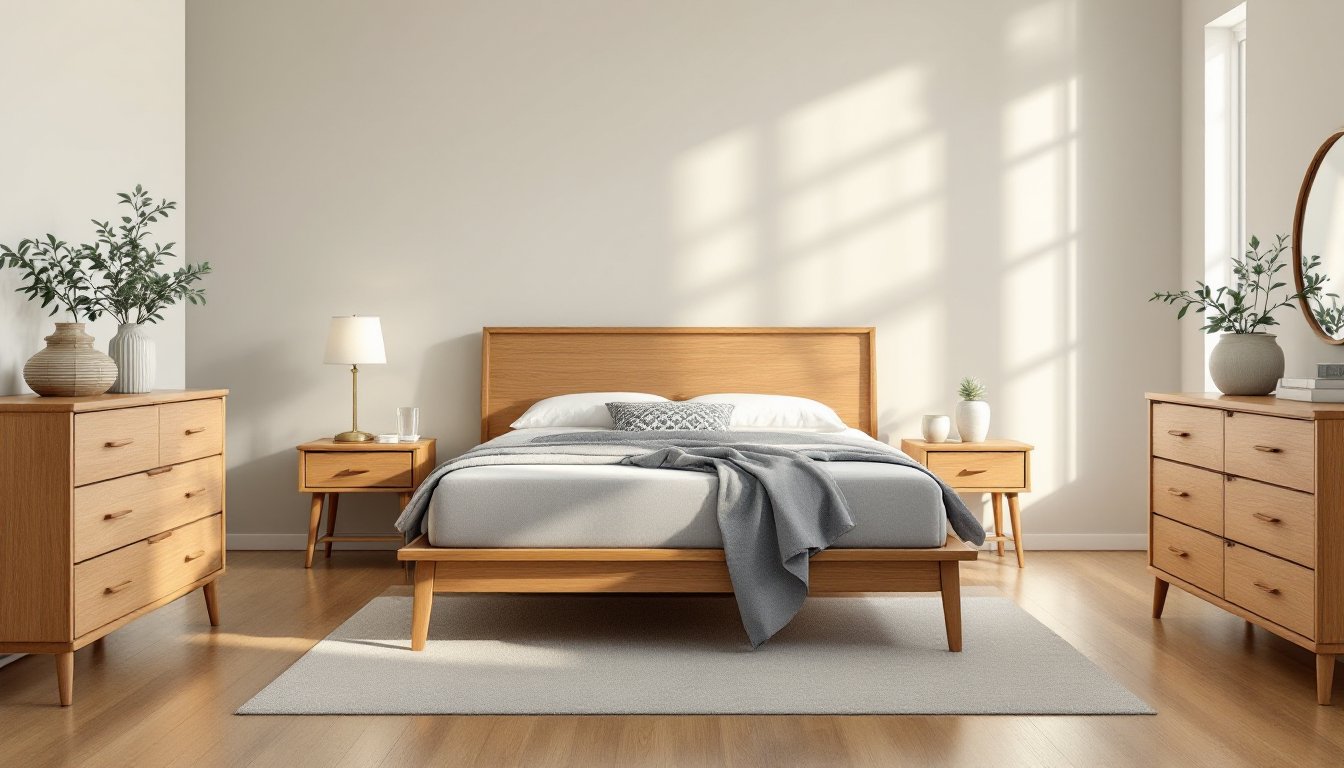
A bedroom is more than just a place to sleep, it’s a personal retreat where quality furniture sets the tone for comfort and rest. Whether someone is furnishing a bedroom from scratch or refreshing an aging space, selecting the right bedroom furniture can feel overwhelming. With countless styles, materials, and price points available, understanding what separates solid, durable pieces from fast-fashion alternatives is essential. This guide cuts through the noise, offering straightforward reviews and practical advice for choosing bedroom furniture that balances durability, aesthetics, and real-world functionality. Readers will learn what to prioritize when evaluating beds, dressers, nightstands, and other key pieces, so they can invest confidently in pieces that actually last.
Key Takeaways
- Quality bedroom furniture uses solid hardwood and proper joinery techniques like dovetail joints, which outlast cheap particleboard and stapled alternatives by decades.
- Prioritize investing in a durable bed frame and high-quality mattress first, as these are the most critical elements—look for frames with 5/8-inch slats spaced 3 inches apart to prevent sagging.
- When selecting bedroom furniture, measure your space carefully to ensure pieces fit through doorways and don’t block windows or outlets, then build your collection gradually rather than buying everything at once.
- Dresser construction matters for longevity—check for full-extension ball-bearing drawer slides, plywood or hardwood drawer boxes, and sealed or lacquered top finishes that resist moisture and staining.
- Bedroom furniture reviews on retailer websites reveal real durability issues like assembly difficulty and finish problems, making user feedback from long-term owners more valuable than aggregator ratings.
- Coordinate bedroom furniture style through complementary wood tones, color palettes, and line weights rather than following trends, and choose finishes that suit your room’s natural lighting to avoid dust visibility and aesthetic mismatches.
What Makes Quality Bedroom Furniture Worth Your Investment
Good bedroom furniture isn’t just about looking nice in a photo. It’s built to handle years of use without wobbling, splitting, or falling apart at the joints.
Quality starts with materials. Solid wood, hardwood like oak, cherry, or walnut, will outlast particleboard or medium-density fiberboard (MDF) by decades. That said, well-constructed engineered wood with proper bracing can perform adequately at a lower price point, especially for non-load-bearing pieces like nightstands. The key is understanding where durability matters most: bed frames take the most strain and deserve solid construction, while a dresser top that gets a lamp and a few folded shirts can work fine with quality veneered plywood underneath.
Joinery is where cheap furniture fails fast. Dovetail joints and mortise-and-tenon construction hold up to movement and stress. Stapled or glued-only joints start separating within a year or two. Check underneath drawers and along corners: if you see heavy stapling and no visible joinery, that piece won’t age well.
Finish quality matters too. A proper stain or paint job, applied in layers, resists moisture, dust, and daily wear. Furniture that feels sticky or rough to the touch, or shows finish chipping after a few months, wasn’t sealed right at the factory. Run a hand along edges and test drawers: smooth operation is a sign of attention to detail.
Finally, consider the warranty and return policy. Reputable makers stand behind their work with multi-year guarantees on frames and structural components. A generous return window (30 days minimum) signals confidence in the product.
Top Bedroom Furniture Categories and What to Look For
Bed Frames and Mattresses
The bed is the centerpiece of any bedroom, and the most important investment. A quality bed frame provides support and longevity: cheap frames flex, squeak, and can even collapse under normal weight after a couple of years.
Solid wood frames (hardwood or quality plywood slats) distribute weight evenly and resist sagging. Look for 5/8-inch or thicker slats spaced 3 inches or less apart. Wider gaps or thinner slats will cause a mattress to sag prematurely, ruining comfort and shortening mattress life. Metal frames work well too if they’re sturdy steel (not thin aluminum), they’re easy to move and assemble, though they can rattle if joints loosen.
Riser height matters for practical reasons. Standard frames sit 10 to 12 inches off the ground, making it easy to clean underneath and access storage. Platform beds sit lower (sometimes just 6 inches), which looks sleek but makes sweeping difficult and can make getting in and out harder for older adults or those with mobility issues.
Mattresses deserve their own research. The firmness (soft, medium, firm) and support type (innerspring, hybrid, memory foam, latex) depend entirely on personal preference and body type. A firmer mattress works well for back sleepers and heavier bodies: side sleepers often prefer memory foam or hybrid for pressure relief. Innerspring mattresses tend to be more durable long-term (10+ years) but can develop squeaks. Memory foam lasts 7–10 years. Buy from makers with clear trial periods, at least 30 days, preferably longer. Sleep is too personal to buy blind.
Dressers and Storage Solutions
Dressers handle daily wear. Drawers get pulled open and slammed thousands of times over a decade, so solid construction is critical. Check the drawer boxes, should be plywood or hardwood, not thin MDF. Look for full-extension slides or ball-bearing glides: they let drawers open nearly all the way out without tipping and feel smooth even after years of use. Cheap plastic or wooden slides bind and stick.
Drawer depth varies by use. A 16-inch deep drawer works for socks and underwear. 18–20 inches is better for folded shirts and heavier items. If someone stores bedding or seasonal clothing, deeper drawers (20+ inches) save space.
Top surface finish is critical. A dresser top endures moisture from water glasses, perfume, and humidity. Lacquered or sealed surfaces resist staining: unsealed wood darkens and marks easily. If considering a natural wood dresser with an unfinished top, be willing to apply a clear polyurethane coat yourself for protection.
Vertical storage (tall dressers, armoires, or wardrobe cabinets) maximizes small bedrooms. Look for tipping hazard ratings, especially in homes with kids or pets. Dressers over 30 inches tall should be wall-anchored with L-brackets. This is both a safety and durability measure, an unsecured tall piece can lean slightly over months, stressing joints.
How to Choose Furniture That Fits Your Style and Space
Bedroom furniture should reflect the inhabitant’s taste while working functionally in the actual room.
Start with measurements. Knowing the bedroom’s floor plan, door swing, window locations, outlet positions, prevents buying a gorgeous dresser that won’t fit through the doorway or blocks a window. Measure wall lengths, ceiling height, and clearance around the bed. A queen mattress measures 60 inches wide by 80 inches long: a king is 76 by 80. Account for nightstands, footboards, or benches at the foot of the bed.
Style coherence matters more than following trends. A mix of pieces from different eras or design languages can work, but they need intentional connection, complementary wood tones, similar line weights, or a cohesive color palette. Cramming a sleek modern dresser next to farmhouse-style nightstands looks disjointed without a unifying element. Browse finished rooms, create a Pinterest board, or use photo galleries on furniture retailer sites to identify what appeals, then isolate the common threads.
Color and finish choice should consider the room’s lighting. A glossy finish looks different in bright morning sun versus a north-facing room with softer light. Darker finishes show dust and fingerprints more readily (true for black and deep browns). Light or whitewashed finishes feel airy but can feel sterile if overdone. Mid-tone naturals (honey oak, walnut) offer balance, warm but forgiving.
Budget realistically. A solid wood bed frame runs $300–$700: a decent mattress, $600–$1,500: a quality dresser with dovetail joints and full-extension drawers, $400–$900. It’s tempting to buy everything at once, but prioritize the bed and mattress first. A room can function with a dresser and two cardboard boxes of clothing: it can’t function well if the bed sags or the mattress causes back pain. Build the rest over time, choosing one well-made piece rather than five mediocre ones.
Finally, check reviews on the actual retailer’s site, not just aggregator sites. Look for comments about assembly difficulty, missing parts, or finish issues. Genuine user feedback (especially from people who’ve owned the piece for a year or more) reveals whether durability claims hold up in reality.
Conclusion
Choosing bedroom furniture is an investment in comfort and daily life. Prioritizing solid construction, proper joinery, and quality finishes pays dividends over years of use. By focusing on durability where it matters most, the bed and mattress, and making informed choices about style and space, anyone can build a bedroom that feels both personal and built to last. Start with the fundamentals, measure carefully, and trust that a thoughtfully chosen piece will outperform a dozen quick purchases.