
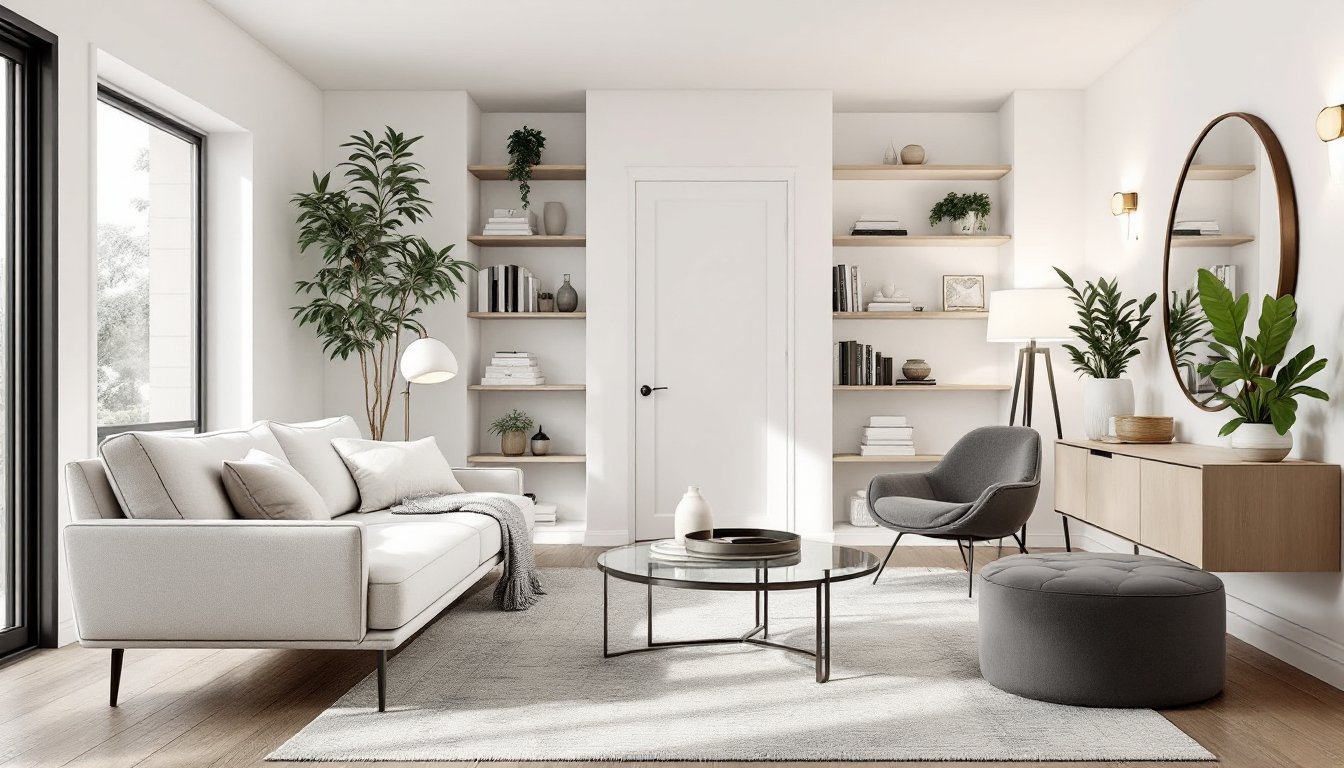
A cramped living room doesn’t have to feel like a storage closet. Smart furniture layout transforms tight spaces into rooms that breathe, function, and actually feel good to spend time in. The trick isn’t buying smaller furniture or leaving the room bare, it’s arranging what you have so traffic flows naturally, the eye rests comfortably, and every piece earns its place. This guide walks through practical, tested strategies for small living room furniture layout that work whether you’re in a 200-square-foot studio or a cozy 300-square-foot apartment. No designer fees, no guesswork, just straightforward tactics to reclaim your space.
Key Takeaways
- Measure your room’s dimensions and furniture pieces precisely before arranging anything, as small differences in sofa depth or placement directly impact how walkable and spacious your living room feels.
- Choose appropriately scaled furniture for small spaces—aim for sofas under 72 inches, compact coffee tables under 24-by-36 inches, and opt for lightweight accent chairs or floor cushions instead of oversized sectionals.
- Arrange seating in an L or U shape around a focal point with clear 18-to-24-inch traffic pathways, and pull sofas 12-18 inches from walls to create intentional spacing that encourages conversation.
- Maximize small living room storage by using vertical space with floor-to-ceiling shelving, wall-mounted cabinets, and multi-functional pieces like ottomans with hidden storage and nesting tables.
- Use area rugs, back-to-back furniture, and layered lighting (overhead, task, and accent lights) to define separate zones without walls, making open-plan spaces feel organized and purposeful.
- Position mirrors opposite windows and use slender floor lamps and wall sconces to amplify natural light and create the illusion of depth, while keeping wall colors and larger pieces light to maintain an airy feel.
Measure Your Room and Plan Your Layout First
Before moving a single piece, grab a tape measure and write down your room’s exact dimensions. Note the location of windows, doors, heat vents, and electrical outlets, these aren’t negotiable anchors. A rough sketch on paper (or a smartphone photo with measurements scrawled on it) takes five minutes and prevents frustration later.
Measure each furniture piece too: couch length and depth, chair width, coffee table height. Don’t estimate from memory. A 2-inch difference in sofa depth changes whether a foot traffic path feels walkable or claustrophobic. If you’re buying new furniture, bring these measurements to the store or use a measuring app to overlay pieces in your space.
Consider the sightline rule: a living room feels smaller when furniture blocks your view across the room. Try to position larger pieces (sofas, shelving) so they don’t cut the space visually in half. An L-shaped couch angled into a corner often opens sightlines better than a long sofa against one wall.
Choose Appropriately Scaled Furniture
This is where many people stumble. A full-size sectional designed for a living room in a suburban home will dominate a 12-by-14-foot apartment and leave nowhere to move. In small spaces, furniture proportions matter as much as the room itself.
For a sofa, aim for a 72-inch length or shorter, typically a loveseat or apartment-scale sofa. A deep, oversized sectional adds coziness in large rooms but eats square footage in small ones. If you want seating for multiple people, add a lightweight accent chair or floor cushions instead of trying to fit a giant L-shaped piece.
Coffee tables should be compact: 24-by-36 inches or smaller. Glass or open-frame tables (metal legs, minimal visual weight) feel less imposing than solid wood. Skip the coffee table entirely if you prefer, nesting tables or a single ottoman with a tray serves the function without permanent bulk.
Wall-mounted shelving, narrow console tables, and vertical bookcases replace the bulky furniture that eats floor space. A floating desk is far better than a traditional credenza if you need a work area.
Arrange Seating for Conversation and Flow
The furniture layout should support how people naturally move and sit together. In a small space, this means creating one clear seating zone rather than scattered clusters.
Position your sofa to face the TV or a focal point (fireplace, window view) without blocking the main doorway. If the door opens into the living room, angle seating slightly so people aren’t walking into the backs of heads. A sofa pulled just 12-18 inches from the wall (not flush against it) creates a subtle buffer and makes the room feel more intentional.
If you have multiple seating pieces, arrange them in an L or U shape around a central point, the coffee table, a rug, or an imaginary focal point. Chairs angled toward the sofa, not parallel to walls, encourage conversation and save visual space.
Traffic paths matter: leave a clear 18-to-24-inch pathway from doorways to other rooms. A tight squeeze past furniture makes the room feel cramped, even if the furniture isn’t technically taking up much space. Wide paths feel generous.
Use Vertical Storage and Multi-Functional Pieces
Small rooms are vertical opportunities disguised as floor-space problems. Use the wall space above furniture and along empty walls for storage and visual interest.
Floor-to-ceiling shelving (or tall bookcases against one wall) stores books, plants, and decor without eating floor square footage. Wall-mounted cabinets, floating shelves, and open shelving above a sofa add functionality and pull the eye upward. Keep lower shelves less cluttered than upper ones to avoid a packed, bottom-heavy feel.
Multi-functional furniture is a living room staple in small spaces. An ottoman with hidden storage doubles as a footrest, extra seating, and a place to stash blankets. A console table behind the sofa holds a lamp, plants, and a shallow drawer for remotes and coasters. A storage bench at the base of your seating area provides seating and hides items.
Fold-away desk chairs, nesting tables, and stackable stools tuck away when not in use. These pieces offer flexibility, you can pull out extra seating for guests without permanent bulk. A wall-mounted drop-leaf table works for dining or a work surface and folds flat when you need the floor space.
Define Zones Without Walls or Clutter
In an open-plan small living room, you might need a sleeping area, work space, and seating zone in one room. The trick is defining zones visually without walls, using furniture, rugs, and lighting as invisible boundaries.
A area rug anchors the seating zone. It doesn’t have to cover the entire living space, a rug just under the sofa and coffee table signals “this is the sitting area.” Choose a rug large enough that at least the front legs of furniture sit on it: too-small rugs make rooms feel choppy.
Back-to-back furniture (like a sofa facing the living space and a low shelving unit creating a visual break toward a bedroom or work area) subtly separates zones without a wall. Curtains or a sliding door on a track can create a temporary bedroom partition if you need privacy.
Lighting defines space too. A floor lamp in the seating zone, a desk lamp for the work area, and overhead light all signal different zones. This psychological separation helps the eye and brain process the small space as purposeful, not cramped.
Keep each zone clutter-free. A work area piled with papers and a seating zone covered in throw pillows and blankets blend into one overwhelming visual mess. Designate storage for each zone and stick to it.
Optimize Lighting and Visual Balance
Lighting transforms small rooms. Poor lighting makes spaces feel smaller and more enclosed: good lighting opens them up and sets mood.
Layer three types of light: overhead ambient light for general visibility, a floor lamp for task lighting near seating, and accent lighting (picture lights, under-shelf LEDs, or string lights) for warmth. Avoid a single overhead fixture, it creates harsh shadows and a one-note feel.
Floor lamps with slender bases take up less visual space than bulky table lamps. Wall sconces flanking a mirror or artwork use zero floor space and add brightness. A dimmable overhead light (on a dimmer switch) lets you adjust brightness based on the time of day and mood, a small tweak that dramatically affects how spacious the room feels.
Mirrors amplify light and create the illusion of depth. A large mirror opposite a window bounces natural light around the room. Even a small mirror on a bookshelf reflects light and tricks the eye.
Color balance matters too. Lighter wall colors, light-colored sofas, and minimal dark furniture keep things airy. One or two darker accent pieces (a charcoal chair, a dark wood shelving unit) add contrast and depth without overwhelming the space. Avoid too many patterns or competing colors, they chop up the visual space.
Conclusion
Small living room furniture layout is about purpose, not sacrifice. Measure first, choose right-sized pieces, arrange for flow, use vertical space, define zones, and light thoughtfully. These strategies work together, a well-measured room with scaled furniture, smart traffic paths, and good lighting feels spacious, functional, and genuinely pleasant. Start with one change, see how it shifts the room, and adjust from there. That’s how a cramped space becomes a place people actually want to be.