

West Michigan winters demand roofs that can take on snow, ice, and freezing wind without losing strength or leaking heat. The mix of heavy snowfalls and temperature swings can push any roofing system to its limit. A well-chosen roof not only protects a home but also makes winter maintenance easier and energy costs lower.
The best roofing materials for West Michigan balance strength, weather resistance, and long-term value to stand up to the harshest winter conditions. Homeowners weigh options like metal, asphalt, wood, slate, and synthetic products to find what fits both the climate and their budget. Each choice offers unique benefits, and understanding how they perform in local weather helps make smart decisions before the next storm hits.
Standing Seam Metal Roofing
Standing seam metal roofing performs well during West Michigan winters because of its durable design and weather resistance. The raised seams keep snow and water from seeping through the roof surface, which helps reduce leaks and ice buildup. Homeowners who need guidance on installation or maintenance can turn to Professional Roofing Solutions in Grand Rapids for expert service and advice.
Steel and aluminum are the most common materials for these roofs. Both handle freezing temperatures and heavy snow loads without warping or cracking. Properly installed panels also provide a smooth surface to allow snow to slide off more easily, which lowers stress on the structure.
A standing seam metal roof also offers good performance through seasonal temperature swings. Its concealed fasteners reduce exposure to moisture and minimize the chance of rust. As a result, this roofing type can last for decades with little upkeep, making it a dependable choice for Michigan homeowners facing long, cold winters.
Architectural Asphalt Shingles
Architectural asphalt shingles handle winter weather well across West Michigan’s cold, snowy climate. They use a thicker base than standard three-tab shingles, which helps them resist curling and cracking under ice and wind. The layered design also gives them a dimensional appearance that adds more visual appeal to a home.
These shingles tend to weigh more, so they hold tight during high winds. Their laminated structure helps block moisture that could leak into the roof deck. As a result, homeowners often notice fewer issues with leaks after heavy snow or melting periods.
Installation typically costs more than basic asphalt shingles, yet their strength often balances out the higher price over time. With proper attic ventilation and roof maintenance, architectural asphalt shingles can last decades. They provide a practical balance of durability, style, and long-term value that suits the region’s mix of snow, rain, and freeze-thaw cycles.
Wood Shake Shingles
Wood shake shingles give homes a classic and natural look that many West Michigan homeowners appreciate. They provide decent insulation and can handle moderate snow loads if installed correctly. Their textured surface also allows melted snow to run off more easily than flat materials.
However, moisture presents a major concern in Michigan’s damp climate. Without proper treatment, wood can absorb water, which may cause rot, warping, or mold. Therefore, frequent inspections and maintenance protect the shingles and extend their life span.
Fire resistance also ranks lower compared to materials like metal or asphalt. Treated wood shakes improve this trait but still need extra attention to remain safe and stable. For property owners who value the traditional appearance of wood, treated cedar shakes can perform well, provided the homeowner commits to regular care and upkeep.
Slate Roofing
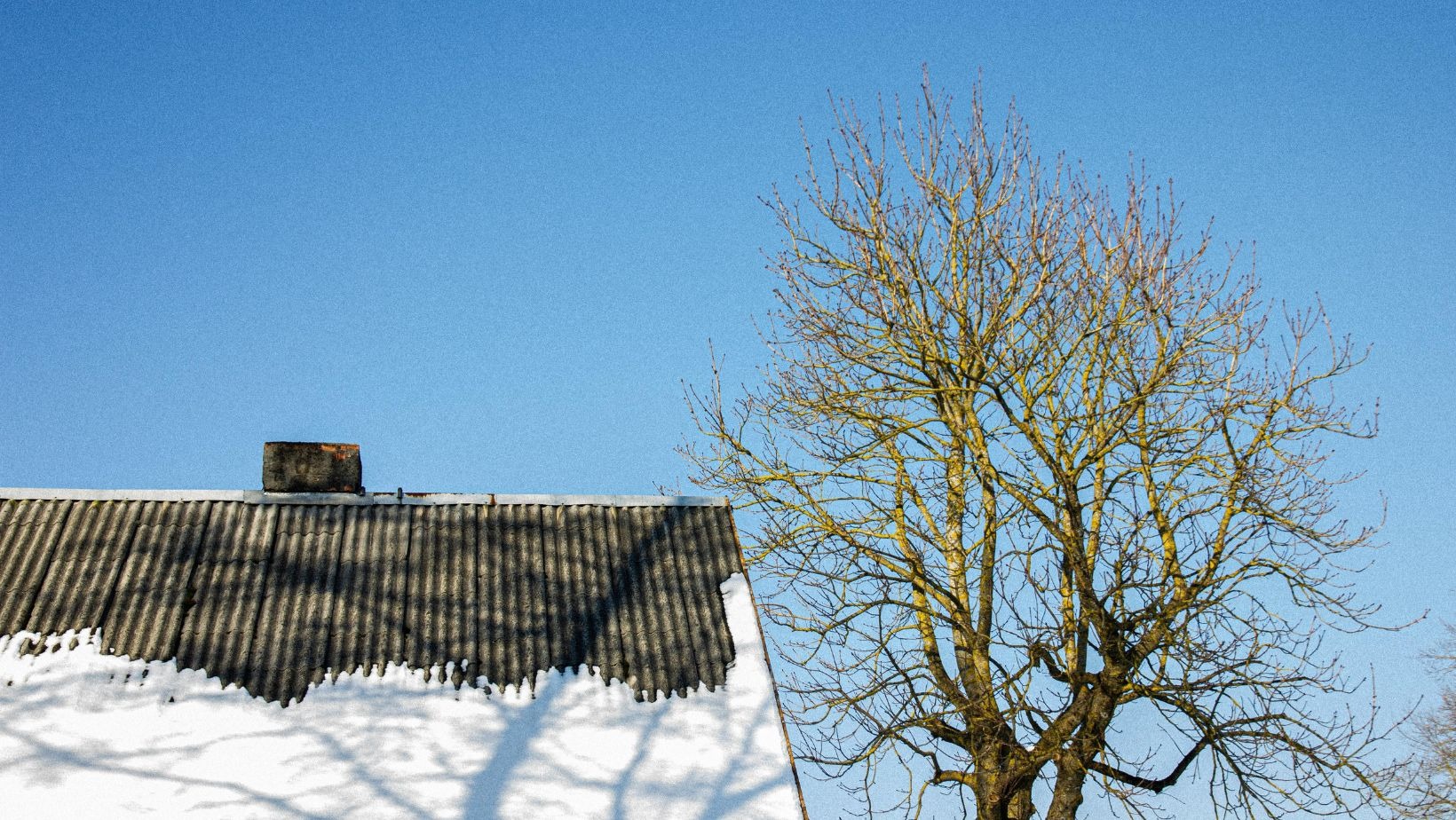
Slate roofs perform well in Michigan’s cold, snowy climate. The stone material resists moisture, heavy snow, and ice, which helps prevent leaks and surface damage. Because slate does not rust or warp, it can handle years of freeze-thaw cycles without losing strength.
This material also supports the structure beneath it by shedding snow rather than holding large drifts. Its dense surface stops water from soaking in, so ice dams form less often compared to some other types of roofs. As a result, maintenance needs stay low if the installation is done correctly.
Homeowners often value slate for its long lifespan and natural appearance. It costs more at first, but it can last for many decades with proper care. For those in West Michigan who want a roof that withstands harsh winters while maintaining a classic look, slate offers a dependable and durable choice.
Synthetic Rubber Roofing
Synthetic rubber roofing, often called EPDM, offers strong protection against harsh winter weather. It resists cracking and shrinking in freezing temperatures, which helps prevent leaks. The material stays flexible even after years of snow and ice exposure.
This roofing type also handles moisture well. West Michigan roofs face cycles of snow, melt, and refreeze, and EPDM forms a watertight seal that keeps moisture from seeping underneath. Its dark color can also help absorb sunlight, which may slightly reduce snow buildup.
Installation usually fits best on flat or low-sloped roofs. Property owners often choose it for garages, additions, or commercial buildings that face heavy moisture or freeze-thaw cycles. Maintenance stays simple, focusing mainly on clearing debris and checking seams. Homeowners exploring Flat roof replacement options can benefit from systems designed to handle moisture-heavy conditions year-round.
Overall, synthetic rubber roofing offers steady performance through tough winters. It balances durability with low maintenance, making it a sound choice for those who need long-term winter protection.
Conclusion
Metal roofs perform best in West Michigan’s snowy climate because they shed snow easily and resist ice buildup. Their long lifespan and low maintenance needs make them a practical choice for homes exposed to heavy winter weather.
Architectural asphalt shingles also hold up well. They cost less than metal yet still manage strong wind and cold resistance, making them a smart balance between price and performance.
Homeowners should match material choice with budget and maintenance preferences. Each roof type has trade-offs, but both metal and high-quality asphalt handle West Michigan’s winters dependably and help protect homes for years.