
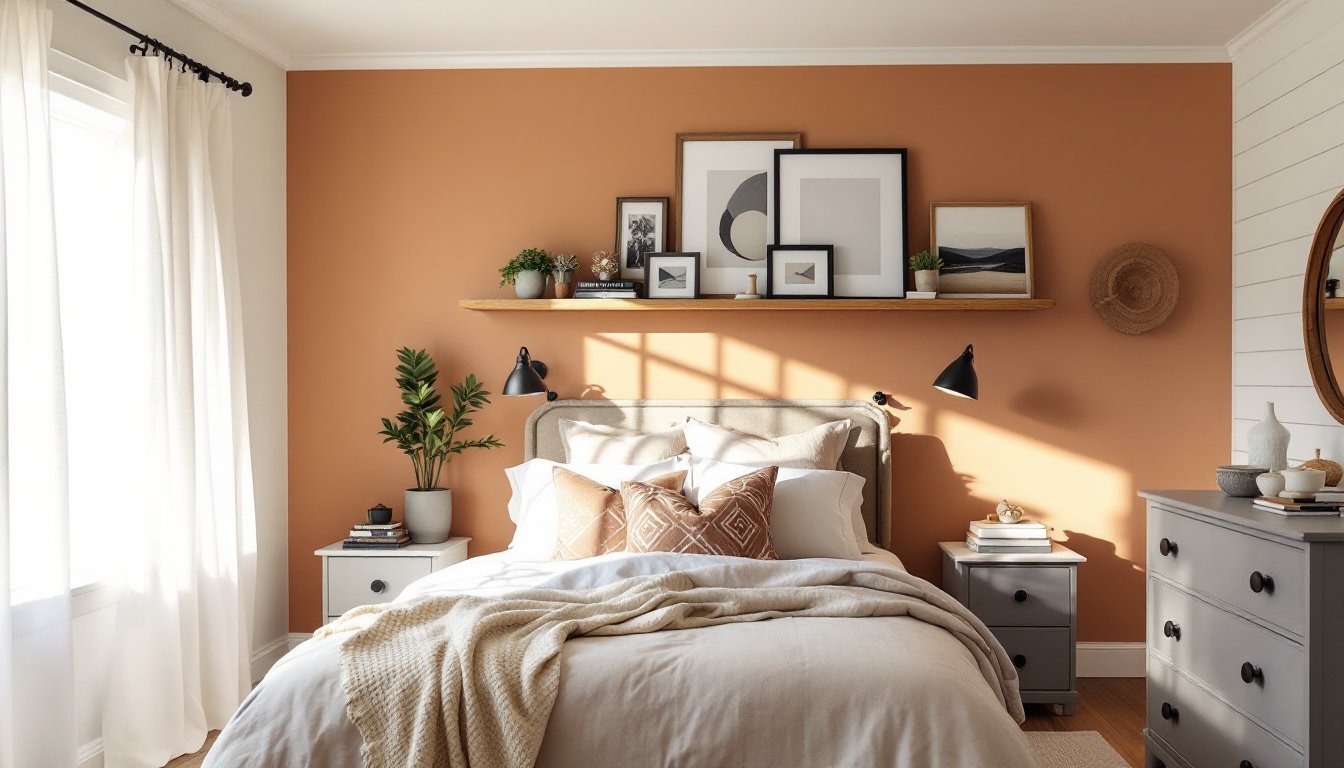
A bedroom refresh doesn’t require a decorator’s budget or contractor’s schedule. DIY bedroom decor projects let homeowners inject personality into their sleeping space while keeping costs down, and actually finishing the work themselves. The key is choosing projects that deliver visible impact without demanding specialized skills or equipment. From paint and textiles to lighting and upcycled storage, these seven bedroom decor ideas are designed to work in real homes, on real budgets, and with tools most people already own. Whether it’s creating an accent wall, rescuing old furniture, or layering new bedding, each project pairs straightforward execution with noticeable results.
Key Takeaways
- DIY bedroom decor ideas like accent walls, upcycled furniture, and new bedding deliver maximum visual impact with minimal cost and skill requirements.
- An accent wall painted on the headboard wall or primary entry point instantly adds depth and personality without committing the entire room to bold color.
- Layered lighting combining dimmable ceiling fixtures, bedside task lights, and warm-white LED strips (2700K) creates ambiance while improving functionality.
- Quality sheets in 300–600 thread count cotton paired with intentional pattern mixing and throw pillows transform bedroom style affordably.
- Upcycled thrift store furniture and DIY floating shelves maximize storage while keeping costs under $200 per project with basic tools.
Wall Art and Accent Walls
Paint is the fastest, cheapest way to reshape a bedroom’s look. An accent wall, one wall painted in a contrasting color, adds depth without committing the entire room to bold color. Choose the wall behind the headboard or the one you see first when entering: avoid painting multiple small walls, which can fragment the space visually.
Start by measuring the wall to calculate paint needed (typically one gallon covers 250–400 square feet, depending on sheen and surface porosity). Pick a quality interior latex paint in eggshell or satin finish, these are washable and hide minor wall imperfections better than flat. Flat paint absorbs more stains and feels less durable in high-traffic or bedroom corners.
Before painting, prep the wall: clean off dust, fill small holes with spackle, and sand smooth once dry. Tape trim and baseboards with painter’s tape 1/4 inch from the edge to ensure crisp lines. Use a primer if covering a dark color with light or switching from oil-based to latex: this prevents bleed-through and improves coverage.
Beyond solid accent walls, consider simple wall art: canvas prints, framed prints, or even a gallery wall with mismatched frames. These add focal points without permanent commitment. Removable wallpaper or peel-and-stick murals work for renters and those hesitant about paint.
For a more ambitious project, install shiplap or DIY vertical wall paneling using affordable 1×6 or 1×8 lumber boards (actual dimensions run narrower than nominal). This requires a stud finder, level, and brad nailer, but creates dramatic texture in a weekend.
Upcycled Furniture and Storage Solutions
Old dressers, nightstands, and shelving units often hide beneath outdated finishes. Sanding and repainting transforms them. Strip the surface with 120-grit sandpaper, wipe away dust, apply primer, and finish with two coats of paint. Handles and hardware can be swapped for new ones (hardware stores carry budget-friendly knobs and pulls for $3–10 each).
Thrift stores and online marketplaces are goldmines for cheap solid-wood furniture. Quality wood beats particleboard: look for weight and smooth joinery. Even if a piece is scratched or dented, paint coverage and new hardware hide most flaws.
For storage, consider DIY floating shelves using 1×10 or 1×12 boards mounted on wall brackets. These cost less than a dresser, maximize vertical space, and keep clutter off the floor. Always locate studs and use structural brackets rated for the intended load, bedrooms need at least 20-pound-rated brackets per shelf if holding books or décor items.
Another budget-friendly option: repurpose wooden crates stacked and screwed together, then painted. Crates become storage cubes or a chic bedside table. Use L-brackets to secure them against tipping. For renters, stacking crates without anchoring works if weighted down carefully, just keep heavier items on lower shelves.
Lighting That Sets the Mood
Harsh overhead ceiling lights drain bedroom ambiance. Layered lighting, combining ambient, task, and accent sources, creates warmth and flexibility. Replace the ceiling fixture with a dimmable option so brightness adjusts to time of day. This is straightforward if you’re replacing like-for-like: turn off the breaker, disconnect the old fixture, and follow the manufacturer’s wiring diagram. If the existing box is damaged or you’re upgrading significantly, a licensed electrician is a safer bet.
Bedside task lighting matters. Wall-mounted sconces flanking the headboard provide reading light without a nightstand lamp. Hardwired sconces require running electrical wire through walls, again, a job for an electrician if you’re unfamiliar with code. Plug-in wall sconces with fabric cords are easier and renter-friendly.
String lights, clip-on lamps, and LED strip lighting add accent warmth along shelves or behind the headboard. Warm-white LEDs (2700K color temperature) feel cozier than cool white or daylight. Look for dimmable options: they cost more upfront but last longer and reduce energy use.
Tip: avoid cheap clip-on lamps with questionable wiring: buy from established home centers where products meet safety standards.
Textiles and Layered Bedding
Quality sheets and blankets transform how a bed feels and looks. Opt for 100% cotton sheets in mid-range thread counts (300–600 TC): higher counts add cost without proportional benefit. Linen sheets feel luxe and breathe better in warm climates, but wrinkle heavily and cost more.
Layer thoughtfully: a fitted sheet, flat sheet, blanket, and duvet or quilt create depth and texture. Mismatching colors and patterns intentionally, not haphazardly, signals design confidence. Throw pillows and a textured throw blanket (draped over the foot rail) add visual interest and comfort.
Mixing Patterns and Colors
Pattern mixing intimidates many, but a simple rule works: pair one large-scale print with one small-scale pattern and solid neutrals. For instance, a bold striped duvet pairs well with a smaller-patterned throw pillow and solid linen shams. Keep the color palette tight: three main colors plus neutrals. Too many colors scatter focus and shrink perceived space.
Wash new bedding before use, it removes finishes and shrinks fabric, preventing later fit issues. Follow care labels religiously: a ruined sheet costs more than the initial wash time saved.
Window Treatments and Privacy
Curtains, blinds, and shades control light, insulation, and privacy. Blackout curtains block early morning light and reduce heat transfer: thermal-lined or 100% blackout fabric options exist at multiple price points. Measure windows precisely: mounting rods should extend 8–12 inches beyond the frame on each side to let light in fully when curtains open.
Cheap curtain rods sag under weight. Invest in a sturdy rod rated for your fabric and window width: most hardware stores post weight limits. If heavy blackout fabric is used, center support brackets prevent sagging.
Rollers and cellular shades offer a clean look and fit flush to the window frame. Cellular shades trap air, improving insulation in cold climates. Measure precisely, errors render custom shades useless, or buy stock sizes and adjust them to fit smaller windows.
For renters or those avoiding wall drilling, tension rods work in many window frames without damage. They won’t hold heavy fabric but suit lightweight linen or cotton panels. Avoid stretching them too tight: rods bend under stress.
Conclusion
DIY bedroom decor succeeds when projects balance visual payoff against actual effort. Paint, textiles, and upcycled furniture deliver the biggest impact per hour invested. Start with one high-visibility project, an accent wall or new bedding, then layer in smaller additions like lighting and wall art. Measure twice, prep surfaces honestly, and don’t skip safety gear or structural checks. A thoughtfully updated bedroom reflects the people who sleep there, costs a fraction of hiring design help, and proves that the best projects are the ones you finish yourself.