
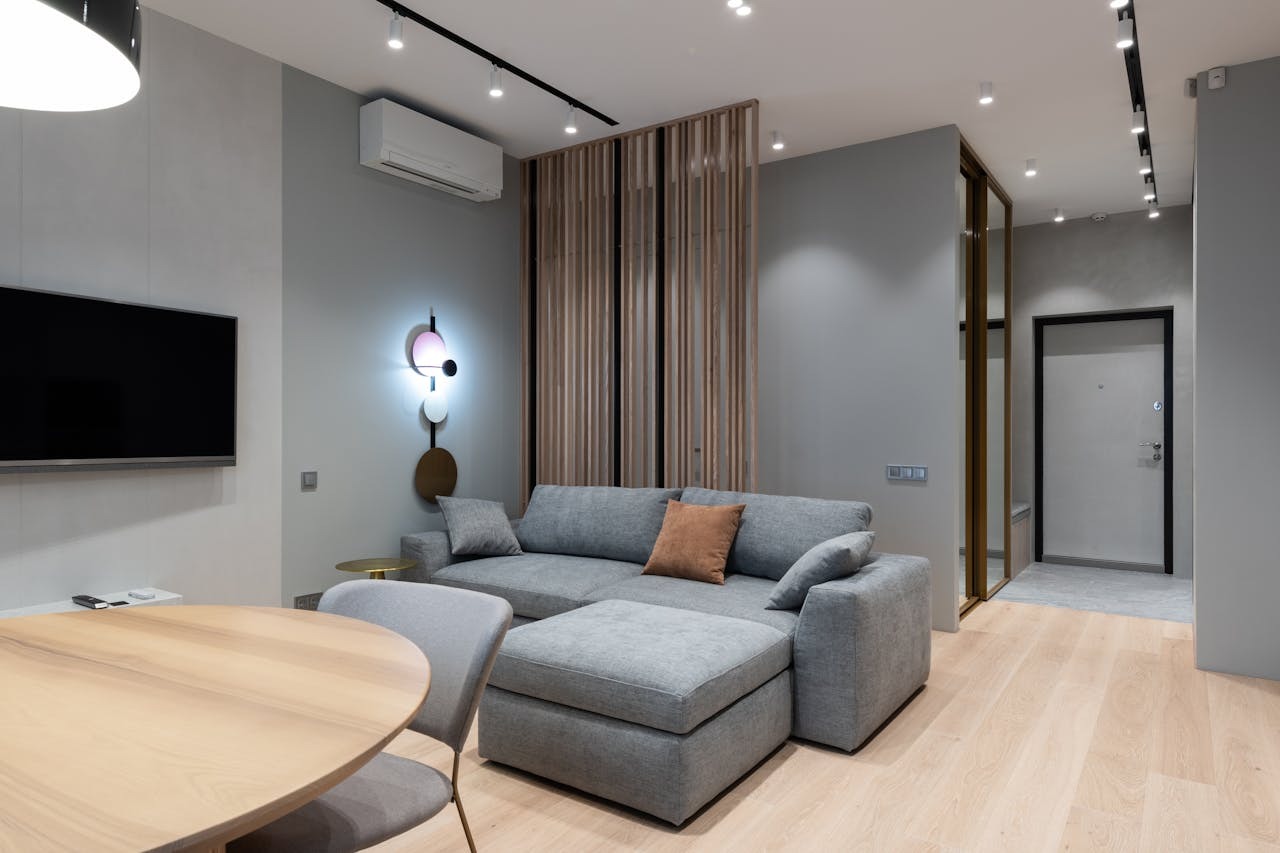
Trends come and go, but some interiors still look good no matter how many years pass. You’ve probably seen living rooms that feel calm, balanced, and inviting without trying too hard. That’s not luck — it’s the result of timeless design choices made consciously. The good news is that you don’t need a full renovation to achieve that effect. Small, smart decisions can completely change how a space ages.
Why do timeless interiors always start with calm, balanced foundations?
Timeless interiors work because they are built on calm, neutral foundations that don’t age quickly. Soft whites, warm beiges, light greys, and natural textures create a sense of balance that feels right year after year. This is also where practical choices matter — for example, a well-fitted ikea kivik cover in a neutral fabric helps the sofa blend naturally into the space instead of standing out as a trend-driven element.
Neutral doesn’t mean empty or dull. It means easy to live with, easy to update, and easy to adapt. When the base of the room feels calm, everything else can change without causing visual chaos.
This approach works best when the largest elements stay simple. Sofas with clean lines, wide armrests, and comfortable proportions feel familiar and welcoming, not temporary or decorative.
In real interiors, timeless foundations usually include:
- soft, neutral wall colors that don’t dominate the room,
- natural fabrics like cotton or linen that feel honest and comfortable,
- simple furniture shapes without unnecessary details,
- a limited color palette supported by texture instead of contrast.
This kind of base gives the room room to breathe — and evolve. It also makes everyday design decisions easier, because the space already feels balanced and complete. Instead of chasing trends, you build an interior that naturally adjusts to your lifestyle and stays visually calm over time.
How do you choose furniture shapes that never feel out of place?
Furniture that stays relevant avoids extremes. Very trendy shapes often look exciting at first, but they age fast. Timeless furniture focuses on comfort, balance, and function, not on visual shock.
Sofas are especially important because they usually define the whole living room. Deep seats, wide armrests, and solid proportions create a relaxed look that still works years later. These shapes feel natural, not forced.
That’s why many classic IKEA frames remain popular for so long. Their success isn’t about trends — it’s about good proportions and everyday comfort. What really changes over time is the surface, not the structure.
Instead of replacing furniture, many people refresh it through fabrics and finishes. A new cover can completely change how a sofa looks while keeping the same familiar shape and comfort.
Furniture that ages well usually has:
- comfortable proportions, not dramatic forms,
- shapes that work with different styles,
- materials that can be cleaned or replaced,
- design made for daily use, not display.
Good furniture doesn’t steal attention. It supports the space quietly. It stays in the background while everyday life happens around it, without demanding constant updates or replacements. That’s what makes it a long-term choice rather than a short-lived trend.
Why are textiles the easiest way to keep an interior feeling fresh?
Textiles do a lot more than people think. They age faster than furniture, which makes them perfect for small updates that don’t feel risky. Changing fabrics changes the mood of the room without changing the room itself.
Cushions, throws, and sofa covers affect how modern or classic a space feels. Light cottons and linens bring freshness, while velvets and textured fabrics add warmth and depth. What matters most is quality and fit, not trends.
Textiles also soften interiors. They reduce harsh lines, absorb sound, and make rooms feel lived-in instead of staged. A space with good textiles always feels more welcoming.
In timeless interiors, textiles are often used to:
- refresh the look without permanent changes,
- balance hard materials like wood or metal,
- add texture instead of strong color,
- protect furniture and extend its life.
This keeps the interior flexible without losing its identity. It allows the space to change with the seasons, moods, or everyday needs, without starting from scratch each time. Small textile updates often make the biggest difference, because they work quietly in the background.
How do subtle updates help a living room age better over time?
A timeless interior doesn’t stay the same forever. It stays relevant because it allows small, thoughtful changes that feel natural, not forced.
Updating fabrics, accessories, or lighting every few years prevents the room from feeling stuck in one moment. The structure stays the same, but the atmosphere adjusts to how life changes.
This way of thinking is also more sustainable. Instead of throwing furniture away, people focus on refreshing what already works. The result is a living room that grows with its owner.
Subtle updates usually focus on:
- refreshing upholstery instead of replacing furniture,
- changing colors through removable textiles,
- adjusting lighting tone and placement,
- adding or removing accessories gradually.
When these changes are built on a timeless base, the interior never feels outdated — it simply feels cared for.