
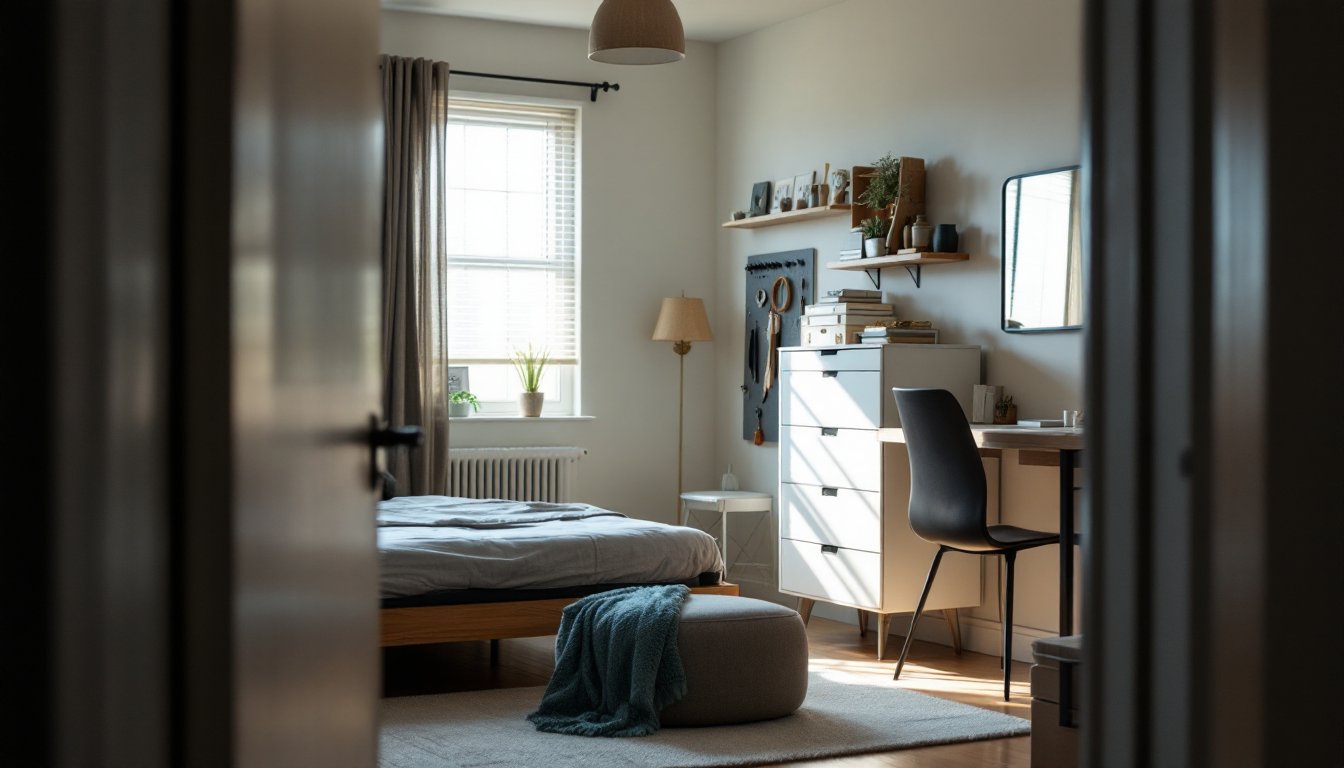
Small bedrooms don’t require compromise, they just require strategy. Whether someone’s working with a cramped apartment, a tight guest room, or a child’s bedroom, the right furniture arrangement can transform an awkward space into a functional, livable retreat. The key isn’t about fitting more stuff in: it’s about arranging what matters to create flow, maximize usable floor space, and make the room feel larger than it is. This guide covers nine practical, field-tested approaches to furniture placement that work regardless of the room’s shape or size limitations.
Key Takeaways
- Measure your space and create a scale floor plan before moving furniture to catch design problems early and prevent costly mistakes.
- Position the bed against a wall—preferably the longest or most prominent one—to maximize floor space and make the room feel intentional rather than cramped.
- Choose platform beds or low-profile frames with open sides to free up under-bed storage and reduce visual weight in small bedrooms.
- Use vertical storage solutions like wall-mounted shelves, tall narrow dressers, and pegboards to shift belongings up instead of out and keep the floor open.
- Select multipurpose furniture such as storage beds, storage ottomans, and desk-dresser combos to eliminate the need for separate pieces and reduce clutter.
- Arrange remaining furniture along walls in logical zones tied to daily routines, keeping clear pathways and positioning work areas near natural light or windows.
Measure Your Space and Plan Before Moving
Before sliding a single piece of furniture, grab a measuring tape and map out exact dimensions. Measure the room length, width, and height: note window placement, door swing direction, and any fixed obstacles like radiators, outlets, or HVAC vents. These details matter more than they seem, a door that opens inward can claim 2 to 3 feet of functional space, and an overlooked vent placement can block a wall entirely.
Create a simple scale drawing on graph paper or use free online tools like Floorplanner or Room Planner. Include furniture dimensions (not just “bed” but the actual footprint) and placement options. This ten-minute planning step prevents moving a heavy dresser three times and catches problems before they happen. When measuring furniture, account for clearance, most moving guides recommend 2 to 3 feet of walking space and at least 18 inches for drawer pulls or door openings. Small bedrooms need every inch counted: a detailed plan transforms arrangement from guesswork into a confidence-backed decision.
Position Your Bed Strategically
The bed is the room’s anchor. Its placement dictates everything else, so getting it right first saves headaches later.
Against the Wall for Optimal Floor Space
In most small bedrooms, the bed belongs against a wall, preferably the longest or most visually prominent wall. This leaves the rest of the floor open and prevents the room from feeling like furniture is scattered randomly. Positioning the bed headboard against the wall also creates a visual anchor that makes the room feel intentional rather than cramped. Avoid centering the bed in the room unless it’s a true island layout, which works only in rooms with multiple entry points or unusual geometry.
If the bedroom has a window, don’t automatically assume the bed can’t go near it. A bed beside a window (headboard against the side wall, not blocking the window entirely) works well if there’s space for blackout curtains or a shade. The trade-off is natural light during the day versus privacy or temperature control: evaluate what matters more for that specific room.
Platform or Low-Profile Options
A bed frame that sits high off the ground wastes valuable under-bed storage and makes the room feel cramped. Platform beds or low-profile frames (6 to 8 inches off the floor) open up usable space underneath and visually reduce the bed’s visual weight. A standard queen mattress is 60 inches wide by 80 inches long: even a low frame at that size dominates a small room, so choosing a frame style that doesn’t block sightlines matters. Metal frames, slatted platforms, and designs with open sides let light pass through and reduce that “furniture blocking everything” feeling.
Stored items under the bed (seasonal clothing, extra blankets, or rolling storage bins) stay accessible and hidden. Avoid stacking junk indiscriminately under there, use shallow rolling organizers or under-bed storage boxes that slide smoothly. This keeps the space functional rather than a dust-collecting catch-all.
Choose Vertical Storage Solutions
Floor space is precious in a small bedroom: walls are free. Vertical storage shifts belongings up instead of out, reducing clutter on the floor and making the room feel more open.
Wall-mounted shelves (floating shelves or bracket-supported units) hold books, décor, and everyday items without eating floor space. A typical floating shelf (24 to 36 inches long) can hold 25 to 50 pounds depending on the wall anchor type, toggle bolts, molly bolts, or studs do the heavy lifting. Install shelves at eye level or slightly above so they frame the room visually and remain accessible. Avoid towering shelves that reach the ceiling in very small rooms: they can make the space feel boxed in.
Tall, narrow dressers or vertical shelving units (often 18 to 24 inches wide) take up less floor footprint than a traditional wide dresser while holding just as much. A six-drawer vertical dresser occupies roughly 2 square feet versus 3 to 4 feet for a standard dresser. If wall space is limited, look for corner shelving (L-shaped or triangular units) that fit awkward corners without protruding into the room.
Pegboards and wall-mounted organizers keep accessories, jewelry, or daily-use items visible and off surfaces. They’re particularly useful for small bedrooms where every surface doubles as storage real estate. Install pegboard at the foot of the bed or on a blank wall next to the desk to keep things within arm’s reach without cluttering nightstands or shelves.
Use Multipurpose and Compact Furniture
In a small bedroom, every piece should earn its place. Multipurpose furniture does double or triple duty, cutting down on the total number of items taking up space.
Storage beds (beds with built-in drawers underneath) eliminate the need for a separate dresser in ultra-tight rooms. A storage ottoman at the foot of the bed holds extra blankets, off-season clothing, or bedding while serving as seating. Nightstands with shelves or drawers replace a separate shelf, keeping the bedside functional without extra furniture. When shopping, prioritize pieces with closed storage (drawers, cabinets) over open shelving, they look neater and contain visual clutter, making the room feel spacious.
Desk-dresser combos work for teenagers or adults who need a workspace. A compact desk with shelving above (around 36 to 48 inches wide) replaces both a traditional dresser and a dedicated desk, freeing up an entire wall section. If a full desk isn’t needed, a wall-mounted drop-down desk (20 to 30 inches wide, folds up when not in use) provides workspace without permanent floor footprint.
Avoid furniture with exposed legs or spindly designs in very small rooms: they break up sight lines and make spaces feel cluttered. Furniture with skirt bases or closed sides (like a storage bed or low dresser with solid panels) lets sightlines travel further, creating a sense of openness even when the room is packed.
Arrange Remaining Pieces for Flow and Function
Once the bed is positioned and vertical storage is planned, the remaining furniture (dresser, desk, chair, or nightstand) should follow a logical flow tied to daily routines.
Path of travel matters. Someone should be able to walk from the door to the bed and around the room without stepping over furniture or executing a three-point turn. Arrange pieces along the walls in a logical sequence, nightstand by the bed, dresser nearby, desk or chair in a secondary corner. This creates natural “zones” (sleep zone, dressing zone, work zone) within one small room.
Diagonal placement occasionally works in square rooms with long sight lines, but in most small bedrooms it fragments the space and looks cramped. Stick to perpendicular placement (furniture against walls, at right angles) unless the room’s geometry demands otherwise.
Lighting placement affects furniture arrangement. Position the desk or reading chair near a window or under a ceiling fixture. A desk facing a wall (not a window) feels isolating: facing toward the room or window keeps the area functional and pleasant. If plug-in lamps are necessary, confirm outlet availability, don’t arrange furniture that blocks easy access to power, or you’ll end up with extension cords snaking across the floor.
Mirrors and reflective surfaces strategically placed opposite windows bounce light around and make the room feel larger. A mirror on the wall opposite a small window expands visual depth. Avoid clustering furniture in corners: spread pieces along walls to maximize the sense of openness. Even in a 10-by-12-foot room, thoughtful spacing creates a functional bedroom that feels intentional rather than stuffed.