
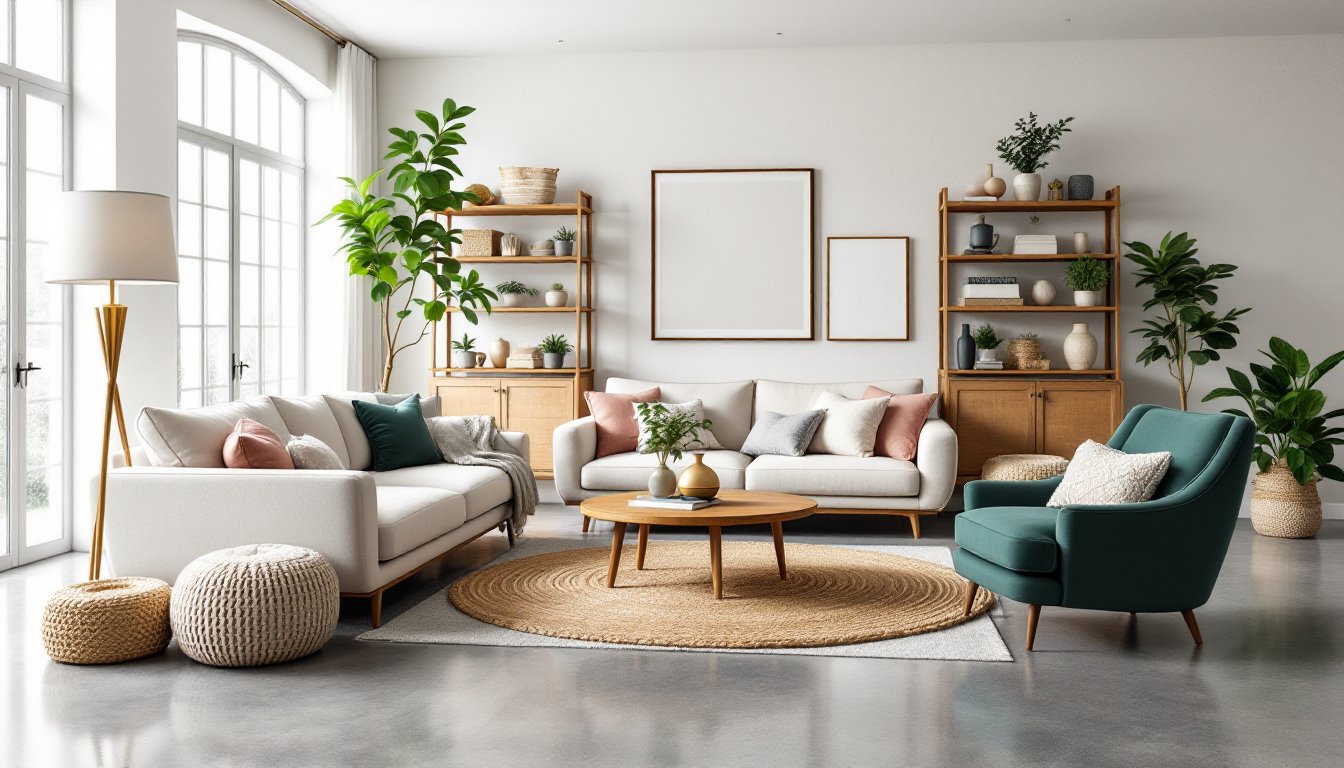
Grey floors have become a staple in modern homes, offering versatility and a contemporary aesthetic that works with almost any décor. Whether someone has installed polished concrete, grey tile, light oak, or engineered hardwood in a cool grey tone, pairing it with the right living room furniture can make or break the space. The challenge isn’t finding pieces that match grey, it’s understanding which colors, finishes, and styles will truly complement the specific undertones in those floors and create a cohesive, inviting room. This guide walks through selecting living room furniture that works harmoniously with grey flooring while maintaining style and functionality.
Key Takeaways
- Identify whether your grey floors have cool (blue, purple, silvery) or warm (brown, beige, taupe) undertones before selecting living room furniture to ensure visual harmony and avoid awkward color clashes.
- Light neutrals like white, cream, and beige are timeless choices that complement grey floors, while natural wood tones and woven textures add warmth and organic softness to grey floor spaces.
- Use bold accent furniture strategically with grey flooring by choosing one dominant accent color (emerald, navy, teal, or terracotta) and introducing it through easily changeable elements like throw pillows and area rugs.
- Pair grey flooring with warm white lighting (2700K color temperature) and layer ambient, task, and accent lighting to prevent the space from feeling cold or flat.
- Balance scale and visual weight in your living room furniture arrangement with substantial end tables, appropriately sized area rugs, and vertical elements like tall bookcases to create a cohesive, intentionally styled room.
Understanding Your Grey Floor’s Undertones
Before buying a single piece of furniture, it’s critical to identify whether the grey floors lean cool or warm. Cool greys, those with blue, purple, or silvery undertones, create a modern, sophisticated foundation. Warm greys, tinged with brown, beige, or taupe, feel more inviting and traditional. The easiest way to check is to observe the floors at different times of day under natural and artificial light. A cool grey that looks almost blue in morning sunlight might appear more neutral by evening.
This undertone matters because warm-toned furniture against cool grey floors can look awkward and disconnected, and vice versa. Someone with cool grey flooring who then chooses a warm honey-wood coffee table might notice the clash immediately. Conversely, matching undertones creates visual harmony without extra effort. Take a phone photo of the floors, bring it to the furniture store, and compare it against potential pieces. Many people skip this step and regret it after delivery.
Neutral Furniture Colors That Complement Grey Floors
Whites, Creams, and Beiges
Light neutrals are safe, timeless choices that almost always work with grey flooring. White or cream sofas provide a clean contrast that makes grey floors appear darker and more defined. A pale cream sectional, for instance, anchors the room without competing for visual attention. These colors also maximize the sense of space in smaller living rooms.
Beige and warm ivory work especially well if the grey floors have warm undertones. The slight warmth in these fabrics bridges the gap between cool concrete and living elements like wood accessories or greenery. Linen and cotton blends in cream hold up better than pure white over time, they hide dust and spills slightly better. Avoid pure white if the household includes kids or pets unless the fabric is performance-rated for durability.
Warm Woods and Natural Materials
A natural wood side table, bookshelf, or entertainment unit grounds a room and softens the coolness of grey floors. Medium to warm wood tones, think walnut, cherry, or honey oak, provide warmth without overwhelming the space. Reclaimed or distressed finishes add character and mask minor scratches that come with use.
Rattan, jute, and woven textures (ottomans, baskets, armchairs) bring organic softness to a grey-and-neutral palette. These materials reflect light differently than hard surfaces, adding visual depth. A jute area rug anchors furniture groupings and defines zones in open-concept living rooms. Layer textures through throw pillows, blankets, and upholstery fabrics, linen, wool, and cotton all complement grey without clashing.
Bold Accent Furniture and Color Pairings
Grey is a blank canvas, and that’s its strength. Deep jewel tones, emerald, navy, charcoal, and teal, create sophisticated contrast against grey floors. A teal accent chair or navy velvet sofa anchors the room and adds personality. Pair these deeper colors with white or cream throw pillows and a light rug to keep the space from feeling dark.
Warm accent colors like terracotta, rust, and warm sage also work beautifully with grey, especially if the floors trend warm. A burnt orange throw or terracotta ottoman brings energy without overwhelming. Soft blush and dusty rose pair elegantly with cool grey, creating a calm, contemporary vibe.
The key with bold accent pieces is restraint, choose one dominant accent color per room, then support it with one or two secondary accents. A single statement armchair in deep teal is more striking than a teal sofa, teal ottoman, and teal accent table. Introduce accent colors through easily changeable elements: throw pillows, area rugs, artwork, and soft furnishings rather than large upholstered pieces. This approach lets someone refresh the room seasonally without major furniture investments.
Lighting and Styling Tips for Grey Floor Spaces
Grey is neutral but can read as cold without proper lighting. Warm white bulbs (2700K color temperature) in floor lamps, table lamps, and pendant fixtures counteract the cool tone of grey floors and make the space feel welcoming. Avoid harsh cool white (5000K+) overhead lights that amplify grey’s neutral quality.
Layering light, combining ambient, task, and accent lighting, prevents a grey room from feeling flat. A floor lamp next to a reading chair, a table lamp on a console, and soft pendant lights create visual interest and make the space feel designed rather than sparse. Metallic finishes (brass, brushed gold, matte black) add richness to grey palettes more effectively than chrome or polished nickel.
When styling furniture, scale and balance matter more than color alone. A single oversized sofa against a wall can dominate and make a space feel unfinished. Pairing it with substantial end tables, a coffee table with visual weight, and a large area rug creates cohesion. Incorporate vertical elements, tall bookcases, wall-mounted shelving, or artwork, to draw the eye up and maximize the sense of openness. Greenery (live plants or quality faux options) introduces color and softness that raw grey and neutral furniture can lack.
Conclusion
Furnishing a living room with grey floors comes down to understanding undertones, choosing neutrals intentionally, and using accent colors strategically. Cool or warm greys paired thoughtfully with cream, natural wood, and strategic pops of color create spaces that are both contemporary and livable. The right furniture, properly lit and styled with intention, transforms grey floors from a neutral backdrop into a sophisticated foundation for living.