
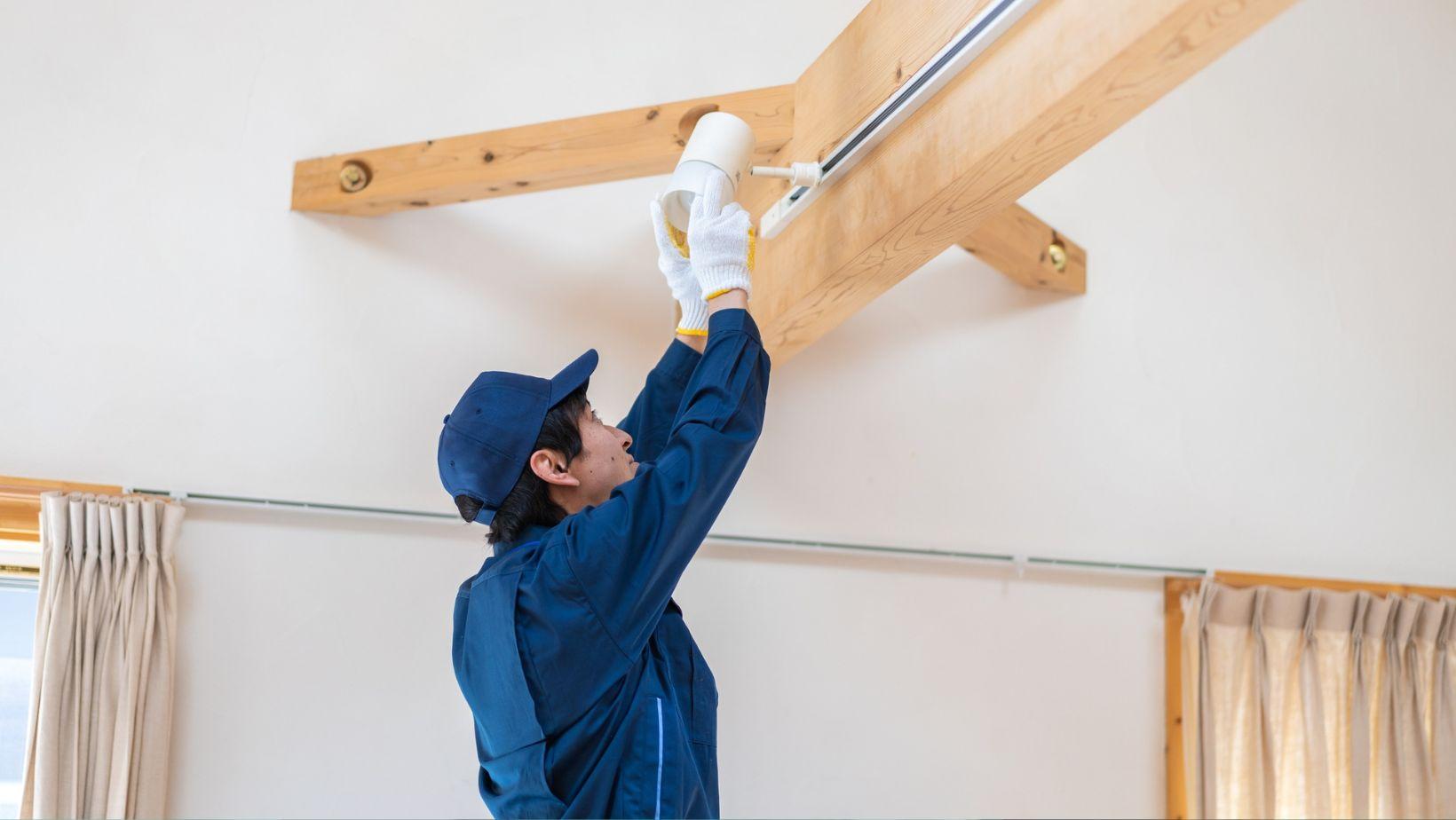
Home maintenance has a way of getting pushed to the bottom of the list until something stops working. A small leak, a sticking door, a roof that’s been making a different sound than usual. Most of these problems start small and stay manageable if they’re caught early. A year-round approach to maintenance keeps small issues from becoming expensive ones.
Building a Seasonal Rhythm
Home maintenance works best when it follows the calendar instead of a problem forcing the issue. Each season brings its own set of tasks, and spreading them out makes the whole process more manageable than trying to do everything at once.
Spring and Fall: The Transition Seasons
Spring and fall are when a home transitions between extremes, which makes them the right time to check the systems that will be tested in the months ahead. The roof needs to be checked for winter damage. Gutters need clearing before heavy rain arrives. The HVAC system benefits from servicing before it starts running constantly. Checking window and door seals also matters here. A seal that’s failed over the winter shows up as a higher energy bill before it shows up as a draft you can feel.
Summer and Winter: The Demand Seasons
Summer and winter put the most strain on a home’s systems. HVAC and insulation work harder during these months, which makes early summer and early winter useful checkpoints.
A quick check before peak demand hits catches what the transition season missed. Filters need changing. Weatherstripping needs confirming. Any small repairs flagged earlier need to actually get done. Skipping this step is how a small issue turns into a mid-season breakdown that’s both uncomfortable and expensive to fix urgently.
When to Call a Professional
Some maintenance is well within reach for most homeowners. Cleaning gutters. Changing filters. Checking caulk around windows. Other work calls for someone who does it for a living.
Electrical work and roofing repairs sit in that second category, along with anything involving the structural integrity of the home. The cost of a mistake here is high enough that the labor savings from doing it yourself carry real risk.
For homeowners who need a specialist for a specific job, https://fixihouse.com/ connects them directly with local contractors who work in the relevant trade. A contractor who handles that specific kind of work regularly brings a level of familiarity that a general handyman covering unfamiliar ground usually can’t match.
The Tasks That Matter Most
Knowing when to call in help matters less if the underlying tasks aren’t clear in the first place. Some maintenance protects the structure of the home. Some is mostly cosmetic. Knowing the difference helps homeowners prioritize when time or budget is limited.
Roof and Gutters
The roof is the system most homeowners think about least until it fails, and by then the damage often extends beyond the roof itself. A missing shingle or a gutter pulling away from the house are early signals worth acting on right away.
Water that isn’t directed away from the foundation properly causes problems that cost far more to fix than the gutter maintenance that would have prevented them.
Plumbing and Electrical
These systems hide most of their problems until they surface all at once. A slow leak under a sink can go unnoticed for months while it damages the cabinet and subfloor beneath it. Electrical issues escalate faster and carry more risk, which makes routine checks worth the relatively small time investment.
A few minutes spent looking under sinks, checking water pressure, and testing outlets catches most of what tends to go wrong. The cost of noticing a problem early is almost always smaller than the cost of finding it after it has already caused damage.
HVAC
Heating and cooling systems lose efficiency gradually, which makes the decline easy to miss day to day. A system working twice as hard as it should still produces comfortable air, just at a higher cost. Regular servicing catches that gap early, before it turns into a much larger bill or a system failure during the season it’s needed most.
Filters matter more than most homeowners give them credit for. A filter that’s overdue for replacement forces the whole system to work harder, which shortens its lifespan and raises monthly costs in ways that are easy to overlook until the bill arrives.
Keeping Track of What’s Been Done
A simple log of completed maintenance, whether digital or on paper, makes the whole process easier over time. It keeps tasks from getting forgotten or duplicated, and it gives a clear record to check if a problem develops later and the cause needs tracing.
It also helps at resale. A documented maintenance history signals to a buyer that the home has been cared for consistently, and that tends to carry real weight in how a property gets evaluated.
Final Thoughts
Home maintenance done consistently takes far less time and money than maintenance done in response to a crisis. A seasonal rhythm, attention to the systems that matter most, and a willingness to bring in a professional when the job calls for it keep a home running well without turning every weekend into a repair project.