
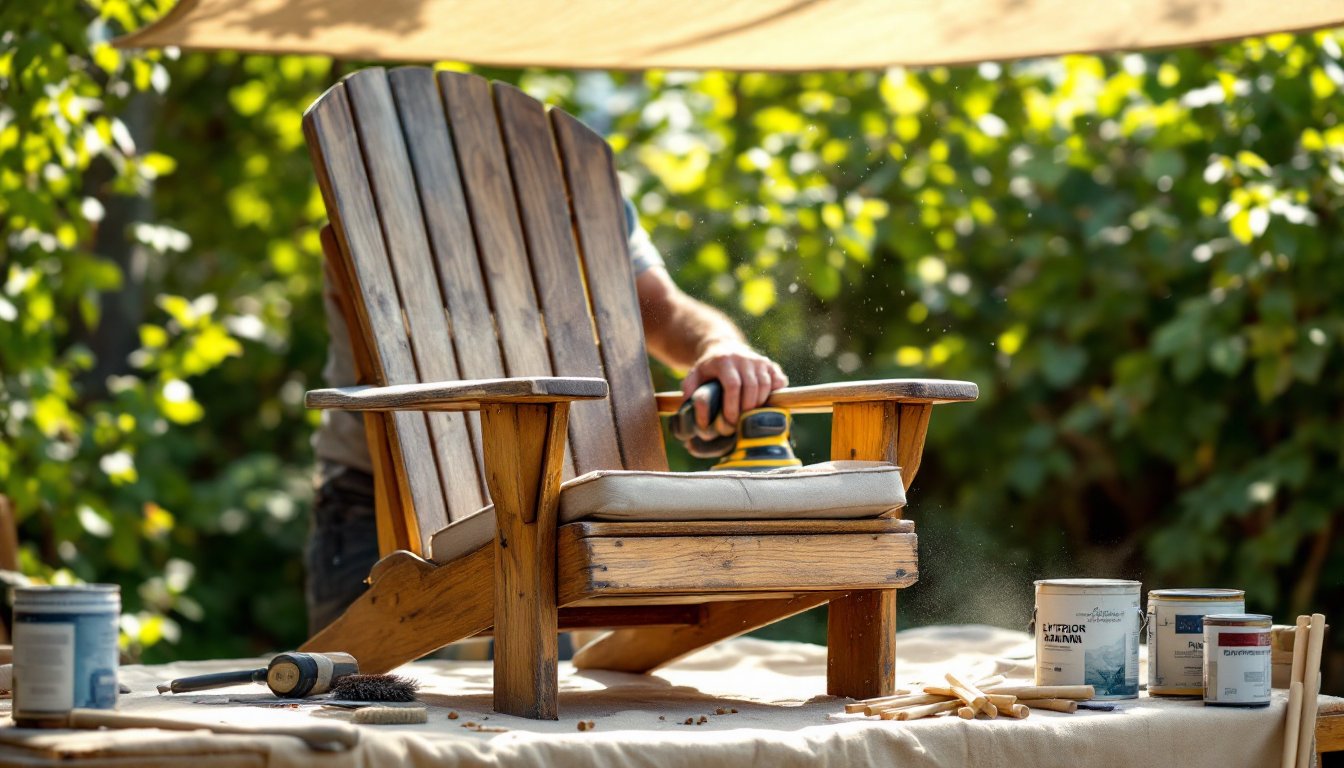
Patio furniture takes a beating. Between UV rays, moisture, temperature swings, and simple neglect, even well-made pieces deteriorate over time. Before tossing that weathered table or wobbly chairs to the curb, consider restoration. Whether dealing with faded wood, rusty metal, or loose joints, most patio furniture problems are fixable with basic tools, patience, and a methodical approach. This guide walks through assessing damage, prepping surfaces, making structural repairs, and refinishing, so a person can breathe new life into outdoor seating without the cost of replacement.
Key Takeaways
- Thorough inspection of patio furniture restoration begins with checking structural integrity—wiggle joints and press a screwdriver into wood to identify rot or loose connections before starting repairs.
- Deep cleaning with vinegar solution for wood, wire brushing for metal, and proper drying prevents moisture buildup and ensures new finishes adhere correctly to surfaces.
- Loose wooden joints should be disassembled, scraped of old glue, and reassembled with waterproof outdoor-rated adhesive and reinforced fasteners like dowels or bolts for lasting durability.
- Surface rust on patio furniture can be managed by sanding and treating with rust converter, but deep pitting or structural damage requires professional welding or component replacement.
- Apply outdoor-rated finishes like exterior polyurethane or deck stain in two coats minimum, allowing 24–48 hours between applications for a protective, UV-resistant seal that extends furniture life.
- Schedule patio furniture restoration in spring or fall when weather is mild, ensuring proper curing time of 7 days before regular use for maximum durability and safety.
Assess Your Furniture’s Current Condition
Start by doing a thorough inspection. Look beyond surface dirt. Check structural integrity by gently wiggling legs, armrests, and joints, excessive movement signals loose connections or rot. Press a screwdriver tip into wood near joints and at the base of legs: if it sinks easily, the wood is compromised and may need reinforcement or replacement of that component.
Identify rust patterns. Surface rust (orange, flaky) on metal frames is cosmetic and easily sanded away. Deep pitting or holes indicate structural rust that may require welding or replacement of that section. If a metal chair seat can flex or crease easily by hand, the structural integrity is questionable.
Examine cushions and fabric separately. Mildew, sun damage, or moth damage means replacement. Fabric that’s faded but structurally sound can often be revived with appropriate cleaning or reupholstering. Check for water damage or rot under cushions, standing moisture rots the furniture beneath.
Once the assessment is done, prioritize: cosmetic fixes (cleaning, stain refresh) versus structural repairs (reinforcing joints, replacing rotted wood) versus replacement of components (cushions, straps). This determines your timeline and budget.
Clean and Prep Your Pieces
Deep cleaning is non-negotiable. Dirt and mildew trap moisture and prevent new finishes from adhering properly.
For wood furniture: Use a stiff-bristled brush and a mixture of equal parts white vinegar and water, or a commercial deck cleaner (follow label directions). Scrub along the grain, paying attention to crevices and corners. Rinse thoroughly with a garden hose or pressure washer on low setting (1,500 PSI or less to avoid gouging). Let the wood dry completely, at least 48 hours in dry weather. If mildew persists, apply a diluted bleach solution (1 part bleach to 10 parts water), scrub, rinse, and dry again.
For metal frames: Wire brush off loose rust and flaking paint. For heavier corrosion, use 120-grit to 220-grit sandpaper or a wire wheel attachment on a drill. Work until bare metal shows or rust is noticeably reduced. Wipe with a damp cloth to remove dust, then dry completely to prevent flash rust.
For cushions and fabric: Brush off surface dirt, then spot-clean with mild dish soap and water. For mildew, use the vinegar solution above. Air-dry in sunlight (UV helps kill spores). Don’t machine-wash unless the cushion cover is removable and labeled washable.
Prepare the work area: a level surface, good ventilation, and protection from rain. Lay down drop cloths if finishing near plantings or clean patio areas. Wear safety glasses, gloves, and a dust mask when sanding or wire-brushing.
Repair Structural Damage
Fixing Loose Joints and Frames
Wooden furniture joints loosen over time as wood shrinks and fasteners shift. Start by identifying which joints are problematic, rock the piece gently and listen for creaks. Disassemble if possible by removing bolts or screws. If glued, apply heat (a heat gun on low, 30 seconds per joint) to soften old adhesive, then carefully separate the pieces using a rubber mallet and wooden block (don’t hammer directly on the furniture).
Once apart, scrape off old dried glue with a chisel or paint scraper. Sand the joint surfaces lightly (120-grit) to improve adhesion for new glue. Reassemble using waterproof wood glue (outdoor-rated) and reinforce with wood dowels, lag bolts, or carriage bolts if the original fasteners are corroded. Tighten bolts firmly but don’t over-tighten, which can strip threads or crack wood. Clamp the joint overnight to cure per glue instructions.
For metal frame welds that have cracked, a full reweld is structural work, hire a certified welder. Temporary reinforcement with a steel brace or flat-stock bolted across the crack is an interim fix but not a permanent solution.
Addressing Rust and Corrosion
After wire-brushing, assess the remaining damage. Light surface rust: sand with 120-grit to 220-grit until shiny. Medium rust with shallow pitting: sand or wire-brush thoroughly, then treat with naval jelly or phosphoric acid rust converter (follow product directions) to chemically convert rust to a stable surface. This stops active corrosion.
Deep pitting that creates holes or thin sections means the metal has lost structural capacity. Patch small holes (under 1 inch) with steel epoxy putty, sanding smooth once cured. Larger damage or compromised frame tubes require welding or section replacement, beyond typical DIY scope unless the person has welding experience.
Once rust is arrested, protect bare metal. Prime with rust-inhibiting metal primer (two coats for durability), then topcoat with outdoor enamel or polyurethane. This prevents new rust formation.
Refinish and Protect Your Furniture
The finishing step seals and beautifies.
For wood: Sand the entire piece with 150-grit sandpaper to smooth the surface and open the wood grain slightly. If the wood is very weathered or the original stain is uneven, use 80-grit to 120-grit first to level, then finish with 150-grit. Dust thoroughly with a tack cloth.
Choose a finish rated for outdoor use: exterior-grade polyurethane, deck stain, or yacht varnish. These resist UV and moisture better than interior finishes. Thin stains offer color with surface protection: thick varnishes build a protective shell. For a natural look, apply clear spar polyurethane (two coats minimum). For color, use exterior wood stain under a polyurethane topcoat. Follow product directions for drying time and recoating windows, typically 24 to 48 hours between coats.
For metal: After priming, apply two coats of outdoor enamel (spray or brush) or polyurethane-based paint rated for metal. High-traffic areas (armrests, seat edges) benefit from harder enamels that resist scuffing.
For cushions: If not replacing, treat fabric with a water and stain repellent like Scotchgard or similar, following label directions. This extends fabric life by shedding water and UV.
Work in a shaded area, ideally 50–85°F with low humidity. Direct sun speeds drying unevenly, and humidity slows cure. Once dry per product instructions, let the furniture cure fully (often 7 days) before regular use to ensure a hard, durable finish.
Conclusion
Restoring patio furniture isn’t complicated, it’s methodical. Assess honestly, prep thoroughly, repair structurally, and finish properly. Most projects require only basic tools: a drill, sander, brushes, and hardware-store finishes. The payoff is clear: a refreshed outdoor seating set that’s safer, more pleasant to use, and ready for another season. Schedule restoration in spring or early fall when weather is cooperative and the urgency to use the furniture is lower. With these steps, yesterday’s tired lawn chairs become tomorrow’s reliable gathering spots.