
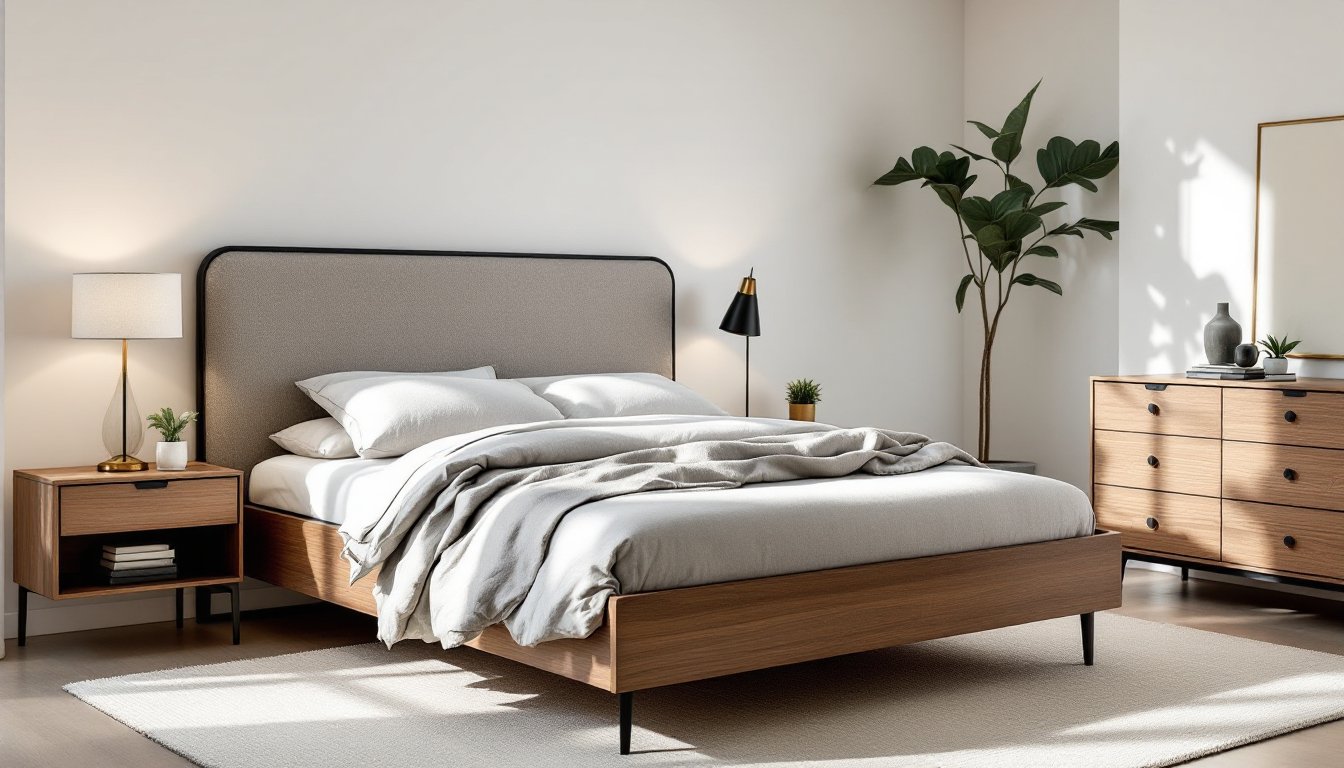
Creating a contemporary bedroom isn’t about chasing trends, it’s about building a space that functions beautifully and feels calm. Contemporary bedroom furniture blends clean lines, practical storage, and thoughtful materials into a cohesive design that works for how people actually live. Whether someone is starting from scratch or refreshing an outdated bedroom, understanding contemporary design principles helps make intentional choices rather than buying random pieces. Modern bedrooms prioritize function, quality, and a neutral foundation that stands the test of time. This guide walks through the essentials of contemporary furniture selection, material choices, and layout strategies to help anyone create a bedroom that feels both sophisticated and livable.
Understanding Contemporary Bedroom Furniture Design
Contemporary design differs from mid-century modern or industrial styles in subtle but important ways. It strips away unnecessary ornamentation while keeping proportion and craftsmanship front and center. Contemporary furniture typically features straight lines, neutral color bases, and minimal hardware, no fussy knobs or decorative flourishes that don’t serve a purpose.
The core philosophy is that every piece should earn its place. A nightstand isn’t just a table: it needs adequate drawer space and a clean profile. A dresser combines visual interest with smart organization. This approach means less clutter and more intentionality in what stays in the bedroom.
Contemporary also embraces mixed materials in a way that feels cohesive. Pairing warm wood tones with cool metals, or combining upholstered headboards with lacquered nightstands, creates visual depth without chaos. The key is restraint, mixing two or three materials per room instead of five or six.
Quality matters more in contemporary design than quantity. One well-made dresser with solid joinery and real wood or quality plywood beats three cheaply constructed pieces. Contemporary buyers should expect to invest in basics that’ll last 10+ years rather than replacing trends annually.
Key Pieces Every Modern Bedroom Needs
Beds and Headboards
A contemporary bed is the anchor of any modern bedroom. Look for platform beds or low-profile frames in wood, metal, or upholstered styles. Platform beds with integrated storage beneath drawers are practical, they eliminate the need for a separate under-bed box, especially valuable in smaller spaces.
Headboards in contemporary design serve both function and aesthetic. A simple wood slat headboard, a minimalist fabric panel, or even a sleek metal frame work well. Avoid heavily carved or ornate designs: the goal is visual calm. Upholstered headboards in neutral tones (charcoal, taupe, or cream) add softness without drawing the eye away from other elements.
Mattress size matters for bedroom proportion. A queen (60″ × 80″) works in most bedrooms, but smaller spaces might need a full (54″ × 75″). Oversized bedrooms can handle a king (76″ × 80″). Frame the bed with side tables and layered bedding to complete the look.
Storage and Dressers
Contemporary bedrooms require smart storage to maintain clean sightlines. A dresser should combine open shelving, drawers, and closed cabinet space, not everything needs to be hidden, but visual balance matters. Look for pieces with minimal base legs (or a floating design) to make the room feel more spacious.
Nightstands should match the bed’s visual weight. If the bed is minimal and airy, pairing it with a substantial solid wood nightstand creates intentional contrast. Drawer depth matters, shallow drawers waste space, while deeper ones hold chargers, glasses, and books without clutter showing. Aim for 15–18″ deep by 24–30″ wide as a practical minimum.
Low dressers (under 36″ tall) work better visually in contemporary spaces than tall chest-on-chest units. They feel less imposing and allow wall space above for art, a floating shelf, or negative space, all hallmarks of modern design.
Closet organization, though not traditional “furniture,” supports the contemporary aesthetic. Slim wooden hangers, matching storage bins, and minimalist shelving inside the closet mean the bedroom itself stays visually uncluttered.
Materials and Finishes That Define Contemporary Style
Contemporary bedrooms rely on material authenticity and honest construction. Real wood (walnut, oak, ash, or maple) and quality plywood are standard: veneer is acceptable if applied over solid substrates, not particleboard. Solid wood shows grain variation and develops character over time, qualities contemporary design celebrates.
Finishes should be matte or satin rather than high-gloss. A matte black metal frame, warm natural wood dresser, or soft linen upholstery read as contemporary. Glossy finishes feel dated by contrast. Look for low-VOC (volatile organic compound) finishes, they’re better for indoor air quality and often signal higher-quality construction.
Upholstery in contemporary pieces leans toward natural fabrics: linen, cotton, wool blends, or performance fabrics designed to withstand real use. Headboards in neutral linen or light gray wool add texture without pattern. Avoid heavy velvet or silk, they feel dated in contemporary spaces.
Metals should coordinate across the room. Matte black, brushed nickel, or warm brass are contemporary staples. Mixing finishes (a brushed nickel lamp with brass drawer pulls, for instance) works if intentional, but too many metal tones create visual confusion.
Hardware on dressers and nightstands should be subtle. Minimalist handle pulls, recessed pulls, or hardware-less designs keep sightlines clean. Quality construction means hardware stays secure after years of opening and closing drawers, cheap hardware loosens quickly and disrupts the refined aesthetic.
Color Palettes and Layouts for Modern Bedrooms
Contemporary bedrooms start with a neutral base: whites, grays, taupes, or soft beiges. This foundation makes the room feel spacious and calm, crucial in a bedroom where rest is the priority. Paint walls in matte finishes (eggshell at most) using neutral tones from brands like Benjamin Moore, Sherwin-Williams, or Farrow & Ball that specialize in sophisticated neutrals.
Accent colors come through furniture, bedding, and art rather than paint. A charcoal dresser against white walls, a taupe upholstered headboard, or deep navy bedding provide visual interest without overwhelming the space. Limit accents to two or three colors to avoid the space feeling chaotic.
Natural wood tones (warm or cool) act as a unifying element. A walnut dresser and ash nightstand create cohesion because both live in the same color family. Mixing warm and cool woods intentionally (an ash bed with a walnut dresser) works if other elements tie them together, perhaps matching hardware or a coordinated textile.
Layout in contemporary bedrooms follows function. The bed typically anchors the room, positioned where it’s visible from the door but not directly opposite it. Nightstands flank the bed evenly. A dresser aligns with the foot of the bed or along an adjacent wall for visual balance. Keep the floor around the bed clear, a small area rug defines the space without trapping furniture into awkward angles.
Lighting is critical. A contemporary bedroom needs bedside task lighting (table lamps or wall sconces flanking the headboard), ambient overhead lighting (dimmable is ideal), and ideally a reading light near a small seating area if space allows. Layered lighting supports the contemporary aesthetic while serving real needs.
Conclusion
Building a contemporary bedroom comes down to choosing quality pieces that reflect actual needs, sticking to a neutral palette, and letting negative space do the work. Contemporary furniture prioritizes honest materials, clean lines, and practical function over fleeting trends. Starting with a solid bed, essential storage, and complementary nightstands, then layering in lighting and thoughtful accessories, creates a sanctuary that feels both modern and timeless. The result is a bedroom that supports rest and reflection, exactly what a modern bedroom should deliver.