
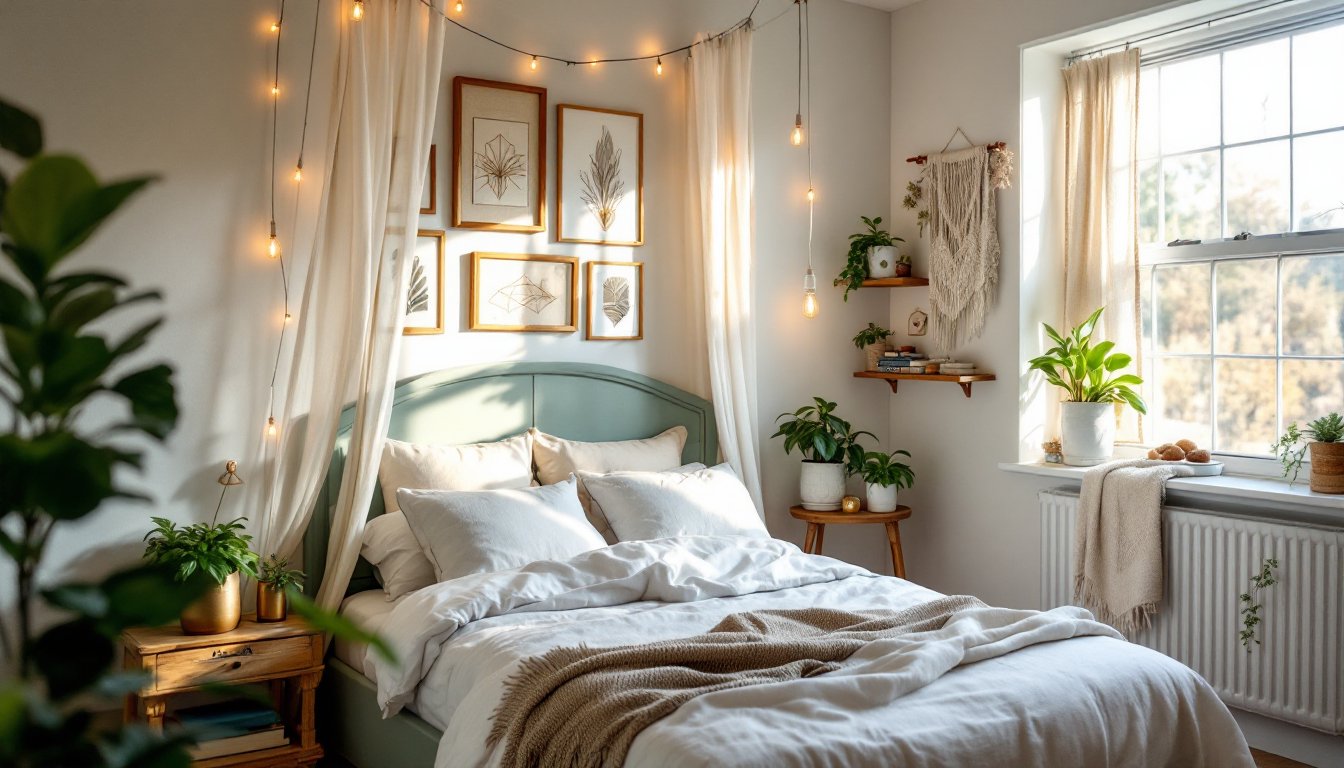
Decorating a bedroom doesn’t require a designer’s budget or a trip to expensive furniture stores. For anyone looking to refresh their space affordably, DIY cheap bedroom decor offers creative solutions that feel personal and intentional. The trick is knowing where to look for materials, sometimes the best finds are already sitting in closets, gathering dust in attics, or waiting to be discovered at thrift stores for pocket change. This guide walks through seven practical, budget-conscious projects that transform a plain bedroom without very costly. Each idea costs under $50 and uses readily available materials or simple techniques that don’t demand specialized skills.
Key Takeaways
- DIY cheap bedroom decor projects under $50 prove that transforming your space doesn’t require expensive designer furniture or professional help.
- Repurposing items already in your home—like wooden crates, picture frames, and mason jars—creates personalized wall art and storage while saving money and adding authentic character.
- Budget string lights ($15–$25) and flowing fabric instantly add ambiance and transform bedroom mood without harsh overhead lighting.
- A DIY headboard built from plywood or upcycled pallets costs $20–$50 and serves as a striking visual anchor for your bed.
- Thrift store finds paired with budget paint, stain, or metallic spray ($5–$20) let you customize used furniture and create one-of-a-kind bedroom accents.
- Low-cost plants like pothos and spider plants grouped at varying heights in repurposed containers bring natural, calming elements to your bedroom affordably.
Repurpose Items You Already Own
Before buying anything new, take inventory of what’s already in the house. Old picture frames, mason jars, wooden crates, or decorative boxes can shift purpose entirely when repositioned thoughtfully. A stack of vintage books becomes a bedside table base when topped with a wooden board. Mismatched frames hung together create a gallery wall without the expense of new art. Empty glass jars painted white or metallic make convincing storage and accent pieces.
The key is seeing past an object’s original function. A wooden ladder leaning against the wall becomes a blanket rack and display ledge. Fabric scraps sewn together or draped over wire create window treatments that cost nothing but time. This approach saves money and adds authenticity, the decor tells a personal story rather than looking catalog-generic.
Start by photographing items around the house that have visual appeal: textures, colors, shapes. Arrange them on a mood board or notes app to see patterns emerge. Then experiment with placement in the bedroom. If it doesn’t work, the only cost was rearranging.
Create Wall Art From Everyday Materials
Blank walls are the fastest way to make a room feel unfinished. Fortunately, striking wall art requires only affordable supplies and an afternoon. Kraft paper, butcher paper, or even newspaper become canvases with acrylic paint, a basic bottle costs $2–$5. Geometric patterns, abstract shapes, or simple lettering work best for beginners. Use painter’s tape (around $5 for quality tape) to mask clean lines, then paint freely between them.
For a textured look, try a collage approach: tear pages from old magazines, color them with markers if desired, and glue them to kraft paper or cardboard backing using spray adhesive. Frame the finished piece with pallet wood for a rustic edge, or simply tape it to the wall with removable hanging strips.
Another option is string art. Hammer nails into a wooden board in a pattern, then wind colored twine or thread between them to create geometric designs. Boards can be scrap wood, plywood cut to size, or even salvaged wood. Total cost typically runs $10–$20, depending on how much string is needed. The finished piece hangs like a real artwork but feels handcrafted and unique.
String Lights and Fabric for Instant Ambiance
Ambient lighting transforms a bedroom’s mood faster than anything else, and budget string lights (around $15–$25 for quality LED sets) do the job beautifully. Fairy lights, bistro lights, or Edison bulbs draped around the room create coziness without harsh overhead fixtures. String them along the headboard, above the window, or around a wall accent to add visual interest and soften shadows.
Pair lights with flowing fabric for maximum impact. Sheer curtains or lightweight fabric panels hung from hooks or rods soften walls and add dimension. Fabric can come from old bedsheets, tablecloths, or bargain-bin finds at fabric stores. Drape it asymmetrically for a bohemian feel, or hang it straight for a cleaner aesthetic. No sewing required, use adhesive hooks, pushpins, or removable poster strips to install without damage.
For a statement piece, create a fabric canopy above the bed. Attach hooks to the ceiling (check that they’re rated for weight), then drape fabric from corner to corner. This costs under $20 in materials and instantly makes the bedroom feel like a retreat. The fabric softens sound naturally, adding to the cozy atmosphere.
DIY Headboard Using Budget-Friendly Materials
A headboard anchors the bed visually and costs far less when built DIY. The simplest approach uses plywood (typically $20–$30 for a sheet) cut to size and painted or wrapped in fabric. Sketch a design, arched top, paneled sections, or simple rectangle, then cut with a circular saw or ask the store to cut it to size for a small fee.
For a padded headboard, add batting (around $10) and fabric between plywood and a backing board. Use a staple gun (budget models are $15–$20) to secure materials. Mount the finished piece directly behind the bed using L-brackets rated for the weight, critical for safety. If drilling into studs isn’t feasible, heavy-duty wall anchors work for lighter designs.
Alternatively, create a pallet headboard from free or cheap reclaimed pallets. Sand the surface lightly, paint or stain them, then arrange and secure them to the wall with fasteners. This approach costs under $20 in finishing materials and gives authentic industrial-rustic style. The key is ensuring all fasteners are secure and weight-rated, a falling headboard is a serious hazard.
Upcycle Thrift Store Finds Into Decor
Thrift stores overflow with potential bedroom accents at prices that won’t strain a budget. Old mirrors ($5–$15) reframe a room by reflecting light and adding dimension. Small wooden dressers become nightstands with fresh paint. Wire baskets, ceramic vases, and picture frames all gain new life with creative placement or minor refinishing.
Look for solid wooden pieces that show wear. A coat of paint or stain (supplies cost $10–$20) restores them instantly. Metallic spray paint (gold, silver, or copper around $5 per can) transforms dated knobs, picture frames, or lamp bases. Fabric dye refreshes worn curtains or old textiles into coordinating accents.
Before buying, inspect thrift finds carefully for structural integrity and cleanliness. Test drawers, check for missing hardware, and look for water damage or deep stains that won’t clean. Many pieces just need a little TLC, but some are beyond practical repair. This approach adds character while being environmentally conscious, each piece has a story and personality that mass-produced decor can’t match.
Plants and Natural Elements for Low Cost
Living plants breathe life into a bedroom literally and aesthetically. Even budget-friendly varieties like pothos, spider plants, or snake plants cost just a few dollars at garden centers and survive low-light conditions. Group plants at different heights using found containers, mason jars, tin cans, or repurposed planters, for visual variety without the expense of matching pots.
Create a living wall by mounting small shelves ($5–$10 each) and arranging small potted plants on them. Alternatively, hang plants from hooks using macramé plant hangers, which can be DIY’d from rope or cord for under $5. The greenery adds warmth and improves air quality as a bonus.
Natural elements cost nothing if gathered responsibly: branches in a vase, river rocks in a shallow bowl, or dried flowers create textural interest. A collection of pinecones, driftwood, or interesting stones displayed on shelves adds earth-toned accents. These elements pair beautifully with other budget decor and remind the eye of nature, calming and intentional.
Conclusion
Transforming a bedroom on a tight budget requires only resourcefulness, a bit of creativity, and time, not expensive materials or professional help. The seven ideas here prove that affordable bedroom decor doesn’t mean compromising on style or personality. Start with one or two projects that excite the most, then build from there. The result feels earned and uniquely personal, far more rewarding than buying a ready-made bedroom set.