
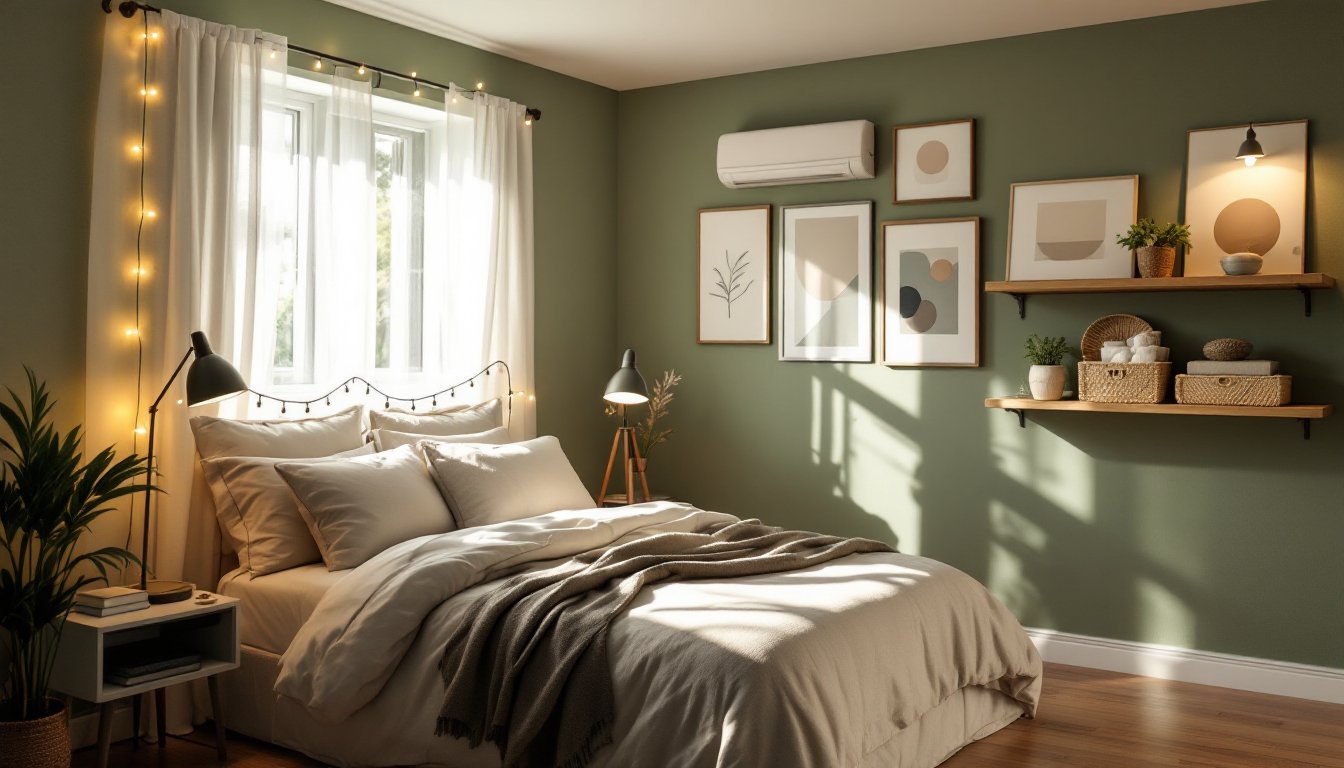
Transforming a bedroom doesn’t require a professional designer or a crushing budget. DIY bedroom decor offers the perfect balance of personalization and affordability, letting homeowners express their style while keeping costs low. Whether someone’s looking to refresh a dated space, add character to a rental, or completely overhaul their sleeping quarters, budget-friendly DIY projects deliver real results. The key is tackling high-impact changes first, paint, textiles, and lighting, before moving into more involved builds. This guide walks through practical, achievable projects that turn an ordinary bedroom into a personalized retreat without very costly or requiring advanced carpentry skills.
Key Takeaways
- DIY bedroom decor projects like fresh paint, custom artwork, and new bedding deliver high-impact results at a fraction of the cost of professional redesign.
- Paint is the fastest and most affordable transformation—a single gallon costs $25–$50 and requires only a weekend of prep work and careful application of two coats.
- Custom artwork and wall décor personalized your space affordably; canvas paintings and string art projects cost $15–$40 total and require no advanced artistic skills.
- Layering textures through quality bedding, curtains, and soft furnishings ($30–$150 total) dramatically changes the room’s visual impact and comfort without structural changes.
- Floating shelves and wooden crate organizers solve clutter while adding visual interest, keeping costs between $10–$50 per unit when securely installed into wall studs.
- Ambient lighting—including string lights, dimmer switches, and layered lamp placement—transforms a bedroom from harsh and institutional to warm and inviting for under $100.
Start With a Fresh Paint Color or Accent Wall
Paint is the fastest, most affordable way to completely change a bedroom’s mood. A gallon of quality interior paint (typically 350–400 square feet of coverage) costs $25–$50, and labor is just a weekend of work. Before picking a color, test it on a large poster board and observe how it looks at different times of day, morning light and evening light shift perception dramatically.
For beginners, painting all four walls a single color is simpler and more forgiving than an accent wall, which requires sharp lines and precision. An accent wall works best on the wall opposite the bedroom door, where it becomes a focal point. Prep work makes or breaks the job: clear the room, lay drop cloths, use painter’s tape along the ceiling and trim, and prime any patched drywall with primer-sealer before painting. Allow at least two coats, waiting the recommended dry time between coats.
When selecting color, cool tones (blues, grays, soft greens) tend to feel relaxing, while warm tones (warm grays, soft terracottas) create coziness. Matte or eggshell finishes hide imperfections better than glossy sheens: they’re also more practical for bedroom walls that don’t get heavy moisture.
Create Custom Artwork and Wall Decor
Custom artwork personalizes a bedroom at minimal cost. Store-bought prints often feel generic: homemade pieces reflect real taste and effort. A blank wall becomes a statement when covered with a gallery grid of framed prints, a large canvas painting, or textured wall hangings. The trick is choosing a theme or color palette so pieces feel intentional rather than random.
Measure and mark wall positions with a pencil before hanging anything. Use a stud finder to locate wall studs if hanging heavy pieces, and use appropriate anchors (toggle bolts for drywall, lag bolts for studs) rated for the item’s weight. Lean lighter pieces against the wall first to test the layout.
Canvas Painting and String Art Projects
Canvas painting requires no previous art experience. Acrylic paint ($3–$10 per tube) on a pre-stretched canvas ($5–$20) creates professional-looking results. Abstract designs, simple geometric shapes, color blocking, or minimalist line work, hide brushwork imperfections better than realistic images. A 2-inch brush applies base colors quickly: smaller brushes handle details.
String art is another approachable option. Hammer a grid of finishing nails (1.5 inches) into a wooden backing board in a predetermined pattern, then wind colored string or yarn between nails to create geometric designs or lettering. Pre-made templates are available online: print and tape the pattern to the board, then hammer nails through the marked points.
Both projects cost $15–$40 total and can hang immediately after paint dries.
Refresh Your Bedding and Soft Furnishings
Bedding and textiles dramatically affect a bedroom’s visual impact and comfort. A quality sheet set ($30–$80 for 100% cotton) and a new comforter or duvet cover ($40–$150) create a completely different feel without structural changes. Layering textures, linen pillowcases, a cotton quilt, a chunky knit throw, adds depth and warmth.
Color and pattern in bedding set the tone for the entire room. If walls are neutral, bold bedding anchors the décor: if walls are already colorful, bedding should harmonize without competing. Curtains or blackout shades ($20–$100) also impact mood, heavier fabrics block light and sound, while sheer panels soften morning sunlight.
Washing new textiles before use removes finishes that reduce breathability and softness. Hang-dry or use low heat in the dryer to extend lifespan. Even budget-friendly linens feel luxurious with proper care and thoughtful pairing.
Build and Style Your Own Storage Solutions
Storage projects solve clutter while adding visual interest. A cluttered bedroom feels smaller and more stressful: open shelving and organized bins make the space feel calm and intentional. Most DIY storage projects use basic tools: a drill, level, stud finder, and a circular saw or hand saw.
Floating shelves and wooden crates double as décor. They’re functional without feeling industrial, and they break up blank wall space. The key is securing shelves to studs (not just drywall) if they’ll carry books or heavy décor. A floating shelf bracket rated for 25–50 pounds cost $10–$20 per pair. Install brackets at the same height using a level to ensure shelves sit straight, then screw shelves firmly in place.
Storage bins, woven baskets, fabric boxes, or wooden crates, organize items while adding texture. Measure shelf depth before buying bins: a bin that doesn’t fit the space wastes money and creates frustration.
Floating Shelves and Wooden Crate Organizers
Floating shelves suit any décor style. For installation, locate studs with a stud finder and mark their position. Mount shelf brackets 16 inches apart (standard stud spacing) into stud centers using 2.5-inch wood screws. Place the shelf on the brackets and secure with additional fasteners from below (if accessible) for extra stability. A 24-inch shelf holds roughly 15–25 pounds when properly installed.
Wooden crate organizers are ideal for renters or anyone hesitant about wall anchors. Stack or arrange wooden crates (available unfinished for $10–$30 each) in bookcases or cubbies, then fill with folded clothing, shoes, or books. Stain or paint crates to match bedroom colors. Casters on the bottom of stacked crates let someone slide them for cleaning behind or underneath.
Add Ambient Lighting to Set the Mood
Lighting transforms a bedroom from institutional to inviting. Overhead ceiling fixtures alone create harsh, unflattering light: layered lighting, pendant lights, wall sconces, table lamps, and string lights, allows flexibility and creates warm, relaxing ambiance. Smart bulbs ($10–$25) let someone adjust color temperature and brightness without rewiring.
String lights, fairy lights, or LED strip lighting ($15–$40) add visual interest and soft glow without permanent installation. Drape them above the headboard, along shelving, or around a window frame. LED options stay cool and use minimal energy, reducing fire risk compared to older incandescent strands.
A dimmer switch ($15–$30) on existing overhead or wall fixtures gives more control over light levels. Installation requires turning off power at the breaker and replacing the standard switch, a 10-minute job if someone’s comfortable with basic wiring. If not, a licensed electrician costs $100–$200 for the installation. Dimmer switches pair well with warm-white LED bulbs (2700K color temperature) that mimic candlelight and promote relaxation.