
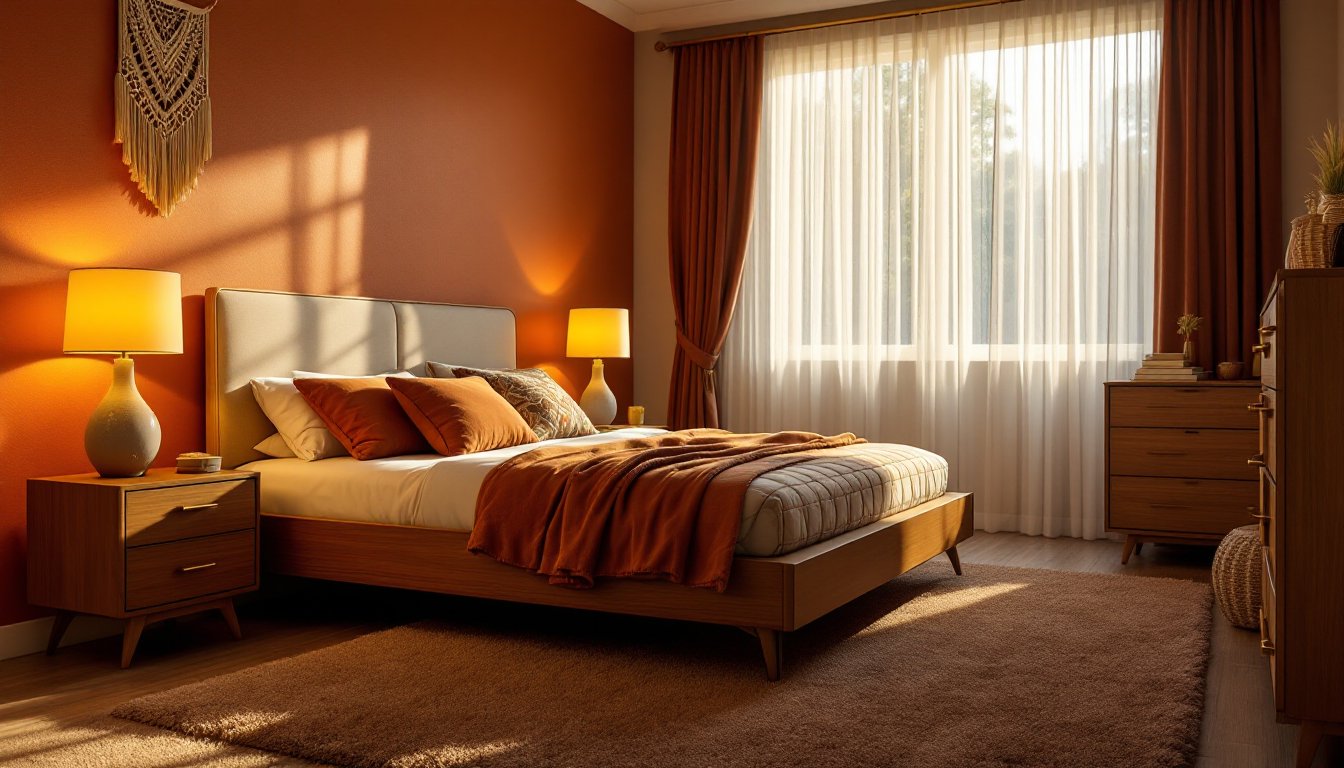
The 1970s brought a bold design revolution to the bedroom, one that rejected stuffy Victorian formality in favor of organic materials, earthy tones, and furniture with real character. Whether someone’s drawn to the warmth of walnut veneer, the geometric precision of teak nightstands, or the pure audacity of a waterbed frame, 1970s bedroom furniture offers a design language that feels both nostalgic and surprisingly current. This article walks through the key pieces, color schemes, and materials that defined the era, then shows exactly where to hunt down authentic pieces or smart reproductions for 2026.
Key Takeaways
- 1970s bedroom furniture emphasizes natural wood tones, organic materials, and bold earthy colors like burnt orange, olive green, and rust—a reaction against 1960s minimalism that prioritizes craftsmanship and visual warmth.
- Platform beds and waterbed frames defined the era’s signature aesthetic; platform beds remain functional today, while authentic waterbed frames are now sought-after collectibles that work beautifully as sculptural bases in modern interiors.
- Key 1970s pieces include low-profile dressers (30–36 inches tall), compact nightstands (18–24 inches), and wall-mounted storage solutions that combined wood, glass, and metal in functional, durable designs still prized by collectors.
- Authentic 1970s bedroom furniture ranges from $300–$1,500 depending on the piece and condition; estate sales, Facebook Marketplace, and specialized vintage sites like Chairish or 1stDibs are the most reliable sources.
- Recreating the 1970s bedroom aesthetic in 2026 requires balancing authentic pieces with modern reproductions, focusing on natural materials, bold color choices, and visible wood grain rather than period-perfect accuracy.
The Defining Characteristics Of 1970s Bedroom Design
1970s bedroom design was about rejecting the pristine, minimalist aesthetic of the 1960s and embracing texture, natural wood tones, and a slightly bohemian sensibility. The decade celebrated craftsmanship over mass production, or at least the appearance of it. Furniture featured visible wood grain, often in darker finishes like walnut or rosewood, paired with fabric upholstery in burnt orange, avocado green, rust, or mustard yellow.
Key design principles included an emphasis on low-profile pieces, beds and dressers sat closer to the ground, creating a more intimate spatial feel. Curved edges replaced sharp corners. Hardware became a design statement: brass, bronze, or sculptural wooden handles replaced simple chrome pulls. The bedroom transformed into a retreat, not just a place to sleep, with layered textures from macramé wall hangings, shag carpeting, and heavy curtains completing the vibe.
Material honesty mattered, too. Solid wood construction, visible joinery, and minimal upholstery created a tactile quality that resonated with the era’s “back to basics” cultural movement. Whether intentional or accidental, that visual warmth is why 1970s furniture continues to draw design enthusiasts today.
Essential 1970s Furniture Pieces Every Era Enthusiast Should Know
Platform Beds And Waterbed Frames
Platform beds were the signature statement piece of 1970s bedrooms. Unlike traditional frame-and-box-spring setups, platforms featured a solid or slatted base that elevated the mattress 12–18 inches above the floor, sometimes with integrated storage drawers underneath. Walnut or oak veneered plywood construction was standard, often with a floating appearance or low, angular headboard panels.
Then came waterbeds, the era’s most audacious furniture innovation. These motion-mimicking marvels promised the ultimate in comfort and became a cultural icon (even if they leaked at inconvenient moments). The frames were typically solid wood, heavily engineered to support the massive weight of water-filled vinyl bladders. Today, authentic waterbed frames are sought-after collectibles: their wooden frames alone, stripped of the vinyl, work beautifully as sculptural bed bases in contemporary bedrooms.
Practical consideration: If someone’s hunting a platform bed or waterbed frame from the era, inspect the wood for water damage, warping, or loose joinery before purchase. A platform bed in good structural condition is a worthwhile restoration project: a waterbed frame with rot in its joinery is better passed over.
Dressers, Nightstands, And Storage Solutions
The 1970s dresser was a low, wide statement, typically 30–36 inches tall and 48–60 inches across, with chunky legs or a recessed plinth base. Drawers featured generous depth (10–14 inches), perfect for folded clothing and linens. Finish options ranged from natural wood tones to walnut or teak veneers, often with a matte or satin lacquer.
Nightstands followed the low-profile rule: 18–24 inches tall, with a single drawer or shelf and often paired brass or wooden handles. Some featured sculptural legs: others had a simple rectangular frame. The best ones incorporated a small upper shelf for a lamp and a deeper lower drawer for essentials.
Storage solutions beyond the dresser included wall-mounted shelving units (often with multiple compartments, sometimes with a cupboard base), low chest-of-drawers combinations, and integrated headboard storage. Many of these pieces combined wood, glass shelving, and metal frames, a modernist nod within the organic 1970s aesthetic. Quality construction meant solid joinery (not particle board held together with dowels and glue), which is why surviving pieces are still functional today.
Color Palettes And Materials That Defined The Decade
The 1970s palette was unmistakable: earthy, warm, and slightly saturated. Primary bedroom colors included burnt orange, harvest gold, olive green, rust, and chocolate brown. These weren’t pale pastels, they were confident, grounded tones that worked with darker wood finishes. Accent colors like mustard, avocado, and brick red layered in through textiles: quilts, throw pillows, and curtains in heavy fabrics like velvet, corduroy, or jacquard weave.
Wood species mattered enormously. Walnut veneer was the prestige choice, its dark, rich grain photographed beautifully and signaled quality. Teak represented the height of Scandinavian modernism filtering into American homes. Oak and rosewood were also common, sometimes stained to mimic more expensive woods. The key was visibility: grain patterns weren’t hidden under solid finishes. Instead, a clear lacquer or satin stain highlighted the wood’s natural character.
Fabrics included shag carpeting (3–4 inches deep), wool or wool-blend upholstery in solid colors or geometric patterns, and polyester-heavy knits that resisted wear. Chrome, brass, and bronze hardware added industrial shimmer against organic materials. Formica countertops (if a bedroom included a vanity) came in sunburst or woodgrain patterns. This material mix, natural wood, petroleum-based synthetics, and metals, somehow worked because the proportions and color harmony pulled it together.
Where To Find Authentic 1970s Bedroom Furniture Today
Sourcing genuine 1970s pieces requires strategy and patience. Estate sales and auctions remain goldmines, when someone’s downsizing or settling an estate, bedroom furniture often gets overlooked in favor of dining tables or kitchen gear. Local estate liquidators can be tipped off directly if someone’s serious about finding specific pieces.
Online marketplaces like Craigslist, Facebook Marketplace, and OfferUp connect buyers with sellers in their area, letting someone inspect condition before committing. Specialized vintage furniture sites (Chairish, 1stDibs, Etsy’s vintage sellers) offer curated, often refinished pieces at premium prices, but condition and authenticity are typically guaranteed.
Local antique shops and vintage furniture stores are worth regular visits. Many dealers specialize in mid-century and 1970s pieces, and relationships with repeat customers sometimes unlock off-the-floor inventory. Thrift stores occasionally yield finds, though quality varies wildly and heavy furniture may need transport arranged separately.
Cost reality: An authentic walnut dresser in good condition typically runs $400–$900 depending on size, finish condition, and location. Platform beds without the mattress frame around $300–$600. Pristine waterbed frames, if found, command $500–$1,500 due to scarcity and collector interest. Regional markets vary significantly: rural areas sometimes offer better prices than major metros.
Modern reproductions from makers like Article, West Elm, and Etsy small-batch sellers fill the gap if authentic pieces aren’t available or budgets are tight. These aren’t fakes, they’re new furniture designed to honor 1970s aesthetics using modern construction standards and sustainably sourced materials.
Conclusion
Recreating a 1970s bedroom in 2026 doesn’t require slavish period accuracy, it’s about capturing the era’s warmth, texture, and confidence in materials and color. A solid walnut dresser paired with a platform bed, a few pieces of brass hardware, and a careful edit of earth-tone textiles creates an authentic aesthetic that feels timeless. Whether hunting originals or mixing vintage finds with thoughtful reproductions, the formula remains the same: embrace natural materials, commit to bold color, and prioritize craftsmanship. That’s the 1970s bedroom at its core.