
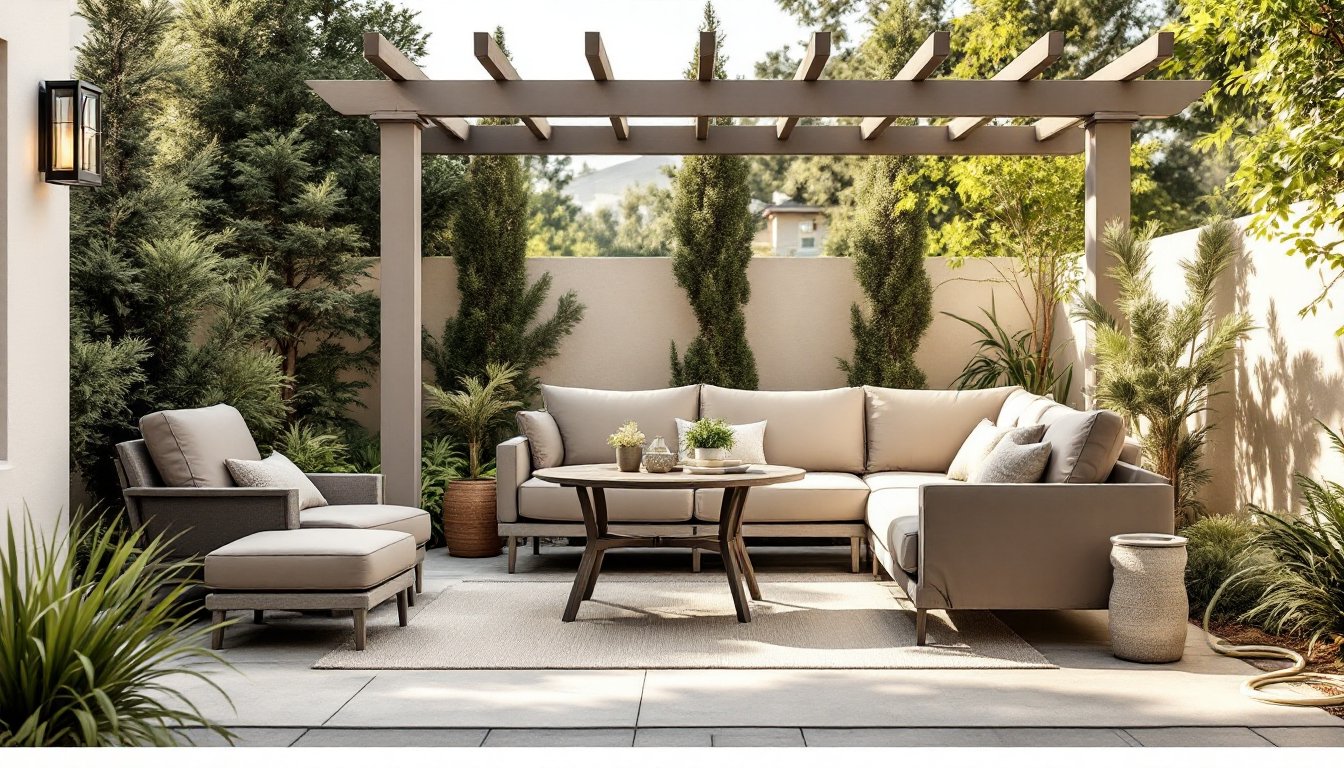
Outdoor patio furniture represents a real investment. Quality seating sets, dining tables, and lounge chairs cost anywhere from a few hundred to several thousand dollars, and they’re exposed to sun, rain, wind, and seasonal temperature swings year-round. Without protection, UV rays fade finishes, moisture causes wood rot and rust, and debris scratches surfaces. Patio furniture covers aren’t optional extras: they’re essential maintenance tools that extend the life of outdoor pieces by years. The right cover keeps upholstery dry, prevents mildew, protects metal from oxidation, and shields wood from weathering. In 2026, material science has caught up: today’s covers are durable, breathable, and designed to fit real furniture shapes, not generic boxes. This guide walks through what to look for, how to choose the right fit, and how to maintain your covers for long-term protection.
Key Takeaways
- Quality patio furniture covers protect your investment by preventing UV fading, moisture damage, rust, and mildew, extending furniture life by years while reducing seasonal maintenance.
- Choose the right material based on climate: breathable 600+ denier polyester or acrylic for wet areas, solution-dyed acrylic for sunny climates, and avoid vinyl for long-term outdoor use due to condensation buildup.
- Custom-fit covers offer superior protection and durability compared to universal covers, making them worth the extra cost ($50–$200) for permanent or high-value furniture pieces.
- Proper installation and maintenance—securing covers with straps, keeping furniture dry before covering, and cleaning covers every 2–3 months—ensures maximum protection and longevity.
- Measure your furniture accurately before purchasing and compare dimensions to manufacturer sizing charts to ensure a snug, effective fit that resists wind and shifting.
Why You Need Quality Patio Furniture Covers
Patio furniture takes a beating. Sun exposure fades paint and varnish within one to two seasons, especially on darker finishes. Moisture, whether from rain, morning dew, or humidity, seeps into wood grain and metal fasteners, triggering rot, rust, and corrosion. Mildew thrives in damp climates and can spread to cushions and fabric in weeks. Tree sap, pollen, and fallen leaves cling to surfaces and degrade finishes when left to dry. Even covered under a patio roof, furniture absorbs ambient moisture and UV light.
A quality cover acts as a shield against all of this. Quality patio furniture covers slow UV degradation, block moisture, and reduce the need for frequent cleaning and refinishing. For cushions, they prevent color fading and extend fabric life significantly. For wood pieces, they’re the difference between refinishing every few years and refinishing every decade. Metal furniture, aluminum, steel, or wrought iron, needs drying time after rain: a cover eliminates that gap and prevents rust formation at joints and welds.
Beyond protection, covers reduce seasonal maintenance. Rather than scrubbing off mildew, washing away pollen, or power-washing stains, you pull off a clean cover and enjoy ready-to-use furniture. This peace of mind alone justifies the cost.
Types of Covers Available
Weather-Resistant Materials
Polyester fabric dominates the cover market. Most covers use 200–600 denier polyester with a polyurethane or acrylic backing. At the lower end (200–300 denier), polyester is lighter and more affordable but degrades faster in UV-heavy climates, expect 2–3 seasons before fading. Mid-range (400–500 denier) balances durability and cost: it’ll last 4–6 seasons with proper care. High-end covers (600+ denier) are heavier, more tear-resistant, and can last 7+ years, but they cost more and trap moisture if ventilation is poor.
Solution-dyed acrylic is another option. It resists fading better than standard polyester because color is woven into fibers rather than applied to the surface. It’s costlier upfront but holds color through more seasons. Solution-dyed covers are ideal for bright sun climates (southern US, Southwest).
Vinyl-coated materials provide maximum water protection. They’re completely waterproof and won’t absorb moisture, but they don’t breathe, condensation can build underneath in humid climates. Use vinyl covers for seasonal storage in garages or sheds, not long-term outdoor use.
Look for covers with ventilation grommets or breathable membranes. These allow moisture to escape without letting water in, reducing mildew risk. Reinforced edges and stitching (double or triple-stitched seams) prevent fraying and ripping from wind.
Custom Vs. Universal Fit Covers
Universal covers are rectangular or draped blankets that fit multiple furniture shapes by size range. An “XL” universal cover might fit most 4-person dining sets or sectionals within that size bracket. They’re affordable ($30–$80) and work as emergency covers or for irregular shapes.
Custom-fit covers are tailored to specific furniture models or style categories (lounge chairs, sectionals, round tables). They use more fabric strategically and stay in place better during wind. Custom covers cost more ($50–$200+ depending on furniture) but offer superior protection and appearance because they don’t bunch or slip.
For long-term storage or permanent outdoor furniture, custom fit is worth the extra cost. For seasonal covers that rotate between multiple pieces, universal covers save money.
How to Choose the Right Cover for Your Furniture
Start by assessing your climate. In wet climates (Pacific Northwest, Southeast), prioritize breathable fabrics to prevent mildew, 600+ denier polyester with ventilation grommets or acrylic-backed materials work best. In arid climates, UV protection matters more: solution-dyed acrylic or darker polyester covers resist fading better. In moderate climates, 400–500 denier polyester balances cost and durability.
Measure your furniture accurately. Measure the length, width, and height of each piece. For chairs, measure seat depth, back height, and armrest width. For sectionals, get the full L-shape dimensions. Don’t estimate, bring a tape measure outdoors and write down specifics. Compare your measurements against the cover manufacturer’s sizing chart: most provide detailed fit ranges.
Consider your furniture material. Wood pieces benefit from breathable covers to allow wood to dry after rain: vinyl isn’t ideal. Metal furniture with powder-coat finishes can tolerate any breathable cover. Fabric cushions need covers that don’t trap moisture: avoid vinyl unless pieces will be stored indoors during humid seasons.
Evaluate wind exposure. If your patio catches consistent wind, choose covers with adjustable straps, tie-downs, or drawstring hems that secure to furniture legs. Loose covers blow away or shift, defeating their purpose.
Test before committing. If buying online, check the return policy. Some manufacturers offer 30-day returns: others don’t. A cover that doesn’t fit snugly or cause condensation under your specific conditions is worth exchanging.
Budget matters, but don’t cheap out on heavy-use furniture. A $300 sectional deserves at least a $80–$120 custom cover: skimping saves $30 now and costs $300 in premature wear later.
Installation and Maintenance Tips
Installing your cover properly prevents slipping and damage. Lay the cover over clean, dry furniture. If furniture is wet, dry it first or wait for weather to clear: putting a cover on damp furniture traps moisture and accelerates mildew. Smooth the cover from the center outward to eliminate wrinkles and air pockets. Secure straps or drawstrings around furniture legs or underneath the piece so the cover stays put during wind.
For lounge chairs, drape the cover fully over the seat and back, then tie straps under the frame. For tables, stretch the cover over the top and secure underneath using drawstring loops or carabiners. For sectionals, fit the cover snugly into corners and use tie-down anchors or weights to hold it in place.
Maintenance keeps covers performing. Every 2–3 months, inspect the cover for debris. Remove leaves, twigs, and pollen by hand or with a soft brush: don’t use pressure washers, which can damage seams. If you notice algae or light mildew (a greenish tint), spray with a 10% diluted white vinegar solution and let sit 30 minutes, then rinse with the garden hose. Dry the cover in the sun for 1–2 hours before replacing it.
Once yearly, hand-wash the cover if it’s heavily soiled. Use lukewarm water and mild dish soap. Scrub gently with a soft brush, rinse thoroughly, and air-dry completely before storing or reusing. Never use bleach, which degrades polyester fibers and acrylic coatings.
Store covers indoors during winter if you’re in a freeze-thaw region. Water trapped in seams can expand and tear fabric. In mild climates, covers can stay on year-round. Check tie-downs after heavy storms to ensure they’re still secure. Replace torn seams or large rips promptly: small damage spreads quickly once water infiltrates.
Conclusion
Patio furniture covers are practical, not optional. The right cover, chosen for your climate, furniture style, and space, adds years of life to outdoor pieces while cutting maintenance in half. Invest in a quality, properly fitted cover and stick to basic seasonal care. Your patio will stay protected, your furniture will look better longer, and you’ll avoid expensive refinishing or replacement down the road.