
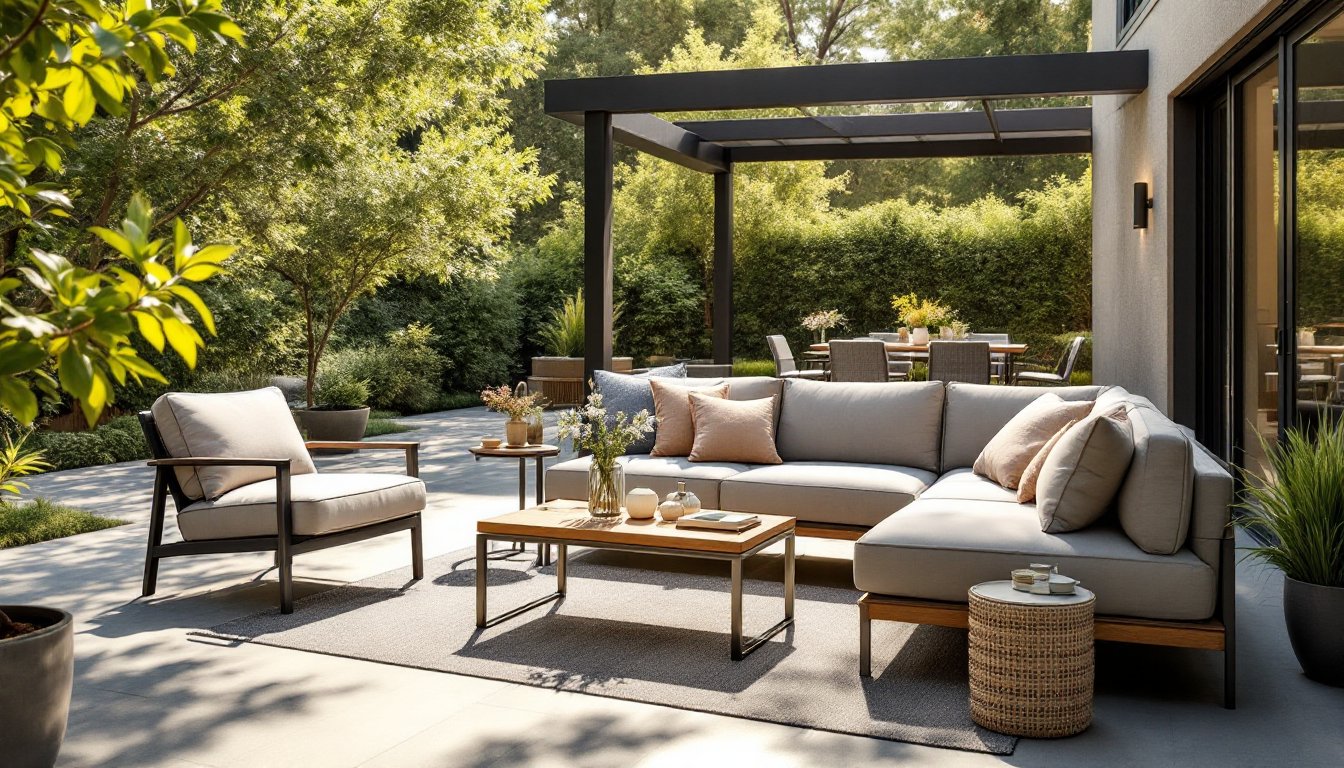
Outdoor living spaces have evolved from simple back-porch afterthoughts into full extensions of the home, and the furniture matters. Yardbird patio furniture represents a thoughtful approach to durability, design, and functionality that appeals to homeowners who want their outdoor spaces to look intentional and perform reliably. Whether someone is furnishing a small balcony or a sprawling deck, understanding what makes Yardbird stand out helps clarify whether it’s the right fit for their project. This guide walks through the brand’s core strengths, material choices, and real-world performance to help readers make an well-informed choice.
Key Takeaways
- Yardbird patio furniture prioritizes engineering and material durability over trend-chasing, using powder-coated aluminum, stainless steel, and solution-dyed acrylic fabrics that resist fading and environmental damage.
- The brand’s design philosophy emphasizes ergonomic proportions, timeless silhouettes, and premium construction techniques like TIG welding and reinforced joinery to ensure furniture remains functional and attractive for years.
- Yardbird’s modular, configurable collections allow homeowners to customize layouts and finishes, making it easy to integrate outdoor furniture into existing landscapes rather than feel like separate décor elements.
- Material choices in Yardbird patio furniture are specifically engineered for climate performance—aluminum resists rust and heat conduction, stainless steel handles salt-air corrosion, and teak naturally repels moisture and rot.
- Removable cushions, weather covers, and lightweight frames make Yardbird pieces practical for seasonal storage and repositioning, extending lifespan and reducing maintenance demands across different regions.
What Makes Yardbird Patio Furniture Stand Out
Yardbird has built its reputation on the principle that outdoor furniture shouldn’t require constant replacement. Unlike disposable budget options or pieces that fade and deteriorate within a season or two, Yardbird designs for longevity without sacrificing style.
The brand’s core distinction lies in three areas: material selection, engineering, and aesthetic restraint. Yardbird avoids the trap of trend-chasing: instead, they favor timeless silhouettes that work in contemporary and traditional settings alike. Their pieces prioritize clean lines and proportion over gaudy ornamentation.
Where many outdoor furniture makers cut corners on hidden structural elements, Yardbird reinforces joinery, uses marine-grade fasteners, and specifies materials rated for outdoor exposure. This means the customer isn’t paying a premium for fashion, they’re paying for engineering that stands up to weather, UV exposure, and the mechanical stress of frequent use.
Yardbird also invests in research around how people actually use outdoor spaces. Their seating depths, armrest heights, and table dimensions reflect real ergonomics, not just what looks good in a catalog photo. That attention to detail is what separates furniture that gets used daily from pieces that become eyesores after the novelty wears off.
Key Design Features and Materials
Premium Construction and Durability
Yardbird typically sources powder-coated aluminum or stainless steel for frame components, both proven choices for outdoor environments. Aluminum is lightweight and won’t rust, while the powder coat adds a durable finish that resists chipping and fading. Stainless steel offers even greater corrosion resistance, especially in coastal climates where salt spray accelerates deterioration.
For upholstery, Yardbird uses solution-dyed acrylic fabrics (such as Sunbrella or equivalent) that resist mildew, UV damage, and color loss. These fabrics are engineered so the color is built into the fiber itself, not applied as a surface treatment, a key reason they don’t fade like cheaper alternatives.
Framework welds and joinery are critical. Yardbird specifies TIG welding (tungsten inert gas), which produces stronger, cleaner welds than cheaper MIG methods. Joints are often reinforced with internal gussets or corner plates, reducing movement and extending the life of connections.
Wood components, when used, are typically teak or FSC-certified hardwoods treated with appropriate finishes. These species naturally resist rot and insect damage without relying solely on chemical treatment. Hardware, bolts, rivets, hinges, uses stainless steel or marine-grade zinc-plated materials to prevent corrosion and discoloration where metal contacts fabric or wood.
Aesthetic Appeal and Style Options
Yardbird’s design language emphasizes modularity and adaptability. Many collections offer sectional configurations, allowing customers to build layouts that fit their specific space and entertaining style. The palette typically leans toward neutral tones, grays, taupes, charcoal, that complement most home exteriors rather than dictate a narrow aesthetic.
Detail choices reveal design sophistication. Stitching on cushions often features edge-bound piping or topstitching that’s tight and even, hallmarks of quality upholstery. Seat cushion thickness and density vary by collection, with premium lines featuring 5-inch or deeper cushions versus budget-tier 2-3 inch pads that compress and harden quickly.
Finishes on metal frames might include matte, satin, or polished options, letting customers match existing deck railings, door hardware, or other outdoor fixtures. This flexibility helps Yardbird pieces integrate into existing landscapes rather than feel like appliances dropped into the yard.
Collections and Product Range
Yardbird’s portfolio spans several tiers, each targeting different budgets and use cases. Entry-level collections emphasize solid engineering and versatile styling at an accessible price, appealing to first-time outdoor furniture buyers. Mid-tier options expand fabric choices, material options, and design variety without dramatically inflating cost.
Premium collections introduce integrated features like built-in storage benches, adjustable backs, or weather-resistant side tables with embedded drainage. Some collections integrate fire tables or modular sectionals with chaise extensions, useful for sprawling layouts. High-end selections may offer custom cushion sizes, back-order options for specialized fabrics, or bespoke finish requests.
Yardbird also produces lounge chairs, dining sets, swings, and shade solutions (umbrellas, pergolas) that coordinate with seating collections. This ecosystem approach means a homeowner can furnish an entire outdoor room with cohesive design language.
Product tiers also reflect regional availability and sales channels. Direct-to-consumer options sometimes offer better pricing than big-box retailers, though shipping costs and assembly responsibility shift to the buyer. Understanding the tier structure helps buyers match expectations about price, lead time, and customization flexibility.
Performance in Different Climates and Seasons
Yardbird’s material selections shine where weather extremes are common. In hot, sunny climates, solution-dyed fabrics and UV-stabilized coatings resist the fading and brittleness that plague cheaper outdoor textiles. Aluminum frames don’t conduct heat the way metal benches do, making them safer in peak sun.
In humid or coastal regions, stainless steel hardware and powder-coated aluminum frames resist the corrosion that accelerates failure in high-salt-air environments. Teak wood, if used, naturally sheds moisture and resists rot, key advantages over pine or untreated hardwoods that waterlog and splinter.
Winter storage is relevant for much of North America. Yardbird cushions can be removed and stored indoors, reducing UV and moisture exposure during off-season months. Many collections include weather covers or optional storage solutions for frames left outside. Lightweight aluminum frames make seasonal repositioning manageable without a second pair of hands, a practical consideration often overlooked in design reviews.
For homeowners in freeze-thaw climates, aluminum won’t expand or contract the way steel can, reducing joint stress. Fabric won’t trap standing water in cushions if drainage holes or ventilation are adequate, preventing mildew and material degradation. Yardbird’s engineering reflects these realities, not just marketing claims.
Regional humidity also affects wood maintenance. In very wet climates, teak benefits from occasional cleaning and light oiling to maintain color: in arid regions, finishes last longer with minimal intervention. Yardbird’s care guides typically address these variables, helping owners set realistic expectations for upkeep.
Conclusion
Yardbird patio furniture succeeds because it treats outdoor living as a legitimate design priority rather than an afterthought. Material choices, engineering rigor, and thoughtful aesthetics justify the investment for homeowners ready to move beyond disposable furniture. Whether furnishing a cozy balcony or a full entertaining deck, understanding Yardbird’s approach to durability and design helps clarify if it aligns with a project’s goals and climate realities. The result is outdoor spaces that remain functional and attractive for years, not seasons.