
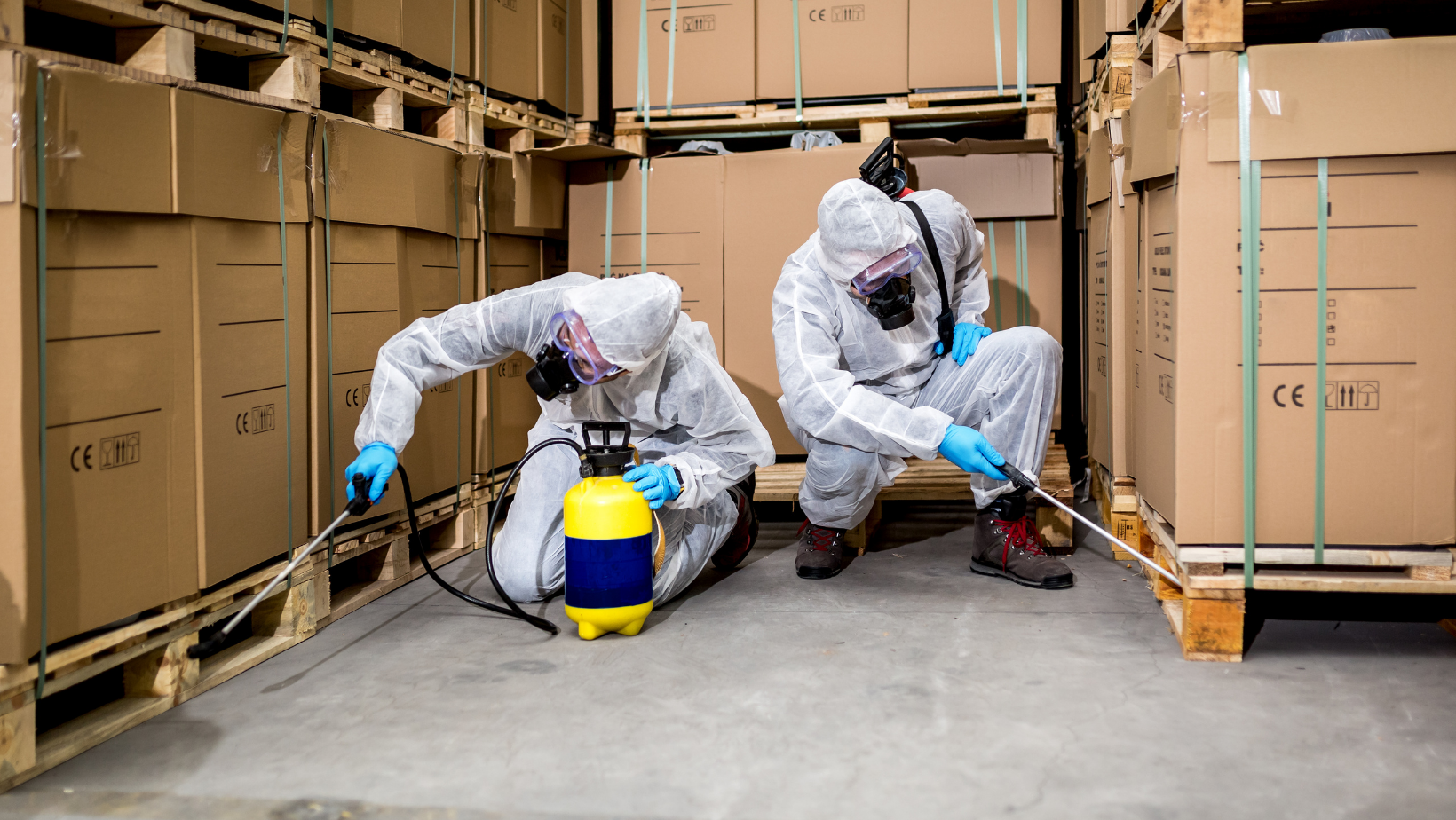
Homeowners today are paying closer attention to what goes into and around their homes. From energy-efficient upgrades to sustainable landscaping, people are becoming more intentional about protecting both their property and the environment. One area that often gets overlooked in these conversations, however, is pest control.
The truth is that pests can create serious problems for homes, health, and property value if left untreated. But at the same time, many homeowners are hesitant about treatments that may expose their families, pets, or gardens to unnecessary chemicals. That is why eco-conscious pest management has become one of the fastest-growing trends in home care.
Companies like Talos Pest Control are helping homeowners address pest problems through modern, targeted treatment strategies designed to be effective while remaining mindful of people, pets, and the environment.
The Growing Pest Challenges Facing Homeowners
Changing weather patterns, urban development, and warmer seasonal temperatures are all contributing to increased pest activity in many parts of the country. In regions like San Diego, homeowners regularly deal with pests such as:
- Ants
- Spiders
- Fleas and ticks
- Rodents
- Cockroaches
- Wasps and bees
- Mosquitoes
- Termites
Many of these pests are more than just a nuisance. Some can damage structures, contaminate food, trigger allergies, or create health concerns for both humans and animals.
Termites, for example, cause billions of dollars in structural damage across the United States every year. Rodents can spread bacteria and chew through wiring, while flea and tick infestations can impact both pets and families.
Because of this, homeowners are increasingly looking for long-term pest prevention strategies rather than temporary fixes.
Why DIY Pest Control Often Falls Short
One of the biggest mistakes homeowners make is relying entirely on store-bought sprays and temporary DIY solutions. While these products may reduce visible pest activity for a short time, they often fail to address the root cause of the infestation.
Many pest problems originate from:
- Hidden nesting areas
- Moisture issues
- Entry points around the home
- Landscape conditions
- Seasonal breeding cycles
- Structural vulnerabilities
For example, spraying ants inside the kitchen may eliminate a few worker ants, but it does not remove the colony outside the home. Likewise, treating visible termites without addressing the underlying infestation can allow damage to continue unnoticed.
Professional pest management focuses not only on eliminating active pests, but also on identifying why pests are invading the property in the first place.
The Shift Toward Eco-Conscious Pest Management
Modern homeowners want solutions that balance effectiveness with safety and sustainability. This has led to a major shift in how pest control companies approach treatment programs.
Eco-conscious pest management typically includes:
- Targeted treatment applications
- Reduced unnecessary chemical exposure
- Integrated pest management (IPM) strategies
- Preventative inspections
- Habitat modification
- Monitoring and exclusion techniques
Instead of relying solely on broad chemical applications, many professional companies now focus on precision treatments and long-term prevention.
This approach can help reduce environmental impact while still effectively controlling pest populations.
What Makes Integrated Pest Management Effective?
Integrated Pest Management, often called IPM, is one of the most important developments in modern pest control. Rather than using a one-size-fits-all approach, IPM combines multiple strategies to create a customized pest prevention plan.
A typical IPM program may include:
- Inspecting the property thoroughly
- Identifying pest species accurately
- Locating access points
- Reducing moisture conditions
- Recommending sanitation improvements
- Applying targeted treatments only where necessary
- Monitoring for recurring activity
The goal is to create an environment where pests struggle to survive or return.
This is particularly important in climates where pests remain active for much of the year.
Why Homeowners Should Take Preventative Pest Control Seriously
Many homeowners wait until they see visible pest activity before contacting a professional. Unfortunately, by the time pests become obvious, infestations may already be well established.
Preventative pest control can help homeowners:
- Protect property value
- Avoid costly repairs
- Reduce health risks
- Prevent recurring infestations
- Maintain a more comfortable living environment
Regular inspections are especially important for termites, rodents, and moisture-related pest issues because these problems often develop quietly behind walls or beneath flooring.
Early intervention almost always costs less than repairing extensive damage later.
The Importance of Pet- and Family-Friendly Solutions
One reason eco-conscious pest management has become so popular is because homeowners are increasingly concerned about indoor environmental quality.
Families today want pest solutions that fit within a healthier lifestyle. This includes:
- Reduced unnecessary exposure
- Safer treatment placement
- Responsible application methods
- Treatments designed with pets and children in mind
Professional companies that prioritize modern treatment methods are often able to provide highly effective results while minimizing disruption to the household.
For homeowners with dogs, cats, or small children, this peace of mind can be especially important.
Seasonal Pest Prevention Tips for Homeowners
While professional pest management is critical for serious infestations, homeowners can also take proactive steps to reduce pest activity around the property.
Some of the most effective prevention strategies include:
Eliminate Standing Water
Mosquitoes and many other pests thrive in moist environments. Remove standing water from:
- Gutters
- Flower pots
- Bird baths
- Yard drainage areas
Seal Entry Points
Small cracks around doors, windows, pipes, and vents can provide easy access for insects and rodents.
Store Food Properly
Keep pantry items sealed and clean up crumbs or spills quickly to discourage ants and cockroaches.
Maintain Landscaping
Trim shrubs away from the home and avoid excessive mulch buildup near the foundation.
Schedule Routine Inspections
Professional inspections can identify hidden issues before they become major infestations.
Choosing the Right Pest Control Company
Not all pest control providers use the same methods or philosophies. Homeowners should look for companies that:
- Offer customized treatment plans
- Prioritize inspection and prevention
- Explain treatment options clearly
- Use modern, targeted application methods
- Understand local pest pressures
- Emphasize long-term solutions
Working with a company experienced in local pest activity is particularly important because pest behavior varies significantly by region.
In Southern California, for example, year-round warm temperatures create unique pest challenges that require ongoing management rather than purely seasonal treatments.
Final Thoughts
Pest control is no longer just about reacting to infestations after they happen. Today’s homeowners are looking for smarter, more sustainable ways to protect their homes, families, and property investments.
Eco-conscious pest management offers a balanced approach that combines effective treatment with preventative strategies and responsible application methods. By focusing on long-term solutions rather than temporary fixes, homeowners can create healthier and more comfortable living environments while reducing the risk of recurring infestations.
For homeowners seeking a modern approach to pest management, companies like Talos Pest Control are helping lead the shift toward effective, eco-conscious pest solutions designed for today’s homes and lifestyles.