
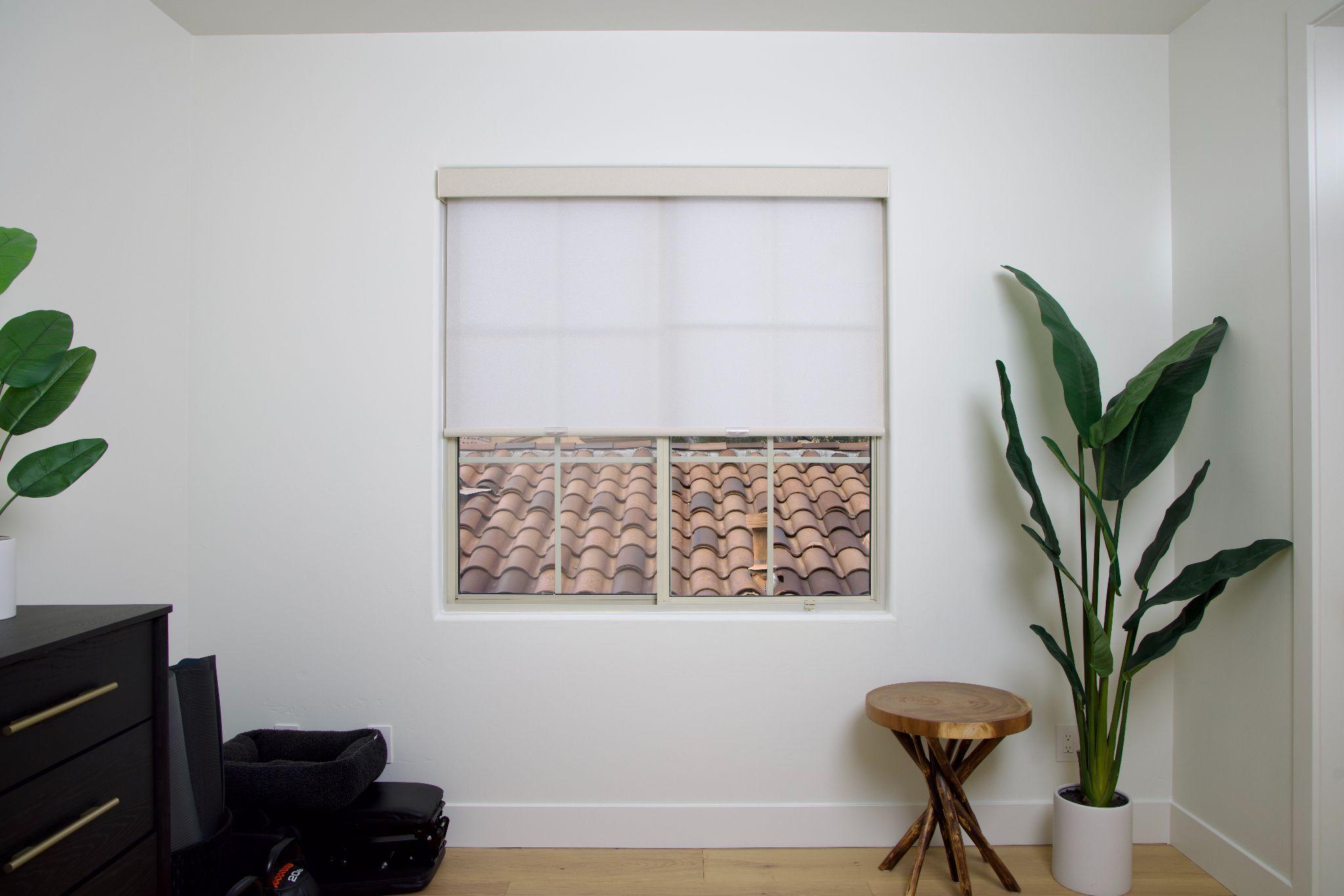
Some rooms only feel bad at certain times of the day. In Phoenix and Scottsdale, that is often when the sun hits one window too hard. The glass warms up, the floor gets bright, and one part of the room starts feeling uncomfortable.
That does not always call for a big project. Sometimes the window only needs better shade, cleaner glass, or a simple privacy layer. The room can be used without being in darkness and with some minor modifications.
Start With The Window That Causes The Most Trouble
Every home has that one window — the one you’ve been working around instead of fixing.
Maybe it’s the living room window that turns your afternoons into a heat trap. Maybe it’s the kitchen window throwing blinding glare across the counter by 10 a.m. Maybe it’s the bedroom window that makes the room feel exposed the moment the sun goes down. In Arizona’s intense climate, that “problem window” isn’t just an annoyance — it’s driving up your energy bill and making entire rooms uncomfortable for half the day.
The good news? Not every window has the same problem, and not every window needs the same solution. A west-facing window that absorbs brutal afternoon heat needs a different treatment from a bathroom window that only needs privacy. A TV room washed out by glare needs a different fix than a bedroom that simply feels too open at night. Once you identify exactly what your window is doing wrong, the right solution becomes clear.
That’s why the best place to start is with window coverings in Phoenix built specifically for the Arizona sun — not generic box-store shades that weren’t designed for this climate. The right covering doesn’t just block light; it addresses heat, glare, privacy, and comfort all at once.
Ready to stop working around your problem window? Visit Arizona Window Coverings & Closets to explore solutions designed for Arizona homes.
Check The Worst Hour, Not The Best Hour
Shade works better before the room heats up. Once the glass is hot and the floor is warm, the room is already harder to cool.
That may mean lowering a shade before the strongest sun hits. In hot rooms, it also helps to shade existing windows before the glass and floor start heating up.
The room does not need to feel closed. It just needs less sun coming in at the worst time of day.
Do Not Buy The Heaviest Covering First
Heavy curtains can block glare, but they can also make a room feel shut down. This is not always suitable for a well-lit house.
Blinds and shades work well because they do not have to be all open or all closed. They can be tilted, lowered halfway, or have a lighter fabric. The room gets more control without losing all the light.
For rooms that get strong afternoon sun, the right window setup can help with privacy while still keeping the space bright.
That kind of setup matters in rooms used all day. A living room should not feel dark just because the sun outside is strong.
Privacy May Only Be Needed In One Part Of The Window
Privacy does not always mean covering the whole window. Sometimes the problem is only at eye level. That happens with front rooms, street-facing bedrooms, and windows near a neighbor’s yard.
A lighter fix can work better there. Angled blinds, top-down curtains, or cafe curtains can provide privacy while allowing light to pass through. The room still gets light, but it feels less exposed.
This is useful in kitchens and sitting rooms. They need light during the day. They just need a little more control.
Clean The Glass Before Judging The Room
Clean glass is easy to forget, but it helps. Dust, water spots, and fingerprints can make a sunny window look dull. In Phoenix and Scottsdale, this happens fast because the air is dry and dusty.
Clean glass will not cool the room on its own. Still, it makes the window feel fresher. A simple shade also looks better when the glass behind it is not cloudy or streaked.
Look At What The Sun Hits Inside
The window is not always the only problem. Sometimes the problem starts after sunlight hits tile, shiny floors, light counters, or glass tables. That is why glare control is not only about the window, but also about what the light hits once it gets inside.
A rug can help. So can a matte table, softer fabric, or a less shiny finish near the window. These small changes stop the light from feeling so harsh.
In Phoenix and Scottsdale homes, this matters because the sun does not stay gentle for long. Hard surfaces can make it feel even stronger.
Softer Colors Can Calm A Bright Window
Bright white can look clean, but it is not always the best choice near strong sunlight. In desert light, it can feel cold or too sharp.
Softer colors usually feel better near bright windows. Warm white, sand, taupe, light stone, and soft gray still keep the room light. They just do not bounce the sun back as hard.
The same goes for blinds and shades. A softer tone often looks better than stark white, especially near tile, stone, or warm wood.
Add A Second Layer Only Where It Helps
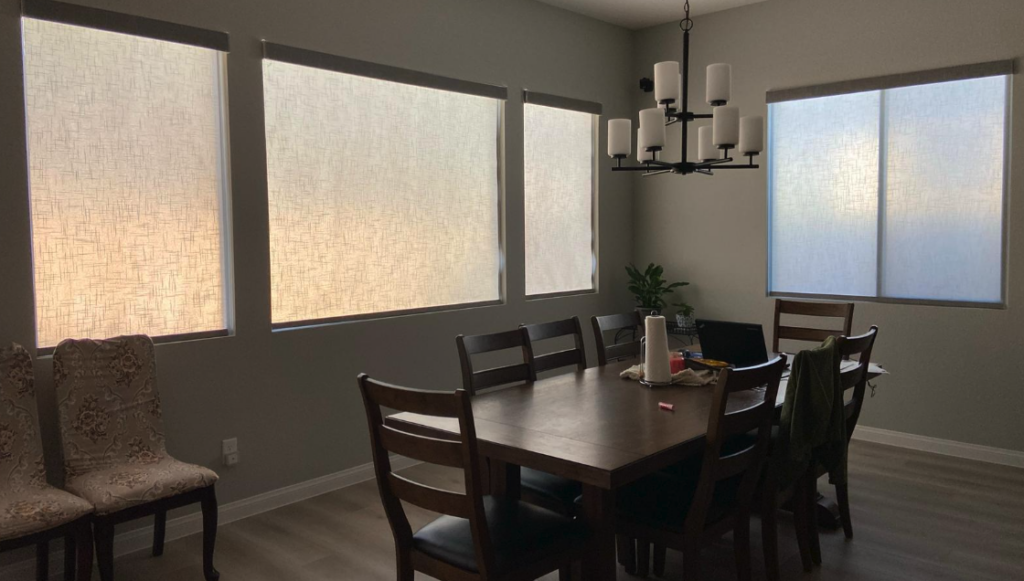
A window can feel fine during the day and too open at night. Once the lights come on inside, the glass changes. The room that felt bright and open can suddenly feel visible from outside.
This happens a lot in bedrooms, front living rooms, and dining rooms with large glass. Daytime privacy and night privacy are not always the same problem.
A second layer can help. A lighter shade can handle daytime glare. A stronger blind or curtain can help after dark. It does not need to look fancy. It just gives the room more options.
Small Fixes Should Solve A Real Problem
Not every window needs a full replacement. Many rooms feel better after a few small updates.
Simple fixes that often help include:
- Light-filtering shades for afternoon sun,
- Angled blinds for privacy without darkness,
- Clean glass for better daylight,
- A rug near bright windows,
- Softer colors around the window,
- A second layer for night privacy.
These changes are not dramatic. That is why they work. They fix the problem without changing the whole house.
The Room Should Feel Easier
A good window setup should make the room easier to use. It should stay bright without feeling harsh. It should feel private without feeling closed. The area near the glass should still feel comfortable when the sun is strongest.
That is the point of simple window updates. A window should bring in light. It should not make the room harder to live in.