
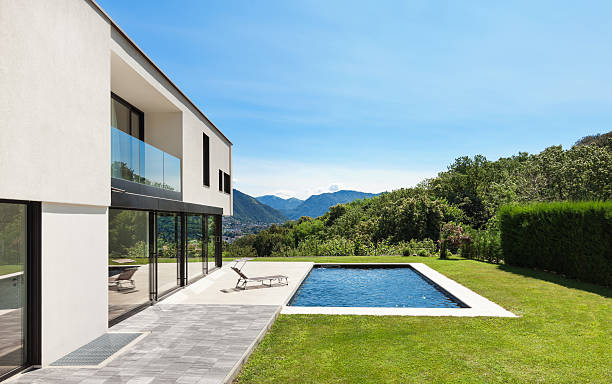
A new pool can make summer at home feel better right away. Still, the yard around it often needs as much attention as the water, patio, and furniture.
Pool construction changes grass, soil, drainage, and how people move through the backyard. If those changes are ignored, families can end up with muddy corners, dry patches, slippery paths, and a space that looks finished but feels hard to use.
Mistake 1: Expecting the Grass and Soil to Recover Alone
Pool installation is hard on turf. Heavy equipment, stacked materials, digging, and repeated foot traffic can press soil down and damage grass roots.
The problem may not show up right away. In summer heat, stressed grass can thin fast near equipment routes, hose lines, and new walking paths.
What to check first
Look for bare spots, ruts, yellow grass, muddy edges, and hard soil that water runs across instead of soaking into.
A quick screwdriver test helps. After watering, push a screwdriver into the soil. If it barely enters, the soil may be compacted and roots may struggle.
What to do instead
Fix soil before decorating the space. Remove leftover gravel, level shallow ruts, and use core aeration where the ground feels tight.
|
Yard problem |
Practical fix |
|
Small bare areas |
Patch with grass seed or plugs |
|
Wide turf damage |
Prep soil, then sod or reseed |
|
Hard soil |
Core aeration and compost |
|
Repeated foot traffic |
Add stepping stones or a clear path |
Avoid heavy fertilizer during extreme heat. Focus on soil repair, steady watering, and keeping people off weak areas until the turf settles.
Mistake 2: Ignoring New Drainage and Runoff
A pool changes how rainwater moves. Decking, patios, compacted soil, new slopes, and edging can send runoff to spots that stayed dry before.
That matters because drainage issues rarely stay small. A shallow puddle in July can lead to slippery surfaces, floating mulch, algae, and mosquito problems.
Watch the yard after rain
After a heavy storm, check for water pooling near the pool deck, soil washing into the pool, mulch moving out of beds, wet spots near the house, and puddles that last more than a day.
The U.S. EPA explains that runoff over hard surfaces can carry pollutants into storm drains before soil or plants can filter them. Around a pool, controlling water flow is part of good yard care.
Fix water movement before adding finishes
Drainage should come before plants, mulch, furniture, or decorative stone. If not, you may cover the problem and redo the same area later.
A practical order works best:
- Check slope around the pool and house.
- Move downspout water away from pool traffic zones.
- Keep soil and mulch below pool coping and door thresholds.
- Add drains or gravel channels where water needs a safer route.
- Call a qualified pro if water moves toward the home, pool shell, or a neighbor’s yard.
Mistake 3: Leaving Sprinklers on the Old Schedule
An irrigation setup that worked before construction may no longer fit. Sprinkler heads may spray the deck, miss new sod, or water shaded corners too often.
This mistake is easy to miss because the system still turns on. The real issue is coverage, timing, and overspray.
Why irrigation often needs changes
After a pool project, sprinkler zones may need adjustment because heads were moved, buried, blocked, or damaged. New hard surfaces no longer need water, while repaired turf may need lighter watering at first.
For homeowners building a new home or completely reworking their backyard, it’s worth thinking about irrigation early in the process. Services such as sprinkler installation for new homes in Maryland can help ensure watering systems are planned around the property’s layout, sun exposure, planting areas, and outdoor living spaces from the start.
How to reset watering
Run each zone during daylight and watch a full cycle. Mark dry spots, overspray, low pressure, and puddling.
Then make three basic changes:
- Aim heads toward grass and plants, not the pool or patio.
- Water newly repaired areas lightly at first.
- Reduce watering in newly shaded areas.
Iowa State University Extension recommends keeping newly seeded lawn surfaces moist at first while avoiding runoff, then watering less often but more deeply once grass grows taller. That is different from a fixed summer timer for established turf.
Mistake 4: Choosing Plants and Materials Only for Looks
Plants and hard surfaces can make a pool area feel calmer, but looks should not be the only test. Summer use brings wet feet, dropped towels, pool toys, leaf litter, and constant walking.
A plant that looks small now may block a path later. A smooth stone that looks clean may feel slippery when wet or too hot in full sun.
Plant choices that create extra work
Be careful with plants that drop flowers, fruit, needles, or tiny leaves. Also, avoid aggressive roots near paving or plumbing, constant-pruning plants near walkways, and plants that push mulch into splash zones.
Use low-litter plants near the pool, keep larger shrubs farther back, and leave space for pruning. Stable edging also helps keep mulch out of the water.
Materials need a wet-feet test
Before choosing a surface, ask if it gets too hot, turns slick when wet, drains well, feels comfortable barefoot, and handles chlorine splash.
Branch & Stone’s article on timeless custom pool design ideas that age well over time is a useful related read because it focuses on choices that stay practical beyond short-term trends.
Mistake 5: Forgetting How the Backyard Will Actually Be Used
A pool area can look complete and still feel frustrating. Families notice this when towels have no place to go, guests cross wet grass, or chairs sit in full afternoon sun.
Daily use matters more than a perfect first photo. Summer pool life includes kids, pets, snacks, toys, shade needs, cleaning tools, and wet feet.
Common layout problems
Look for repeat problems like no dry path from the house, seating too far from shade, storage across the yard, grill smoke blowing toward swimmers, and no towel or sandal drop zone.
These small details decide if the pool area feels easy or annoying.
Plan around real routines
Picture a normal Saturday. Someone carries drinks outside, kids need towels, guests look for shade, and pool tools need a safe storage spot.
Use this quick check:
- Mark the main walking paths.
- Keep furniture out of those paths.
- Add shade where people sit longest.
- Create one towel and sandal area.
- Store chemicals away from food and children.
- Add lighting where people walk after dark.
For broader yard planning, Branch & Stone’s post on outdoor upgrades that add value to your property connects well because it looks at outdoor features from a comfort and use point of view.
Final Thoughts
A new pool changes the whole backyard, not just the swimming area. Grass, soil, drainage, watering, plants, materials, and walking paths all need a second look once construction is done.
The smartest approach is to watch how the yard behaves during real summer use. Fix water flow, restore soil, reset sprinklers, choose cleaner plants, and plan around daily family routines. The result is a pool area that is easier to care for and more comfortable all season.