
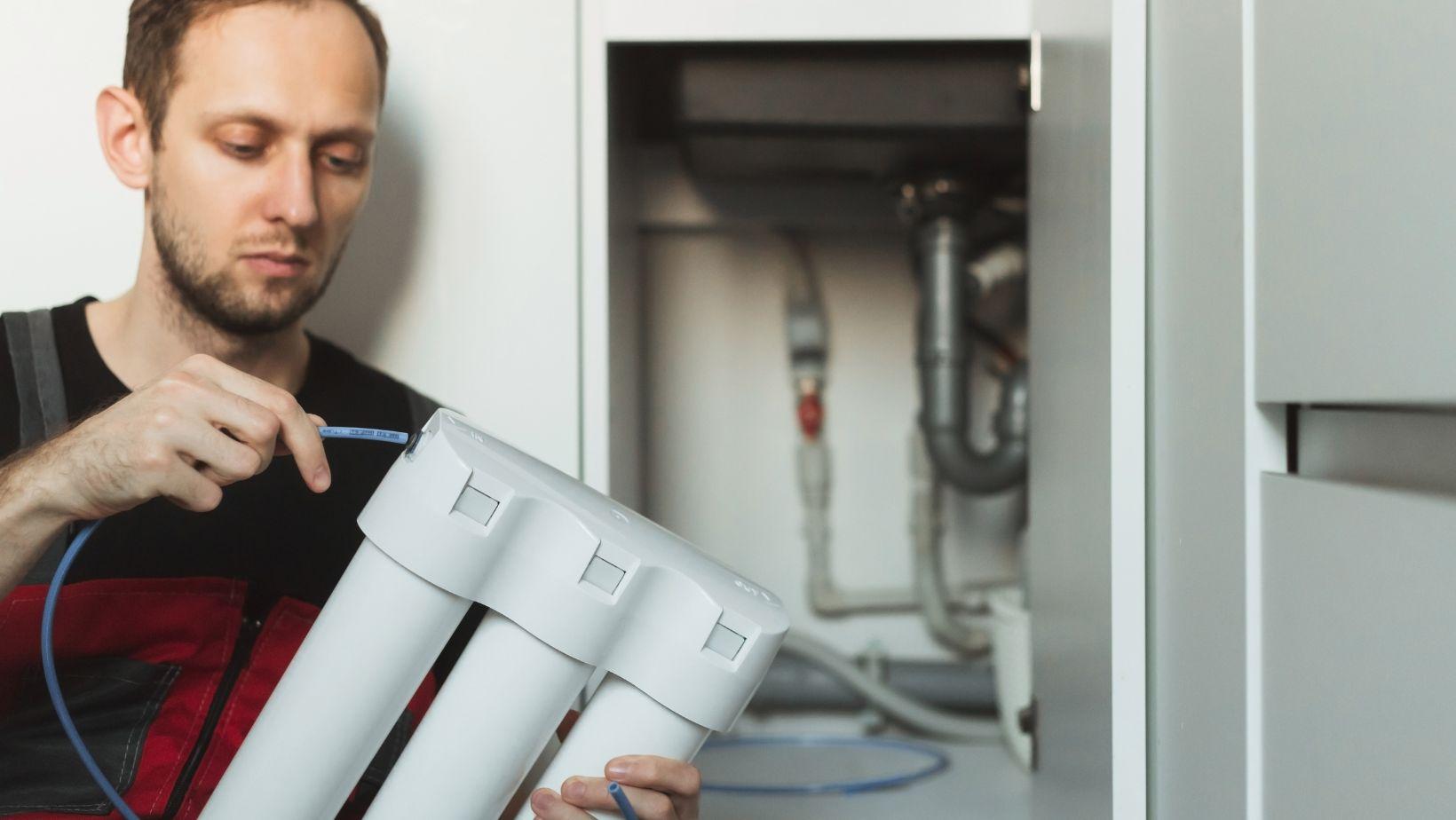
Water plays an essential role in everyday household activities, from showering and washing clothes to cleaning dishes and operating appliances. However, many homeowners throughout Fishers, Indiana, experience problems caused by hard water. Hard water contains elevated concentrations of dissolved minerals, primarily calcium and magnesium, which can create frustrating household issues over time.
Installing a water softener is an effective way to address these concerns. A properly selected system can improve cleaning performance, reduce mineral buildup, and help protect household appliances. Understanding the benefits of softened water can help homeowners determine whether a water treatment system is a worthwhile investment.
Protect Your Plumbing From Mineral Buildup
One of the most significant benefits of installing a water softener is reducing mineral deposits throughout your plumbing system.
Hard water can cause calcium carbonate scale to accumulate inside pipes, faucets, showerheads, and water-using appliances. Over time, these deposits may restrict water flow and increase maintenance requirements.
A water softener removes hardness minerals through a process called ion exchange, helping prevent new scale from forming.
Homeowners searching for water softener installers in Fishers, IN can turn to Cooper’s Water for professional water treatment solutions designed to address household water hardness.
Reducing mineral buildup can help preserve plumbing performance and minimize frustrating maintenance problems.
Extend the Lifespan of Household Appliances
Hard water can affect appliances that rely on water, including dishwashers, washing machines, and water heaters.
Mineral deposits may accumulate on heating elements and internal components, potentially reducing efficiency and increasing wear.
A properly installed water softener limits scale formation, helping appliances operate under more favorable conditions.
Although actual appliance lifespan depends on maintenance, usage, and equipment quality, reducing hardness-related buildup may help prevent premature problems.
For homeowners investing in expensive household appliances, softened water offers an additional layer of protection.
Enjoy Softer Skin and More Manageable Hair
Many homeowners notice differences in how their skin and hair feel after switching to softened water.
Hard water minerals can interfere with soap and shampoo performance, leaving residue behind after bathing.
This residue may contribute to skin feeling dry or hair appearing dull and difficult to manage.
Softened water allows soaps and shampoos to rinse more effectively, creating a cleaner bathing experience.
While water softeners are not medical treatments for skin conditions, reducing mineral residue can make daily showers more comfortable.
Improve Laundry Results
Hard water can make washing clothes more challenging because dissolved minerals interfere with detergent performance.
Clothing washed repeatedly in hard water may develop mineral residue, making fabrics feel stiff or appear less vibrant.
Softened water helps detergents work more effectively, allowing them to remove dirt and oils without interference from hardness minerals.
Homeowners may notice softer towels, cleaner clothing, and improved rinsing.
Using softened water can also reduce the amount of detergent needed for satisfactory results, depending on the product and washing conditions.
Spend Less Time Cleaning Bathrooms and Kitchens
Hard water frequently leaves white mineral deposits on faucets, sinks, shower doors, and bathroom fixtures.
These deposits can become stubborn and difficult to remove, especially when allowed to accumulate.
Installing a water softener helps reduce new mineral spotting and scale formation.
As a result, homeowners may spend less time scrubbing fixtures, removing soap scum, and cleaning glass shower enclosures.
Softened water can make routine household cleaning more manageable while helping fixtures maintain their appearance.
Improve Water Heater Efficiency
Water heaters are particularly vulnerable to mineral buildup because heating hard water encourages certain dissolved minerals to form scale.
These deposits can accumulate on heating surfaces, reducing heat transfer efficiency and increasing energy consumption.
A water softener helps prevent new hardness-related deposits, allowing water heaters to operate more efficiently.
The potential energy savings vary depending on the home’s water hardness, heater design, and water consumption.
Nevertheless, reducing scale is an important step toward maintaining reliable water heater performance.
Reduce Soap and Cleaning Product Usage
Hard water minerals react with soap, reducing lather and creating residue.
Consequently, homeowners may use additional soap, shampoo, dishwashing products, and laundry detergent to achieve their desired cleaning results.
Softened water improves the effectiveness of many cleaning products, potentially reducing the quantities required.
Over time, these reductions can provide additional household convenience and help offset some water softener operating expenses.
Make a Smart Investment in Your Home
Installing a water softener can provide numerous long-term benefits, including improved appliance performance, reduced mineral deposits, easier cleaning, and a more comfortable bathing experience.
Before purchasing a system, homeowners should consider their household’s water hardness, water consumption, plumbing configuration, and maintenance requirements.
Professional water testing can help determine the appropriate treatment equipment and system capacity.
For Fishers homeowners experiencing hard water problems, a properly installed and maintained water softener can improve everyday household comfort while helping protect plumbing fixtures and water-using appliances for years to come.