
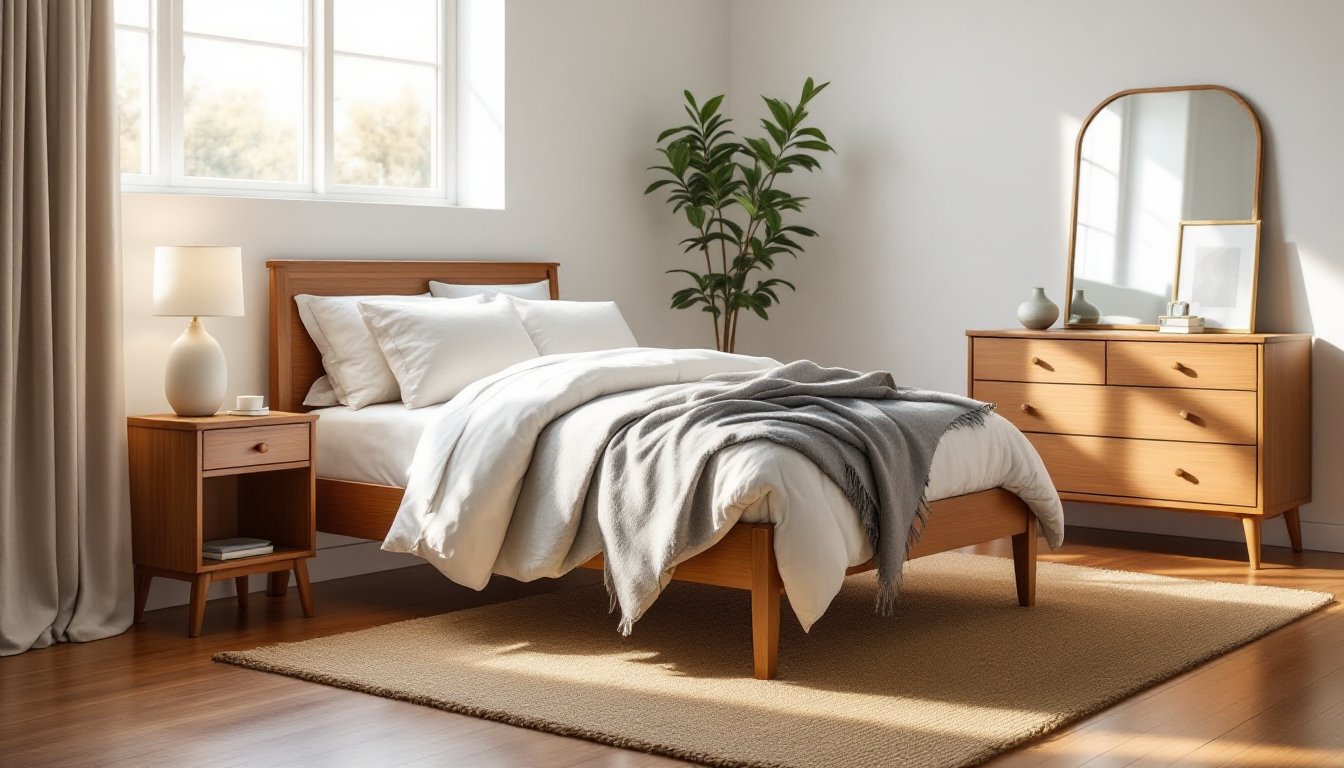
Shaker bedroom furniture has endured for centuries, not because of ornate carvings or flashy finishes, but because of its uncompromising simplicity and honest construction. The Shaker philosophy centers on functional design stripped of excess, making these pieces as relevant in a contemporary bedroom as they were in 19th-century communities. Unlike trendy styles that date quickly, Shaker design offers durability and timeless appeal. Whether someone is furnishing a bedroom from scratch or replacing tired pieces, understanding what makes Shaker furniture special helps clarify why it remains a smart choice. This guide walks through the hallmarks of Shaker bedroom design, the key pieces that anchor the style, materials that matter, and practical strategies for integrating these pieces into modern bedrooms.
Key Takeaways
- Shaker bedroom furniture endures because of its honest construction, clean lines, and functional design—not trendy elements that quickly become dated.
- Authentic shaker bedroom furniture uses solid wood with mortise-and-tenon or dovetail joinery, not particle board or veneers, ensuring pieces last generations.
- A complete shaker bedroom centers on core pieces—a low-profile bed, dresser with simple pulls, and nightstands with drawers—all using matching wood tones for cohesion.
- Shaker design pairs seamlessly with modern and Scandinavian aesthetics, providing storage without visual bulk and maintaining an uncluttered, calm bedroom environment.
- Style shaker bedroom furniture with natural fiber bedding, soft wall colors, simple lighting, and minimal accessories to respect the minimalist roots while creating warmth.
- Investing in shaker bedroom furniture is a sustainable choice because the timeless forms remain intentional and relevant for years, avoiding costly replacement cycles.
What Defines Shaker Bedroom Furniture
The Beauty of Minimalist Craftsmanship
Shaker furniture strips away decorative excess and emphasizes clean lines, proportional forms, and joinery that’s both functional and beautiful. Pieces showcase honest wood grain rather than paint or veneers designed to hide materials. Drawers sit flush with cabinet faces, no applied molding, no ornamental handles, yet the overall effect feels warm and intentional, never cold or sterile.
Joinery defines Shaker quality. Mortise-and-tenon joints, dovetail joints, and properly fitted frame-and-panel construction mean pieces hold together under real use. Drawers slide smoothly because they’re built to last decades, not seasons. A Shaker bedroom dresser isn’t engineered to impress at first glance: it’s built to function flawlessly for generations.
The style also emphasizes proportion and balance. A Shaker bed frame, for example, maintains visual lightness through tapered legs and restrained dimensions, even when fully constructed. Nightstands sit at appropriate heights with drawers and shelves positioned for practical access. Everything serves a purpose, there’s no decorative filler, yet nothing feels sparse or austere.
Craftsmanship standards matter when shopping for Shaker pieces. Mass-produced furniture sold as “Shaker-style” often cuts corners on joinery or uses veneers and particle board rather than solid wood. Genuine Shaker bedroom furniture prioritizes solid wood construction, dovetail or mortise-and-tenon joinery, and finishes that highlight wood character rather than hide it.
Key Pieces for a Complete Shaker Bedroom
A functional Shaker bedroom centers on a few core pieces that work together cohesively. The bed itself anchors the space, typically a low-profile frame with tapered legs, often in wood tones ranging from light cherry to warm walnut. A basic Shaker bed omits footboards or keeps them minimal, creating visual lightness.
The dresser serves both storage and display functions. A classic Shaker dresser features multiple drawers with simple pulls or knobs, sometimes topped with a low mirror. The mirror’s frame is typically straightforward, perhaps a simple beveled edge or frame of matching wood, never ornate.
Nightstands complete the essential trio. A Shaker nightstand is often a single-drawer design with an open shelf below, providing quick access to bedside essentials while maintaining the uncluttered aesthetic. Some designs include a single door rather than drawers.
Beyond these basics, bedroom benches, small chests, and wall-mounted shelves extend Shaker functionality. A bench at the foot of the bed offers seating and additional storage without visual bulk. Shelving units maintain the minimalist appearance while providing display space for books or décor.
When selecting pieces, consistency in wood species and finish matters. Mixing cherry with oak, for example, can feel disjointed. A cohesive Shaker bedroom uses matching or complementary wood tones and stain colors throughout, allowing the furniture’s form, not mismatched finishes, to define the space.
Essential Materials and Wood Choices
Solid wood is non-negotiable for authentic Shaker bedroom furniture. Cherry, maple, walnut, hickory, and ash represent traditional choices, all hardwoods that age beautifully and accept stain evenly. Softwoods like pine appear in reproduction pieces and offer warmth, though they dent more easily under use.
Cherry is popular for its fine grain, warm reddish-brown tone, and consistent staining properties. Maple offers tighter grain and a light natural color that ranges to golden honey when stained. Walnut provides rich, deep tones and striking grain variation. Each species behaves differently under stain and finish, so seeing samples in person matters, lighting conditions and monitor displays can mislead.
Finish quality separates quality pieces from budget options. A proper Shaker finish highlights wood character, typically using rubbed or hand-rubbed stains followed by oil, lacquer, or water-based topcoats. Industrial finishes applied by spray or dipping create uniform appearance but sometimes obscure wood grain. Many high-quality makers use multiple hand-applied coats and thinned stains rather than heavy topcoats.
Underlayment and hardware deserve attention. Drawer bottoms in solid pieces use either solid wood or quality plywood (not particle board), allowing drawers to slide smoothly for decades. Joints are glued and mechanically reinforced, never stapled. Hardware includes wood knobs or simple metal pulls in finishes like brushed brass or wrought iron. Pulls sit flush rather than protruding, maintaining clean lines.
When comparing options, inspect joints at corners, look inside drawers and doors for construction details, and ask whether wood is solid or veneer. Quality Shaker furniture costs more upfront but requires minimal maintenance and repairs over a lifetime.
Why Shaker Design Works in Modern Bedrooms
Modern bedrooms benefit from Shaker design’s restraint and functionality. Contemporary homes often prioritize open sightlines and uncluttered spaces, Shaker furniture delivers exactly that aesthetic without feeling institutional.
The style pairs seamlessly with contemporary and Scandinavian design movements, both emphasizing clean forms and honest materials. A Shaker bed with tapered legs and a simple headboard looks equally at home in a minimalist urban loft or a cottage bedroom. The proportions feel right beside modern nightstands, contemporary lighting, and minimal wall treatments.
Practically, Shaker design maximizes storage without visual bulk. A dresser with multiple drawers provides genuine capacity, yet the absence of applied molding or decorative details keeps it from dominating the room. Similarly, a bedroom chest doesn’t need ornamental feet or carvings to feel intentional and visually interesting.
Shaker furniture also ages gracefully. Unlike trendy pieces that feel dated within years, these forms remain relevant because they’re rooted in universal principles: proportion, honest materials, and functional design. A Shaker bedroom purchased today will still look intentional in ten years, making it a sustainable choice both practically and financially.
The flexibility extends to color and texture pairing. Warm wood tones coordinate with gray, white, or warm-toned walls. Textiles, linen bedding, wool blankets, natural fiber rugs, echo Shaker values of quality materials. This simplicity allows personal touches like artwork, plants, or collected objects to stand out without competing with busy furniture.
How to Style and Accessorize Shaker Furniture
Styling a Shaker bedroom means respecting the furniture’s minimalist roots while creating comfort and warmth. Accessorizing well enhances rather than obscures the design.
Start with bedding in natural fibers. Linen, cotton, or cotton-linen blends echo Shaker values and feel high-quality without visual fussiness. Solid colors or subtle patterns work better than bold prints that compete with furniture lines. Layer a wool blanket, cotton throw, or quilt in neutral or muted tones for texture and warmth.
Wall treatment sets the foundation. Soft whites, warm grays, or muted earth tones let Shaker furniture stand as the visual anchor. Paint or simple wallpaper in these palettes maintains the uncluttered aesthetic. Avoid heavily patterned wallpaper or contrasting accent walls that create visual noise.
Lighting should be functional and understated. Bedside table lamps with simple bases, wood, ceramic, or plain metal, fit the aesthetic. Swing-arm wall sconces or recessed lighting work well. Avoid ornate chandeliers or statement pieces that introduce competing visual interest.
Accessories require restraint. A small bookshelf, framed artwork, or a potted plant adds life without clutter. The Shaker principle applies: include items that serve a purpose or bring genuine joy, and avoid purely decorative objects. A few quality pieces matter more than numerous small items.
Displaying items on top of dressers follows the same logic. A mirror, a pair of lamps, and perhaps a decorative object or two create balance without looking cluttered. Nightstand surfaces typically hold a lamp, a small dish for keys or jewelry, and perhaps a book, nothing more.
For flooring, hardwood or natural fiber rugs ground the space. A simple wool or jute rug under the bed anchors furniture and adds warmth. Area rugs should be neutral and let the furniture and bedding provide visual interest.
Conclusion
Shaker bedroom furniture represents an investment in simplicity, craftsmanship, and longevity. Its timeless appeal lies in honest construction, restrained design, and materials chosen for function and beauty. Whether furnishing a new bedroom or refreshing an existing one, Shaker pieces provide a foundation that’s as practical as it is aesthetically satisfying. The style demands nothing but delivers everything, comfort, durability, and a bedroom that feels calm and intentional. By selecting solid wood, respecting the minimalist aesthetic, and accessorizing thoughtfully, anyone can create a Shaker bedroom that improves daily life for years to come.