
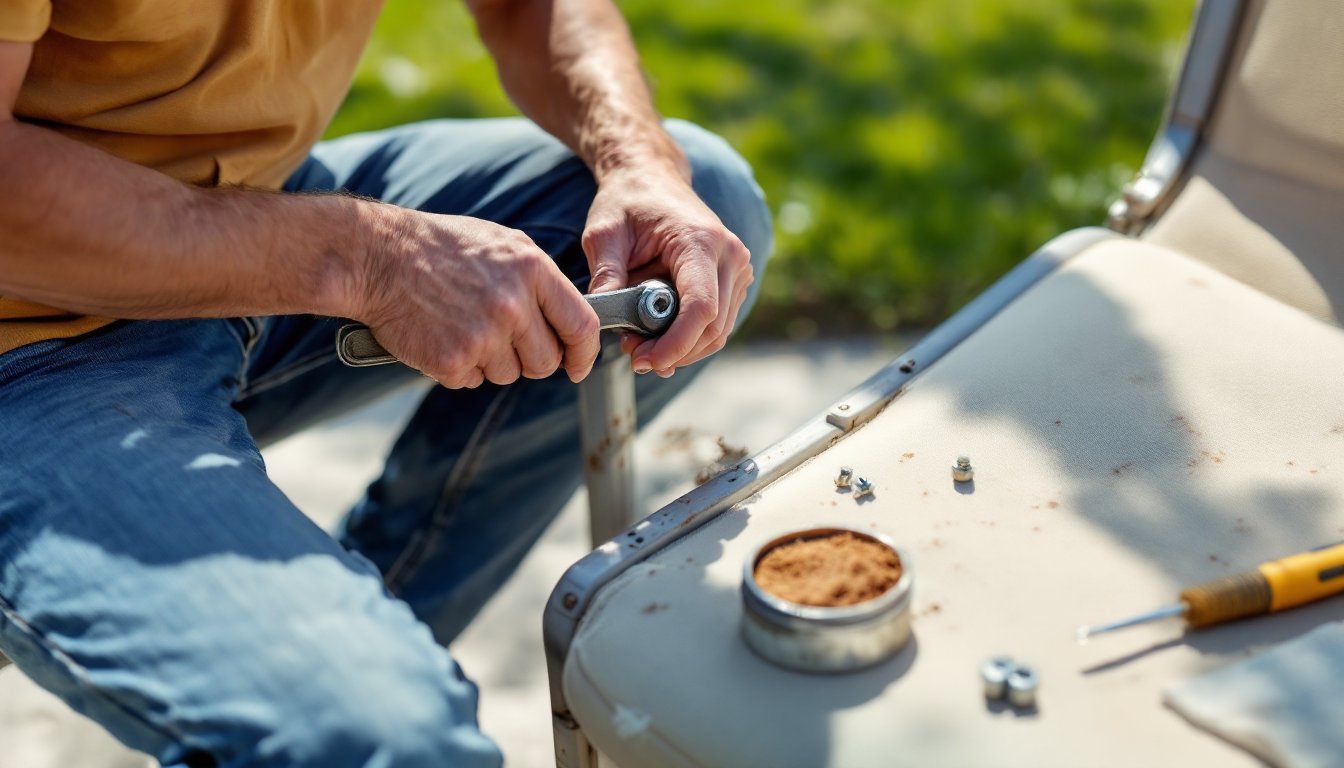
Brown Jordan furniture is synonymous with quality outdoor living. These pieces are built to last decades, but time, weather, and regular use do take a toll. A wobbly frame, torn cushion, or rust spot doesn’t mean a trip to the landfill, most issues are repairable with the right approach and tools. This guide walks through realistic assessment and repair strategies for Brown Jordan patio furniture, helping homeowners determine which fixes are DIY-friendly and which warrant a professional’s touch. Understanding the construction and common failure points is the first step to extending the life of these investment pieces.
Key Takeaways
- Brown Jordan patio furniture repair is achievable for most homeowners, with common issues like loose joints, rust, and torn cushions addressing through targeted DIY strategies using basic tools and materials.
- Inspect frames systematically for movement and cracks, tighten loose M6 or M8 bolts with thread-locking compound, and replace missing fasteners with stainless steel alternatives to restore structural stability.
- Treat aluminum oxidation with soft brushing and metal polish, while steel rust requires wire brushing, rust converter application, and protective primer to prevent further corrosion.
- Cushion damage including small tears, fading, and mildew can be repaired with fabric patches, upholsterer services, or replacement inserts, with measurements like 16″ × 16″ × 4″ guiding standard replacements.
- Wood elements require refinishing every 2–3 years with outdoor-rated sealers, while splits are filled with flexible wood filler and sealed to prevent moisture infiltration and rot.
- Professional help is essential for structural welding, extensive rust restoration, frame straightening, and widespread wood rot, protecting both safety and the investment in these quality outdoor pieces.
Understanding Brown Jordan Furniture Quality And Common Issues
Brown Jordan has manufactured outdoor furniture since 1945, and the brand’s reputation rests on solid construction methods and material selection. Their frames typically use aluminum alloy or steel (often with a powder coat finish), while higher-end models feature cast aluminum components or teak wood accents. This mix of materials means repair strategies differ significantly depending on the piece.
The most common damage patterns emerge predictably. Aluminum and steel frames develop surface corrosion and rust when the powder coat gets compromised, usually at joints, corners, and high-friction spots. Cushions split, fade, and lose fill after 5–10 years of UV exposure and moisture cycling. Wooden elements (armrests, accent slats, or table tops) crack, splinter, or rot if left unfinished. Welds occasionally crack under stress, and fasteners loosen from seasonal expansion and contraction.
The good news: Brown Jordan designs for serviceability. Parts are often available separately, joints are usually bolted rather than glued, and materials respond well to targeted repair. Assessing damage honestly upfront saves time and prevents sinking money into a piece that’s truly past saving.
Frame And Joint Damage: Assessment And Repair Strategies
Start by systematically inspecting the frame. Set the piece on a level surface and wiggle it from all angles, you’re looking for lateral movement or creaks that signal loose fasteners or cracks. Most Brown Jordan frames use M6 or M8 bolts at major joints, accessible with a wrench or socket set.
Loose joints are the easiest fix. Use a wrench to tighten bolts, working methodically around the frame. If bolts spin without resistance, the threads are stripped: remove the bolt, apply thread-locking compound (medium strength, like Loctite 243), reinstall, and let it cure per manufacturer instructions (usually 24 hours). This secures the joint permanently without seizing it if future disassembly is needed.
Cracked welds are visible as hairline fractures where frame members meet. Small cracks (under ½ inch) in non-load-bearing areas can be epoxied: clean the crack with a wire brush, apply two-part aluminum epoxy, and clamp or tape the joint while it cures. Larger cracks or fractures at stress points (seat support, leg junctions) require professional welding, this is not a DIY patch.
Loose or missing fasteners should be replaced immediately. Measure the bolt diameter and length (bring the piece or bolt to a hardware store if unsure), and purchase stainless steel or galvanized replacements to resist corrosion. Avoid over-tightening, snug is enough.
Metal Frame Corrosion And Rust Treatment
Aluminum frames rarely rust in the traditional sense, but they develop white or gray oxidation and pitting when the protective powder coat fails. Steel frames show red-brown rust spots, which spread if left untreated.
For surface corrosion on aluminum, use a soft-bristle brush or a Scotch-Brite pad to gently scour the affected area. Wipe clean with a damp cloth and dry completely. If corrosion is heavy, apply a metal polish or cleaner (like Flitz Metal Polish) following product directions, then rinse and dry. Paint is unnecessary unless the underlying metal is exposed and you want cosmetic restoration.
For light rust on steel, scrub with a wire brush or wire wheel attachment on a power drill. Work in circular motions, keeping the tool moving to avoid gouging. Once bare metal is visible, wipe away dust and immediately apply a rust converter (like Ospho) to chemically stabilize any remaining rust, or spray with rust-inhibiting primer followed by outdoor metal paint. This prevents the rust from spreading.
Heavy rust, thick, flaking, or pitting that compromises structural integrity, signals that the piece may not be worth saving unless it’s sentimental. A professional sandblasting and refinish can restore appearance but is costly and best reserved for heirloom pieces.
Upholstery And Cushion Repair Solutions
Cushion failure is the most common complaint with outdoor furniture. Brown Jordan cushions are typically foam-core wrapped in solution-dyed acrylic or poly-blend fabrics. Tears, fading, and loss of structural support are fixable with varying degrees of effort.
Small tears (under 2 inches) in cushion covers can be stitched or patched. Use a heavy-duty needle and outdoor-rated thread (often polyester), or apply a fabric patch kit designed for outdoor use, these adhere via heat or adhesive and create a water-resistant seal. For a more professional finish, send the cushion to an upholsterer for a seamed repair.
Flattened or compressed foam indicates the cushion has reached end-of-life if it won’t bounce back after several days of rest. The quickest fix is replacement cushions: Brown Jordan sells cushion covers and pre-made foam inserts that snap or fit into existing frames. Sourcing exact replacements keeps the aesthetic consistent. Measure your cushions (length, width, and thickness) before ordering, standard sizes are 16″ × 16″ x 4″ and 18″ × 18″ x 5″, but custom dimensions exist.
Fading is cosmetic but ages the furniture visually. Outdoor fabrics resist fading by design, but 7+ years of direct sun will lighten any color. If the cover is still structurally sound, consider having it professionally dyed or replaced. For budget-conscious repairs, a protective cushion cover or outdoor cushion storage during off-season slows further fading.
Water stains or mildew on cushions should be cleaned promptly. Mix a solution of 1 part white vinegar to 3 parts water, scrub gently with a soft brush, rinse with a hose, and allow to air-dry completely (ideally in sunlight, which aids mildew prevention). For stubborn mildew, a diluted bleach solution (1 part bleach to 10 parts water) works but test on a hidden area first to ensure colorfastness.
Wood Element Care And Restoration
Brown Jordan pieces that include teak, cedar, or painted wood armrests, accent slats, or table surfaces require different maintenance. These woods expand and contract seasonally, so cracks and splits are inevitable unless sealed.
Unfinished or lightly sealed wood should be refinished every 2–3 years. Start with 120-grit sandpaper to remove surface dirt, UV damage, and old finish. Sand with the grain in long strokes, not circular motions. Progress to 150-grit for a smooth surface, then wipe with a tack cloth. Apply an outdoor-rated clear sealer or spar polyurethane, these are formulated to flex with wood movement and resist moisture infiltration. Follow manufacturer drying times between coats (typically 4–8 hours), and apply at least two coats.
Splits and checks (small cracks) in wood are cosmetic unless they trap water. If a crack is deep or widening, use a thin putty knife to work in a flexible outdoor wood filler or epoxy, sand flush once cured, and seal the area. Deep structural cracks may require professional assessment, extensive checking can signal internal rot or loose wood that affects integrity.
Painted wood can be refreshed by light sanding and a new coat of exterior paint. Use 100-grit sandpaper to dull the old finish, clean thoroughly, prime any bare wood, and apply two coats of outdoor-rated acrylic or enamel paint. Avoid glossy finishes: satin or matte hides dust and dirt better.
Rot or soft spots indicate moisture damage. Press a screwdriver into the wood, if it sinks easily, the wood is compromised. Small localized rot can be cut out and filled with epoxy, but widespread rot typically means replacing that component. Check with Brown Jordan or specialist suppliers for replacement armrests or slats.
When To Seek Professional Help Versus DIY Repairs
Knowing your limits prevents costly mistakes and safety hazards. Most cosmetic repairs, fastener tightening, and straightforward cleaning fall squarely into DIY territory. Loose bolts, corroded surfaces, faded cushions, and minor wood damage are projects a homeowner with basic hand tools can tackle in an afternoon.
Call a professional for:
- Structural welds or cuts: Aluminum and steel welding requires skill, proper equipment, and technique to avoid weakening the joint. Poor welds fail under load, risking collapse.
- Extensive rust or metal loss: If rust has created pits deeper than surface level, sandblasting and refinishing is beyond typical DIY scope. Upholsterers and metal restoration specialists have the equipment and expertise.
- Upholstery replacement: While simple repairs suit DIY, recovering cushions or reupholstering seats often requires a professional. Pattern matching, seaming, and foam cutting are specialized skills.
- Frame straightening: If a frame is bent or twisted (not from loose joints but from actual deformation), straightening demands leverage, jigs, and knowledge of metal properties, risk of cracking or further bending is high.
- Rot or wood replacement: Extensive wood damage that involves cutting and fitting replacement pieces is best left to a furniture restorer or carpenter.
Get professional quotes before committing to major repairs. For pieces over 20 years old or those of significant sentimental value, investment in professional care often justifies the cost. For newer pieces with minor damage, DIY saves money and builds skills.
Conclusion
Brown Jordan patio furniture’s quality construction means most damage is repairable rather than reason to discard. Tightening fasteners, treating corrosion, refreshing finishes, and replacing cushions address the vast majority of aging issues. Start with honest assessment, use the right materials (stainless fasteners, outdoor-rated sealers, and fabric patches), and don’t hesitate to call a professional when structural repair or welding is needed. Regular maintenance, rinsing, sealing wood, and storing cushions off-season, prevents many problems before they start. With attention and care, these pieces outlast trends.