
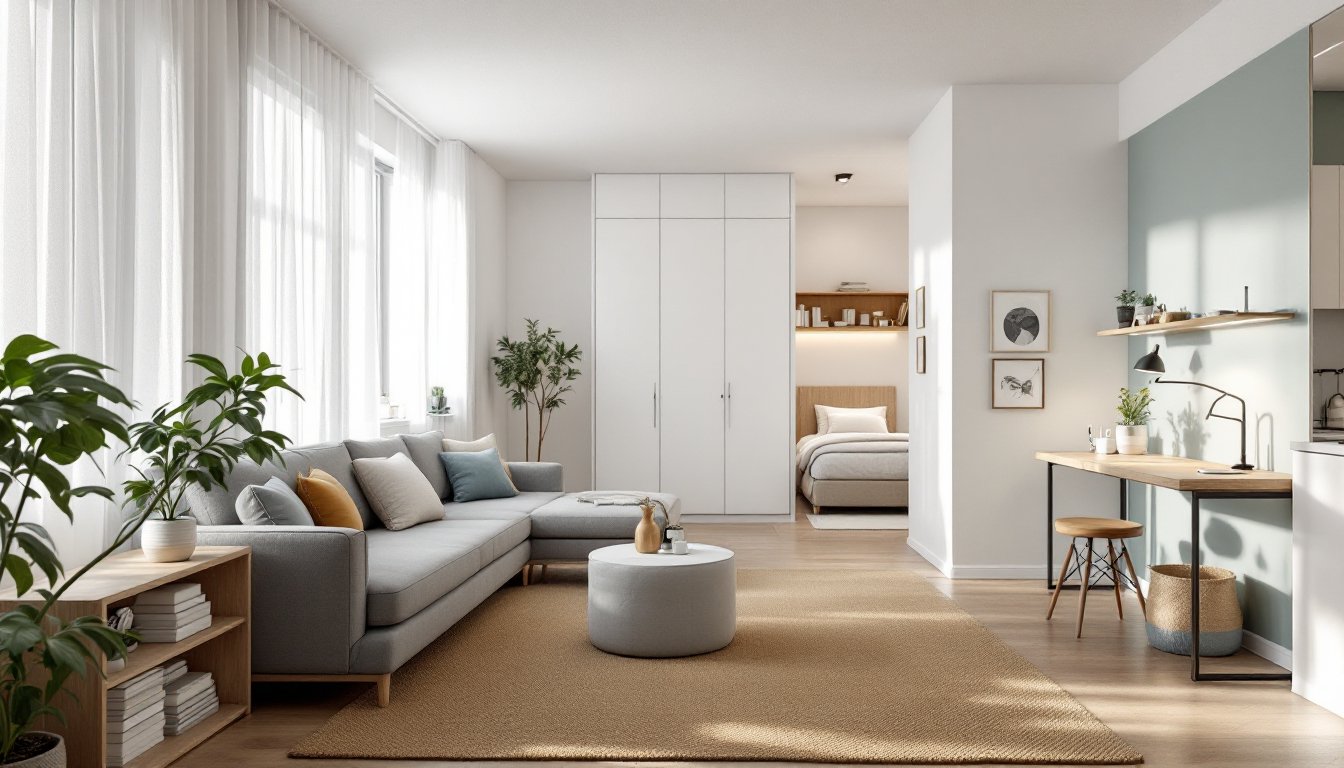
Living in a studio apartment means every square foot counts. Without the luxury of separate rooms, residents face the challenge of fitting sleeping, working, cooking, and living into one compact space. The difference between a cramped box and a comfortable, functional home comes down to furniture layout strategy. By choosing the right pieces and arranging them thoughtfully, anyone can transform a studio into a place that feels open, organized, and livable. This guide walks through practical, proven methods for maximizing studio apartment space without sacrificing comfort or style.
Key Takeaways
- Studio apartment furniture layout success starts with measuring your space, identifying zones (sleeping, living, working, cooking), and prioritizing traffic flow to avoid a cramped feeling.
- Multi-functional furniture pieces like sofa beds, storage ottomans, nesting tables, and wall-mounted desks are essential for maximizing studio apartment layout and reducing clutter.
- Create visual separation between zones through strategic furniture arrangement, bookshelves as soft dividers, angled placement, and rugs—not just wall-to-wall positioning.
- Vertical storage solutions including floating shelves, pegboards, wall organizers, and tall narrow furniture significantly reduce floor clutter and improve space efficiency in studios.
- Layered lighting (ambient, task, and accent) combined with strategic color use creates the illusion of separate rooms and defines different activity zones without physical walls.
- Mirrors opposite windows and medium-toned rugs with subtle patterns anchor zones, enhance light distribution, and make studio apartments feel airier and more organized.
Assess Your Space and Define Zones
Before moving a single piece of furniture, measure and map your studio. Grab a tape measure and note the exact dimensions of your apartment, including ceiling height, window locations, door swings, and any architectural features (radiators, closets, load-bearing walls). A rough sketch or smartphone photo with measurements written on it beats guessing later.
Once you have the measurements, identify your zones. A studio needs sleeping, living, working, and cooking areas, but they don’t require separate rooms, they require visual and functional separation. Mark out where each activity will happen. The sleeping area typically goes farthest from the main entrance (usually near a window if available, for natural light and privacy from the living zone). Working and living spaces occupy the middle ground, while the kitchen anchors a corner or galley section.
Consider traffic flow. Furniture should never block direct paths to doors, windows, or the kitchen. A cluttered walkway makes a small space feel smaller and creates daily frustration. Place larger pieces (bed, sofa) against walls to open the visual center of the room. Avoid floating furniture in the middle of the space unless a rug and thoughtful arrangement clearly define a seating area. Heavy pieces positioned awkwardly waste both space and function.
Choose Multi-Functional Furniture Pieces
Studio living demands furniture that earns its footprint by serving double duty. A bed that only sleeps or a table that only eats is a luxury you can’t afford in a studio. Multi-functional pieces slash clutter and maximize usable square footage.
Sofa Beds and Storage Ottomans
A quality sofa bed transforms a studio from a bedroom that happens to have a living room into a true dual-zone space. Modern sofa beds have come a long way, look for models with firm support for both sitting and sleeping, not flimsy futons that sag after a year. Brands like Room & Board, Article, and West Elm offer solid mid-range options with good reviews for nightly use. Position a sofa bed perpendicular to your bed or in the main living zone, depending on your layout preference.
Storage ottomans are underrated studio heroes. They provide seating, footrests, hidden storage for blankets, pillows, or off-season clothes, and can anchor a living area. An ottoman 18–24 inches square works well in most studios. Pair it with a sofa (if you have room) or place it opposite a chair. Avoid oversized ottomans that consume precious floor space without proportional storage benefit.
Nesting Tables and Wall-Mounted Desks
Nesting tables (2–3 tables that nest inside each other) solve the “I need a coffee table and a side table but only have floor space for one” problem. Pull them apart when you need surface area: stack them in a corner when you don’t. Wood or metal frames look cleaner than bulky glass options in small spaces.
Wall-mounted desks are essential if you work from home. A fold-down desk (sometimes called a Murphy desk) or a simple wall-mounted shelf desk (24–30 inches wide) provides a legitimate work surface without consuming floor space. Pair it with a comfortable chair that you can tuck under the desk or store elsewhere when not in use. Avoid desk sizes over 48 inches wide in a studio, they dominate visually and limit flexibility.
Arrange Furniture to Create Visual Separation
In a studio, zones are created through arrangement, not walls. Strategic furniture placement signals to your brain (and guests) where one area ends and another begins.
Use bookshelves or low dividers as soft boundaries between sleeping and living zones. A 4–5 foot tall bookshelf doesn’t block sight lines like a wall would but clearly separates the bed from the sofa. Keep the back of the bookshelf organized and attractive, people will see both sides. This also improves traffic flow by creating a subtle pathway.
Angle furniture to define zones without blocking them. A sofa pulled slightly away from a wall and angled toward a seating area creates a distinct “living room” within the studio. The area behind the sofa (or the wall itself) becomes the boundary. Avoid pushing all furniture flush against walls, it makes the space feel like an empty box with stuff around the edges.
Rugs are your layout’s invisible worker. A 5×7 or 6×9 rug under a seating area anchors the zone, warmth underfoot, and visually shrinks a large empty floor. Choose a color that complements your palette but doesn’t disappear. Medium tones with subtle patterns hide wear better than bright solids in a high-traffic studio. Rugs also help define the sleeping zone when placed under the bed or beside it.
Use Vertical Space to Reduce Floor Clutter
Floor space in a studio is prime real estate. Anything that can climb a wall should. This is where studio living really shines, vertical storage and decor change the entire feel of your space.
Wall shelving above desks, beds, and seating areas holds books, plants, art, and decor without eating floor space. Floating shelves (12–24 inches deep) mounted at eye level or higher add visual interest and keep necessities within reach. Avoid overloading shelves, too many items look chaotic and amplify the “small space” feeling.
Pegboards, wall-mounted organizers, and hooks handle everyday items. Keys, bags, headphones, and jackets belong on walls, not on chairs or countertops. A pegboard above a desk costs minimal floor space and declutters instantly. Paint it a neutral color to blend with your wall or a bold shade to become a design feature.
Tall, narrow furniture (like a slim bookcase or skinny shelving unit) uses vertical volume efficiently. A 5-foot tall, 18-inch wide bookcase holds as much as a wider, shorter piece but feels less bulky in a studio. Corner shelves are often overlooked, mount one where two walls meet to gain storage without blocking pathways.
Ceiling-mounted solutions work for items you don’t access daily. Bike racks, fold-down desks, and retractable drying racks mount overhead, leaving your floor and walls clear for living.
Apply Color and Lighting to Define Living Areas
Paint and light are invisible furniture pieces that dramatically reshape how a studio functions and feels. Strategic color use creates visual boundaries as effectively as physical dividers.
Accent walls or bold color blocking separates zones without taking up space. If your sleeping area is in one corner, paint that wall (or the wall behind the bed) a warmer, deeper tone. Keep the living area walls neutral or lighter. Your brain reads these color shifts as separate rooms. Avoid dark colors on all walls in a small space, they compress the room visually.
Lighting layers are non-negotiable. A single overhead ceiling fixture leaves shadows and makes a studio feel institutional. Combine ambient lighting (ceiling fixture or track lights), task lighting (desk lamp, reading light), and accent lighting (wall sconces, LED strips behind shelves, or candles). Each zone should have its own light source. Overhead lights make everything visible but harsh: layered lighting feels warmer and lets you adjust mood by zone.
String lights, floor lamps, and table lamps add warmth while defining areas. A floor lamp in the seating corner signals that’s the relaxation zone. A desk lamp above the work surface clarifies that’s the productivity zone. Warm white bulbs (2700K) feel cozy in bedrooms and living areas: neutral white (4000K) works better for task lighting. Avoid cool white (5000K+) in studios, it feels clinical and cold.
Mirrors amplify light and create the illusion of depth. Hang a large mirror opposite a window to bounce natural light deeper into the space. Mirrors also expand the perceived square footage, making a studio feel airier.