
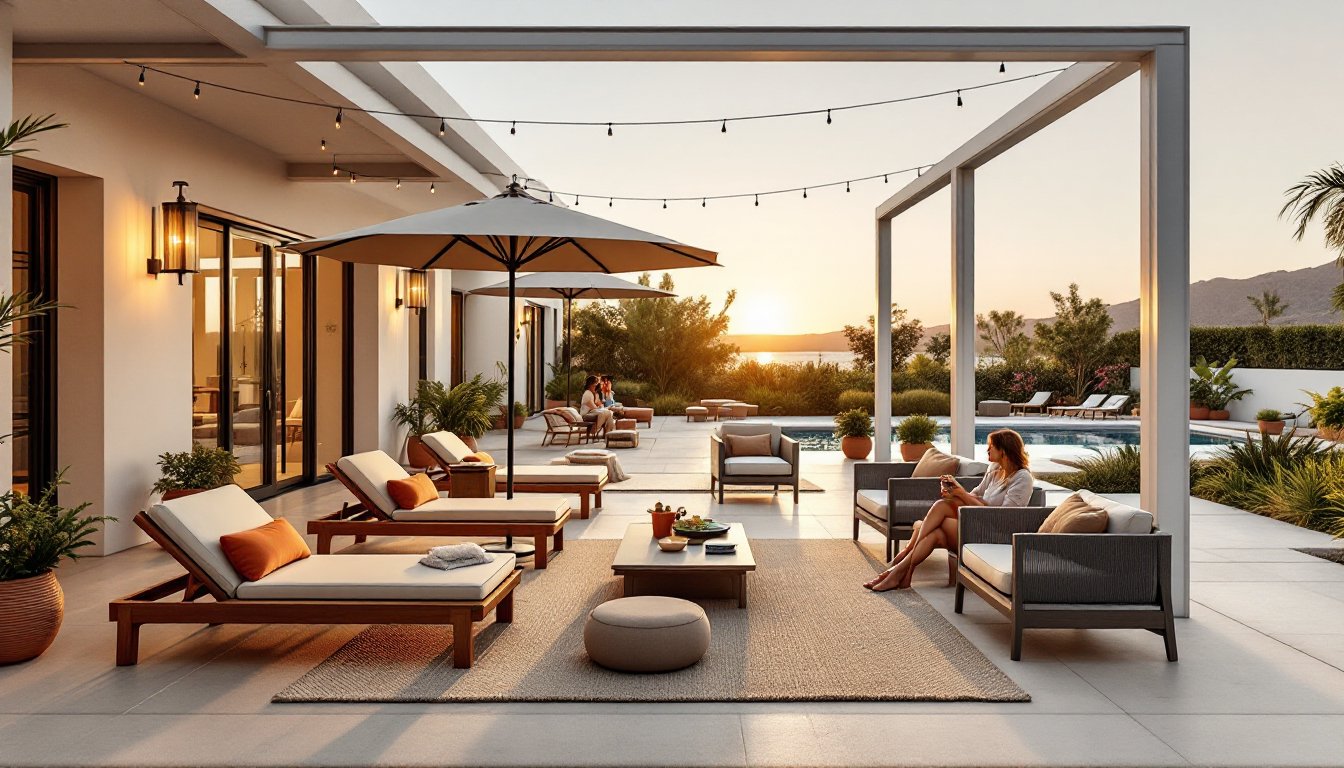
A guest walks into a hotel lobby, checks in, and the first thing many want to do is step outside, to breathe, to decompress, to check their phone without the hum of the lobby around them. That moment hinges on what’s waiting on the patio. Is it a few mismatched loungers and a wobbling table, or is it an inviting outdoor room that guests remember long after checkout? Quality hotel patio furniture isn’t just aesthetics: it’s a direct reflection of a property’s standards and a key factor in guest satisfaction scores. In 2026, the hospitality sector is investing heavily in outdoor spaces that blend durability, comfort, and design. This guide walks property managers and hospitality teams through choosing furniture that stands up to relentless use while creating the kind of environment guests want to linger in.
Key Takeaways
- Quality hotel patio furniture directly impacts guest satisfaction and online reviews, with well-maintained outdoor spaces driving 5–15% boosts in occupancy and repeat bookings.
- Commercial-grade hotel patio furniture with aluminum frames, solution-dyed acrylic fabrics, and reinforced construction justifies higher upfront costs through longer lifespan and lower maintenance overhead.
- Modular, mix-and-match seating systems with removable cushion covers allow phased refreshes and easy replacement of worn pieces without overhauling entire patios.
- Shade structures, whether permanent pergolas or retractable awnings, are essential for extending patio functionality and creating inviting outdoor spaces that guests photograph and share on social media.
- Earth-tone palettes, minimalist silhouettes, and low-profile designs create timeless, sophisticated outdoor environments that appeal to diverse guests and photograph better than ornate or brightly colored furnishings.
- A phased purchasing strategy with volume discounts from commercial suppliers and seasonal maintenance budgets of $50–200 makes outdoor upgrades financially viable over a 5–7 year furniture lifespan.
Why Quality Patio Furniture Matters for Hotels
Hotel patios endure punishment most residential outdoor spaces never see. A family backyard might host fifteen people on a summer weekend: a hotel patio hosts dozens daily, in all weather, with constant sun exposure and chlorine splash if poolside. Cheap furniture splinters, fades, rusts, and requires replacement within two seasons, a cycle that compounds labor and waste costs. Quality pieces justify their upfront expense through longevity, lower maintenance overhead, and the intangible value of guest comfort.
Guests equate outdoor furniture condition with overall property care. A single wobbly chair or peeling cushion signals neglect to someone who’s paying $200 a night. Conversely, well-maintained seating and shade options increase patio utilization, which extends stays and drives food-and-beverage sales if your property includes outdoor dining or a bar. Modern travelers also photograph and review outdoor spaces heavily on social media, good patio furniture becomes free marketing.
Essential Types of Hotel Patio Furniture
Seating Solutions
Lounge chairs dominate hotel patios, and for good reason: they’re comfortable, space-efficient, and signal “relax” immediately. Look for commercial-grade chaise lounges with reinforced aluminum frames (typically 1.5-inch diameter tubing) and UV-resistant fabrics rated for hospitality use. Sling fabric (polyester mesh) is popular because it dries fast and resists mildew, though cushioned loungers offer more comfort at the trade-off of regular fluffing and cover-ups during rain.
Stacking chairs are essential for flexibility. A property might need forty seats on a Saturday but only fifteen on Tuesday. Commercial stacking chairs with polycarbonate or aluminum frames weigh less than wrought iron but hold 250+ pounds reliably. Wicker or rattan-look options are trendy, but confirm they’re outdoor-rated synthetics, not natural wicker, the latter rots quickly in humid or coastal environments.
Benches and sectionals create social zones. Modular sectionals, increasingly popular in 2026, let you reconfigure seating for different guest groups and events. Ensure corner pieces and cushions are replaceable: when cushions wear (typically within 3–5 years depending on traffic), you shouldn’t need to scrap the entire frame.
Tables and Shade Options
Tables anchor patio zones. High-top cocktail tables (36 inches tall) work near bar areas, while standard dining tables (30 inches) suit meal spaces. Tops matter: glass scratches and shows water spots: solid wood (teak, composite) demands more maintenance: aluminum with polycarbonate inserts offer a practical middle ground, durable, lightweight, and easy to clean.
Shade is non-negotiable in most climates. Umbrellas (9–11 feet) are affordable and portable but require bases (weighted to 75+ pounds to resist wind) and can tip in gusts. Permanent shade structures, pergolas, cabanas, or retractable awnings, cost more upfront but define space permanently and often accommodate signage or branding. If retrofitting shade, confirm your patio’s load-bearing capacity: concrete pads typically support pergolas, but deck structures may need reinforcement. Building codes vary, but wind-load and seismic considerations usually apply, consult a local engineer if unsure.
Durability and Material Selection for Hospitality Environments
Hospitality furniture lives outdoors year-round (or seasonally, depending on climate). Aluminum frames resist rust and are lightweight, the industry standard for commercial patios. Look for powder-coated finishes (typically applied at 3–4 mils thickness) that outlast spray paint. Stainless steel is overkill for most patios but shines in coastal or high-corrosion zones.
Fabrics and textiles face the most stress. Sunbrella or equivalent solution-dyed acrylic resists fading, water, and mildew far better than standard outdoor fabrics. Solution-dyed means the color runs through the fiber, not just coated on: fading takes years instead of months. Olefin and polyester blends are cheaper but sacrifice longevity. For cushions, moisture-resistant foam cores (closed-cell or quick-dry) prevent mildew and water absorption.
Wood accents (teak, composite decking, or cedar trim) add warmth but require commitment. Teak naturally resists rot and weathers to silver, beautiful but pricey ($300+ per linear foot for railings). Composite wood (reclaimed-plastic blends) mimics teak’s look without refinishing, though fasteners may rust if not stainless steel. Cedar is affordable and naturally rot-resistant but needs staining every 2–3 years or it grays. If budget is tight, skip wood accents and use aluminum with cushions for warmth.
Cushion covers should be removable and washable. Zippered covers rated for outdoor use (solution-dyed acrylic covers resist both UV and mildew) cost $15–50 each but extend cushion life by years. Hotels with high-traffic patios swap covers monthly: residential properties, quarterly.
Design Trends and Aesthetic Considerations
2026 hospitality design favors modular, mix-and-match systems. Rather than buying a complete matching set, properties now curate loungers, chairs, and tables in complementary finishes, say, charcoal aluminum frames with cream and terracotta cushions. This approach feels curated, allows phased refreshes, and lets you replace worn pieces without overhauling the entire patio.
Earth tones and neutral palettes dominate. Whites, grays, taupes, and warm terracotta create sophisticated, timeless backdrops that photograph well and appeal to diverse guests. Bright colors date quickly and can look cheesy: if color is desired, introduce it via removable cushion covers or potted plants that can rotate seasonally.
Minimalist, low-profile silhouettes are winning over ornate designs. Sleek aluminum frames with clean lines feel contemporary and are easier to maintain than wrought iron with detailed scrollwork that traps dirt and is tedious to clean. Sustainability also influences choices: reclaimed materials, low-VOC cushion foams, and recyclable components appeal to eco-conscious travelers and reduce disposal costs when pieces retire.
Lighting extends patio functionality into evening. String lights, wall-mounted sconces, and low-level LED path lights create ambiance and safety. Ensure outdoor fixtures are rated IP65 or higher (dust- and water-resistant) and use LED bulbs (lower heat, longer lifespan, less energy draw). If adding electrical, hire a licensed electrician and secure proper permits: poolside installations have strict NEC (National Electrical Code) setback requirements.
Budget Planning and ROI for Outdoor Upgrades
Hotel patio furniture costs vary wildly based on quality and volume. A basic commercial lounger runs $200–400: a mid-range cushioned version, $500–800: and high-end designer loungers, $1,500+. For a 30-lounger patio, budget $6,000–$24,000 just for seating. Add tables ($300–$800 each), shade structures ($2,000–$15,000), and labor, and a modest patio refresh easily hits $30,000–$50,000.
The ROI argument is solid. Guest satisfaction directly correlates with online reviews and repeat bookings. Properties investing in outdoor upgrades typically see 5–15% boosts in occupancy or rate premium within a year. Amortize your investment over 5–7 years (the typical lifespan of quality commercial furniture), and the annual cost per room is minimal compared to lost bookings from poor guest experience.
Phased purchasing is wise if budget is constrained. Start with core seating and one shade structure, then add loungers, dining tables, and lighting in subsequent years. Buy from distributors offering volume discounts: commercial furniture suppliers often give 15–30% discounts on orders over $10,000. Request samples and test them on-site for a week, color, comfort, and durability feel different in your actual light and climate than in a showroom.
Maintenance budgets matter. Quality furniture requires less labor, but you’ll still need to hose down cushions monthly, replace worn covers annually, and refresh sealants on wood or composite annually. Budget $50–200 per season for cleaning and minor repairs: it’s far cheaper than replacing a lounger prematurely due to neglect.
Creating a Patio Guests Will Return For
Hotel patio furniture is an investment in guest experience and your property’s reputation. By choosing durable, well-designed pieces suited to your climate and traffic levels, you create outdoor spaces that feel intentional and inviting. Start with a clear inventory of your patio’s function (lounging, dining, events), select materials and styles that align with your brand, and prioritize quality over quantity. Your guests will notice, and they’ll tell others about it.