
If you are dealing with ants indoors or around your home, you may have heard that peppermint is an effective natural deterrent. The idea is appealing. Peppermint smells clean, is plant based, and avoids the use of harsh chemical sprays.
However, the real question remains: do ants hate peppermint, or is this just another home remedy that sounds better than it works?
The short answer is yes. Peppermint is an effective deterrent for many types of insects. It disrupts their ability to communicate and navigate. Understanding how to use it correctly can help you reclaim your space without calling an exterminator.
The Science: Why Peppermint Affects Ant Behavior
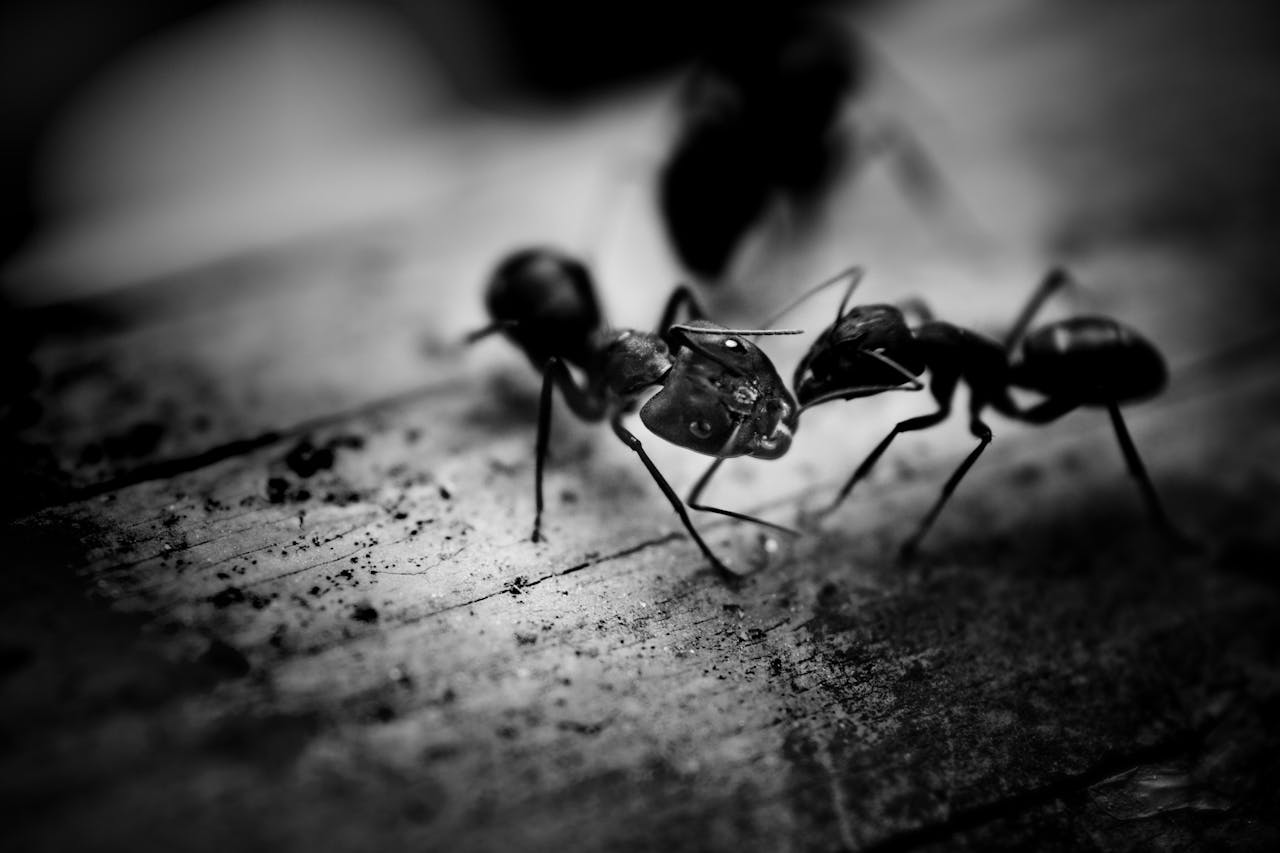
To understand why this works, you have to understand how ants move. Ants do not have ears or voices to talk to each other. They rely on pheromones. These are chemical scent trails that scout ants leave behind for the rest of the colony to follow. This is why you often see them walking in a perfect single-file line.
Peppermint oil contains menthol. This compound has a very strong and potent aroma. When you introduce this scent to an area, it masks the pheromone trails the ants have laid down. It confuses them. They lose the path to the food source and often turn around.
So, do ants hate peppermint because it smells bad to them? In a way, yes. It is an overwhelming sensory overload that signals them to stay away.
Do Ants Hate Peppermint Enough to Leave Completely?
Peppermint works best as a deterrent, not a permanent solution. Ants generally dislike the scent enough to avoid crossing treated areas, especially entry points like window sills, baseboards, and cracks near doors. In these cases, peppermint can be very effective.
However, if ants already have access to food or nesting sites inside your home, peppermint alone may not eliminate the problem. Ant colonies are persistent, and if the scent fades or is unevenly applied, ants may return once the barrier weakens. This explains why some people see great results while others notice only temporary relief.
When Peppermint Works Ideal Against Ants
Peppermint tends to work best in these situations:
- Early stage ant activity.
- Preventing ants from entering through known access points.
- Maintaining ant-free zones after cleaning and sealing cracks.
- Households seeking non-toxic deterrent options.
It is less effective when colonies are well established indoors or when food sources are readily available. The crucial point to note is that when used early and applied periodically, peppermint can help limit ant activity before it develops into a larger, harder-to-manage infestation.
How to Use Peppermint to Repel Ants
For peppermint to work effectively, it needs to be used correctly. Essential oil concentration, placement, and consistency all matter. You cannot simply open a bottle and hope for the best. Instead, you need to apply the oil strategically to areas where ants enter or congregate.
Here are a few effective methods to try:
Peppermint Spray
Mix roughly 10 to 15 drops of essential oil with a cup of water in a spray bottle. Shake it well before each use. Spray this solution along baseboards, windowsills, and door frames.
Cotton Balls
For a more targeted approach, soak cotton balls in the oil. Place these in the corners of your cabinets or near cracks in the wall. You will need to refresh these every few days as the scent evaporates.
Direct Barrier
You can apply neat oil directly to the thresholds of doors, but be careful with porous surfaces. Undiluted peppermint oil can stain wood, stone, or unfinished flooring, so it is best to test a small area first or use a diluted solution on delicate materials.
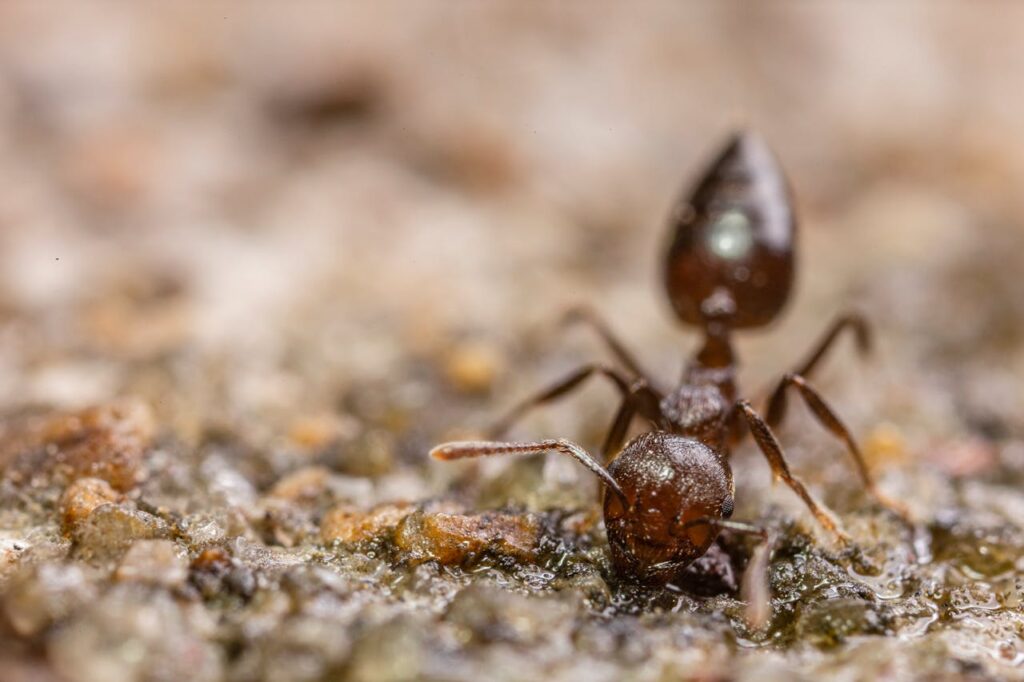
When used strategically, these methods create scent barriers that make treated areas harder for ants to navigate and less appealing to revisit. However, if you are dealing with a persistent infestation, you will need a high-quality product. Using a specialized peppermint oil for ants ensures you have the potency required to effectively disrupt their scent trails.
Do Ants Hate Peppermint: Key Takeaways
Ants steer clear of peppermint because the intense aroma disrupts their navigation. It masks the pheromone trails they rely on to find food sources and communicate with the colony. This confusion forces them to retreat and keeps them out of your living spaces.
In essence, peppermint is a fantastic first line of defense for the eco-conscious homeowner. By using a spray or cotton balls soaked in peppermint oil, you can maintain a pest-free home without resorting to harsh chemicals. Just remember to refresh the scent regularly to keep that barrier strong.