
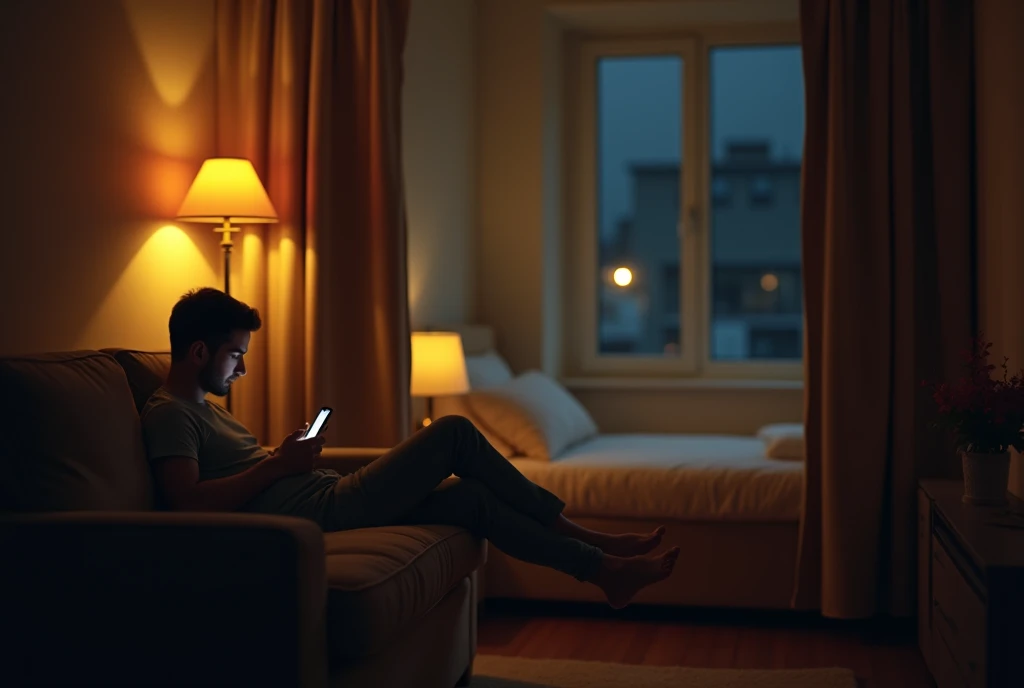
Comfort at home is not about design trends, it is about how a person feels the moment they walk in and close the door. A space should allow someone to relax without thinking about neighbors, noise, or being seen. That sense of ease matters in any situation, regardless of what a person chooses to do. Whether they want to rest, read, work, scroll, or even open something like eros escort, the key condition stays the same: the environment should feel private, calm, and fully under their control. Without that, even simple actions feel tense and incomplete. When a home provides real comfort, a person does not need to adapt their behavior or fill the silence. They just stay, slow down, and use the space naturally.
Layout defines daily comfort
A well-planned layout shapes how a person moves, rests, and spends time at home. Even a small space can feel comfortable if it separates basic functions. When sleeping, eating, and working all happen in one place without structure, the mind stays active instead of switching off. Clear zones help reduce that tension. A bed placed away from the entrance feels more secure. A chair outside the main walkway becomes a real place to relax. A table used only for meals keeps daily rhythm stable. Layout is not about size, it is about logic. When movement inside the home feels natural, the space stops distracting the person and starts supporting their routine.
Layout defines daily comfort
Size does not guarantee comfort. A smaller apartment with clear structure often feels better than a larger one without boundaries. The problem begins when functions overlap. Sleeping, eating, working, and relaxing all happen in the same visual field, and the body never fully switches modes.
A practical layout separates functions without overcomplication:
- The sleeping area should feel protected from direct view
- Walkways should not pass through rest zones
- Each area should have one main purpose
- Furniture should follow movement, not block it
Even minor adjustments matter. Moving a chair out of a pathway, adding a shelf between zones, or limiting a table to one use can reduce daily tension.
Light and air shape the mood
Discomfort often builds from physical conditions. Poor lighting, stale air, and unstable temperature affect how a space feels long before a person notices it clearly.
Three elements define a basic level of comfort:
- natural light during the day
- regular air circulation
- stable indoor temperature
Lighting should be layered. A single ceiling source keeps a room flat and exposed. Softer light at eye level creates a calmer atmosphere. A floor lamp near a seating area or a warm bedside light can change how the space is used in the evening.
Materials influence perception
A room can look clean but still feel uncomfortable. This often happens when surfaces are too hard or reflective. Glossy finishes, bare floors, and cold materials amplify both light and sound.
More comfortable spaces rely on balance. Wood, fabric, and matte surfaces soften the environment. Upholstered furniture supports longer use. Curtains reduce glare and make the room feel less exposed.
Reliable material choices include:
- warm flooring instead of cold tile
- textured fabrics
- heavier curtains
- soft seating
- matte finishes
These elements reduce tension and make the space easier to live in.
Clutter reflects storage quality
Clutter usually points to poor planning, not lack of discipline. When storage is inconvenient, items stay visible. Shoes remain near the entrance, kitchen tools stay on counters, clothes move onto chairs.
Storage should follow real habits:
- daily items stay within reach
- rarely used items stay out of sight
- surfaces remain mostly clear
- access should be simple and direct
When storage works, order becomes easier without effort.

Noise affects behavior
Sound plays a key role in comfort. Even moderate noise changes how people behave. They lower their voice, delay sleep, or avoid certain rooms.
Basic adjustments improve the situation:
- rugs reduce echo
- curtains absorb sound
- shelves help buffer walls
- beds should be placed away from noise sources
Control over sound allows the space to feel more stable.
Comfort comes from structure
A comfortable home supports everyday life without creating extra tension. Privacy, layout, light, materials, storage, and sound all work together. When these elements are aligned, the space feels calm and usable. When they are ignored, even a well-designed interior becomes difficult to live in.