
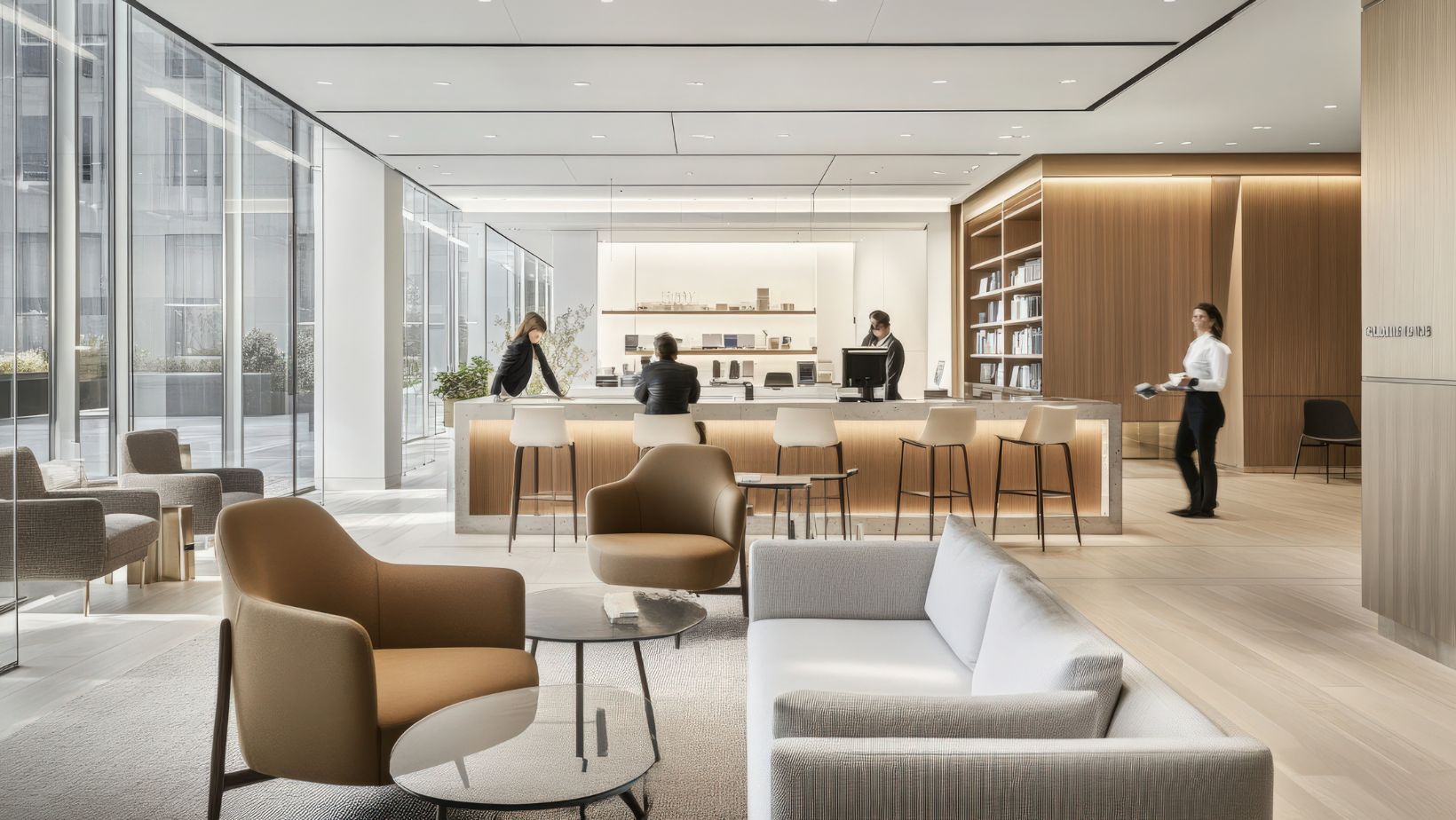
Interior lounges are among the most dynamic environments within hospitality design. They host arrivals and departures, informal meetings, solitary pauses, and social interaction, often unfolding simultaneously within the same space. Lounge seating must therefore perform across a wide spectrum of uses without visual disruption or functional compromise.
The challenge for designers is clear. Seating must feel inviting and relaxed, yet resilient enough to support continuous use across years of operation. Comfort must be immediate, while durability remains quietly assured.
Comfort That Holds Its Shape
Hospitality lounge seating is expected to deliver comfort from the first moment of use. At the same time, it must resist the gradual loss of form that undermines both appearance and experience. Overly soft seating compresses quickly and loses definition. Excessively firm seating discourages prolonged use. The most successful lounge seating achieves equilibrium.
Layered cushion construction plays a central role in this balance. High-resilience foams maintain structure under repeated compression, ensuring that seating retains its intended proportions over time. Upholstery tension is carefully calibrated to prevent premature sagging while preserving a relaxed visual language.
These technical decisions are rarely visible to guests, yet they define how seating performs day after day. When executed correctly, comfort feels effortless rather than engineered.
Longevity as a Design Principle
Durability in hospitality seating is not a limitation on creativity. It is a discipline that guides material selection, detailing, and construction. Lounge seating must maintain visual integrity even as materials age and environments evolve.
Reinforced frames prevent structural fatigue. Finishes are selected to wear evenly rather than reveal damage. Replaceable components extend product life without compromising aesthetic cohesion. Together, these elements ensure that seating remains consistent across high-traffic conditions.
Designers frequently specify seating from manufacturers such as Walters Indoor when interiors require a refined balance of comfort, longevity, and visual clarity.
Seating as Infrastructure
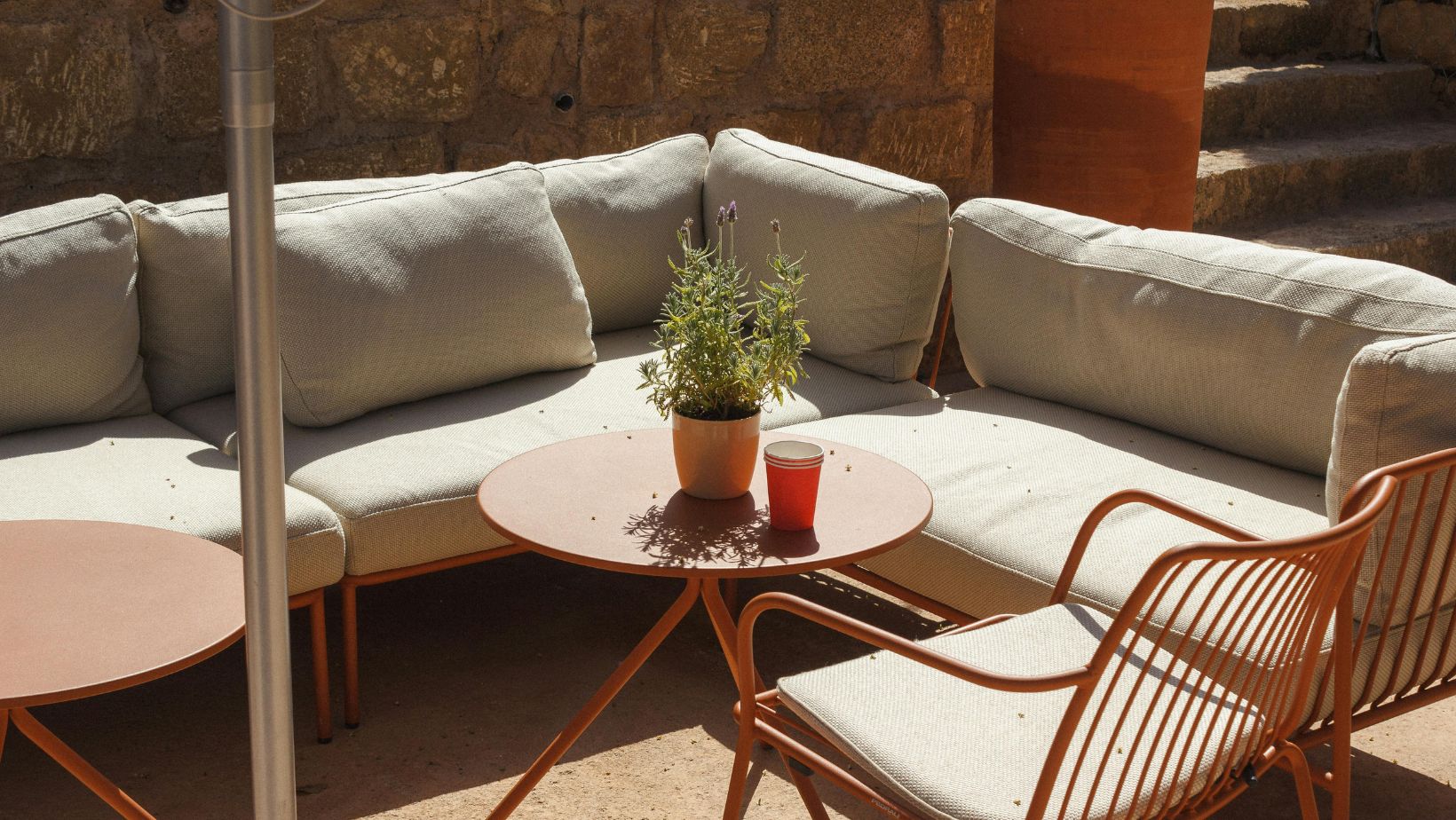
In well-designed hospitality lounges, seating functions as infrastructure rather than decoration. It anchors spatial zones, supports circulation, and accommodates changing patterns of use without constant intervention. Guests intuitively understand where to sit, how to gather, and how long to remain.
When lounge seating performs quietly and consistently, it allows architecture, lighting, and service to shape the experience. The seating does not demand attention, yet its absence would be immediately felt.
The most successful lounge seating is rarely noticed directly. Its value is measured instead through comfort, ease, and the subtle assurance that a space works exactly as it should.