
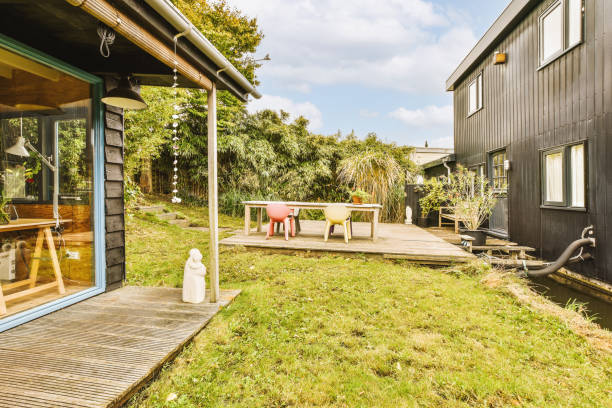
A beautiful backyard can make a property attractive during a home tour. Mature trees, a spacious lawn, and a comfortable seating area might seem ideal for family gatherings.
However, an outdoor space becomes less practical when reaching it from inside the house feels inconvenient.
Buying a home with a backyard that feels disconnected from the living space requires looking beyond appearance. Exterior door placement, indoor layouts, and walking routes can influence how often residents use their garden.
Autumn home tours offer an opportunity to examine these details before making a purchase.
Why Backyard Access Matters When Buying a Home
A backyard should support everyday activities rather than function as a separate part of the property. Even an attractive garden may receive little attention if reaching it involves several rooms or an inconvenient entrance.
Understanding these limitations helps buyers assess whether a home suits their lifestyle.
The Difference Between Having a Yard and Using It
Consider two homes with similar backyards.
One has sliding doors connecting the dining room directly to a patio. The other requires residents to walk through the kitchen, along a hallway, and around the house.
Both properties offer outdoor space, but their layouts create different experiences.
Families who enjoy outdoor meals, gardening, or entertaining guests may prefer convenient access.
Why Indoor Visibility Matters
A backyard that remains hidden from commonly used rooms can feel separate from everyday household activities.
During a viewing, consider:
- Can you see the garden from the living room?
- Is the outdoor seating area visible from the kitchen?
- Do walls or extensions block garden views?
- Can residents easily observe outdoor activities?
Clear sightlines can strengthen the connection between indoor and outdoor spaces, although they do not replace direct supervision of children.
What to Check During an Autumn Home Tour
Autumn can reveal practical backyard issues that summer property photographs might miss. Fallen leaves, damp surfaces, and shorter daylight hours highlight access and maintenance concerns.
Buyers should examine how comfortably residents can move between the house and garden.
Examine Exterior Door Placement
Exterior doors strongly influence backyard usability.
A door near the kitchen may support outdoor dining, while an entrance beside the living room might suit family gatherings.
During the tour, check whether doors:
- Open toward a practical outdoor area.
- Provide enough space for comfortable movement.
- Connect with frequently used rooms.
- Require awkward turns to reach the garden.
- Have steps or thresholds that affect accessibility.
These details matter when carrying food, moving furniture, or accompanying children outside.
Walk the Entire Route to the Garden
Rather than judging backyard access through a window, follow the actual walking route.
Start in the living room and continue toward the outdoor seating area.
Notice narrow corridors, inconvenient doors, steep steps, or poorly positioned furniture.
During autumn, examine walkways for slippery leaves, uneven paving, standing water, and inadequate lighting.
These issues may become particularly frustrating during wet weather.
Observe Natural Light and Seasonal Conditions
Pay attention to where sunlight reaches the garden.
Surrounding buildings, fences, and trees can create shaded areas that remain damp during cooler months.
Remember that sunlight patterns change throughout the year.
A seating area that looks comfortable in photographs may receive limited afternoon sunshine during autumn.
Can a Disconnected Backyard Be Improved?
An inconvenient backyard connection does not automatically make a property unsuitable. Some homes offer opportunities to improve outdoor access without extensive interior renovations.
However, buyers should understand which improvements are practical before making financial commitments.
Consider Adding a Deck
A deck can sometimes create a more comfortable transition between an elevated interior room and a lower garden.
For example, a raised dining room might connect more naturally with the backyard through a deck positioned outside an existing door.
Buyers considering this improvement can consult custom deck builders in Annapolis to evaluate potential layouts, elevation differences, drainage, and construction requirements.
Professional assessments can clarify whether the proposed connection is realistic. Local permits, property boundaries, and building requirements should also be checked.
Evaluate Adding Another Exterior Door
Installing an additional backyard entrance may improve accessibility, particularly when the main living area faces the garden.
However, creating a new opening can involve structural modifications, waterproofing, electrical changes, and exterior steps.
Before considering this renovation, ask:
- Is the proposed wall load-bearing?
- Would the new entrance interfere with furniture?
- Is there sufficient outdoor landing space?
- Would construction permits be necessary?
A qualified professional should assess feasibility before buyers estimate renovation expenses.
Consider Smaller Improvements
Major construction is not always necessary.
Improving an existing walkway, installing exterior lighting, or repositioning patio furniture may make backyard access more convenient.
These smaller changes are worth exploring when the current entrance is functional but poorly connected to outdoor activities.
Match the Backyard With Your Family’s Routine
Households use outdoor spaces differently. A backyard suitable for occasional gatherings may not work well for families planning frequent outdoor meals or daily gardening.
Think about how your household expects to use the property throughout the year.
Outdoor Dining and Entertaining
If outdoor dining matters, examine the distance between the kitchen and patio.
Carrying plates, drinks, and cooking equipment through multiple rooms can become inconvenient.
A shorter route generally makes outdoor meals easier to organize.
Children and Pets
Families with children or pets may value convenient garden access and clear visibility.
Check fencing, gates, exterior steps, and potential hazards.
Consider whether household members can move comfortably between indoor and outdoor areas.
Gardening and Relaxation
Gardeners may accept a separate entrance if outdoor storage and water access are convenient.
Similarly, someone seeking a quiet reading area might appreciate a garden positioned away from busy living spaces.
The right arrangement depends on personal routines rather than appearance alone.
How to Decide Whether the Property Is Worth Buying
A disconnected backyard should be evaluated alongside the home’s condition, asking price, and potential renovation costs. Buyers need to determine whether access problems are manageable or likely to affect long-term comfort.
A practical assessment can prevent unnecessary expenses after moving in.
Separate Essential Changes From Optional Upgrades
Identify improvements needed immediately and those that can be completed later.
Essential improvements:
- Repairing unsafe steps or damaged pathways.
- Addressing drainage problems.
- Improving access for household members.
Optional improvements:
- Building a larger deck.
- Installing another exterior door.
- Creating additional seating areas.
- Adding decorative garden lighting.
This distinction helps buyers prioritize their renovation budget.
Consider Costs Before Making an Offer
Outdoor renovations can involve materials, labor, structural work, permits, and site preparation.
Avoid assuming that creating another entrance or adding a deck will be inexpensive.
Where possible, obtain professional estimates before purchasing.
If improvements are necessary, consider whether the property’s price leaves sufficient room for completing them.
Conclusion
Buying a home with a backyard that feels disconnected from the living space requires careful consideration of daily comfort and accessibility.
During autumn property tours, examine exterior doors, walking routes, garden visibility, lighting, and drainage. These details help reveal whether the outdoor area supports your household’s routine.
Before purchasing, identify necessary improvements and estimate their costs. A backyard does not need a perfect connection from the beginning, but the property should offer practical opportunities to create a comfortable relationship between indoor and outdoor living.