
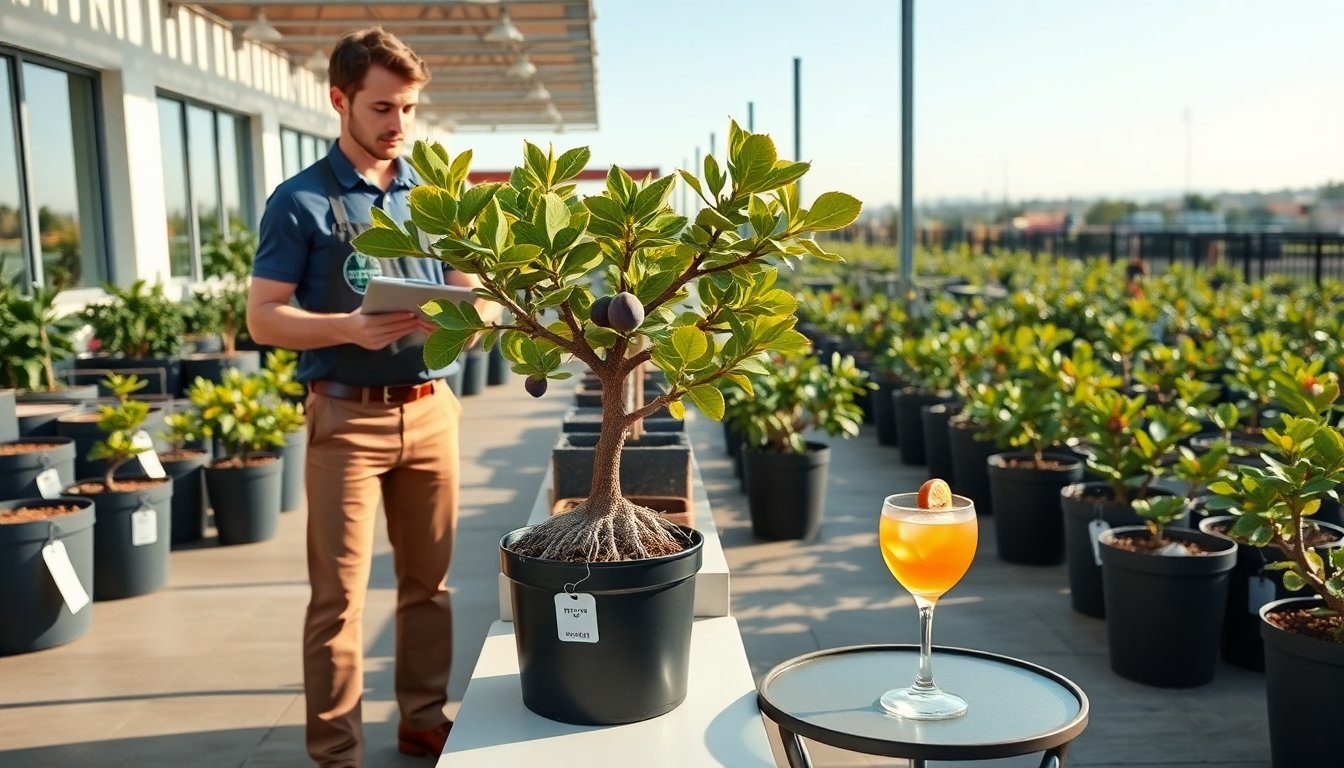
The brcnstone eco friendly gardening supplies sale verdict helps buyers choose well-priced fig trees that suit patios and small yards. The guide lists drink-friendly varieties, shows how to inspect trees, and compares cost versus long-term value. It aims to help buyers avoid poor purchases and pick trees that produce good fruit with low input.
Key Takeaways
- The budget brancstn drink friendly fig trees value critique highlights popular, affordable fig varieties like Black Mission and Brown Turkey that suit various climates and tastes for fresh eating and drinks.
- Matching the right fig tree variety to your climate and using containers can optimize growth and fruit quality on patios and small yards.
- Inspect fig trees carefully before buying, focusing on vigor, branching structure, root condition, and nursery practices for the best value.
- Balancing upfront cost versus long-term value is crucial; potted grafted trees typically offer quicker fruit production while bare-root trees fit tighter budgets.
- Regular care such as pruning, watering, mulching, and pest management transforms budget fig trees into reliable producers of quality fruit for eating and drinks.
- Splurge selectively on high-end or grafted varieties if you need early harvests, named fruit quality, or commercial production potential.
Top Drink‑Friendly Fig Varieties That Won’t Break The Bank
The budget brancstn drink friendly fig trees value critique names dependable varieties for fresh eating and preserves. Common types include ‘Black Mission’, ‘Brown Turkey’, ‘Desert King’, and ‘Kadota’. Each variety suits different climates and tastes. Black Mission produces sweet, dark fruit and does well in containers. Brown Turkey gives large crops and tolerates cooler winters. Desert King yields large, honeyed green figs that stay good when chilled for drinks and desserts. Kadota offers reliable yields and a mild flavor that mixes well in cocktails and juices.
Buyers should match variety to climate. The budget brancstn drink friendly fig trees value critique recommends Desert King in cooler coastal areas. It also recommends Brown Turkey for inland gardens with mild winters. The budget brancstn drink friendly fig trees value critique suggests container planting for patio drink use. Containers let buyers move trees to sun or shelter. Containers also reduce pest exposure and make pruning easier.
Nurseries sell bare-root and potted fig trees. The budget brancstn drink friendly fig trees value critique favors potted starts for first-time growers. Potted plants cost more but establish faster and show root health. Bare-root trees cost less and fit tight budgets. The budget brancstn drink friendly fig trees value critique adds that grafted trees sometimes bear earlier and offer known fruit quality.
How To Assess A Fig Tree Before You Buy: Size, Branching, Rootstock And Nursery Practices
Buyers should inspect nursery stock before purchase. The budget brancstn drink friendly fig trees value critique lists key checks buyers perform. First, buyers check overall vigor. Buyers look for green stems, healthy leaves, and active buds. Second, buyers check branching. Buyers prefer a balanced scaffold with multiple branches spaced apart. Good branching supports fruit and reduces breakage.
Third, buyers check root condition. The budget brancstn drink friendly fig trees value critique advises buyers to gently lift potted plants to view roots. Buyers want white, fibrous roots that wrap rather than circle heavily. Root-bound trees show circling roots and need repotting. Fourth, buyers ask about rootstock and grafting. The budget brancstn drink friendly fig trees value critique notes that some rootstocks improve drought tolerance and disease resistance.
Fifth, buyers check nursery practices. The budget brancstn drink friendly fig trees value critique recommends buyers choose nurseries that label varieties clearly and provide care instructions. Buyers ask for pest history and any fertilizers used. Nursery-grown trees should show no heavy pesticide residue or wilt. Finally, buyers test wood flexibility. The budget brancstn drink friendly fig trees value critique suggests buyers avoid brittle stems and choose trees with supple growth.
Cost vs. Long‑Term Value: Practical Ratings, Common Tradeoffs, And When To Splurge
Buyers weigh upfront price against years of production. The budget brancstn drink friendly fig trees value critique rates options on five-year return, ease of care, and fruit quality. Low-cost bare-root trees score high on initial value but may lag for a season. Potted and grafted trees cost more and often fruit sooner. The budget brancstn drink friendly fig trees value critique suggests buyers choose potted grafted trees when they want quick harvests for drinks or markets.
Buyers accept tradeoffs. The budget brancstn drink friendly fig trees value critique notes that cheap trees sometimes need more training, more pruning, or extra fertilizer. The critique rates mid-price trees as the best value for most home gardeners. Mid-price trees usually offer sound branching and healthy roots. High-price specimens may justify cost for rare varieties or for immediate landscape impact. The budget brancstn drink friendly fig trees value critique recommends splurging only when the buyer needs a named variety with known taste or when the buyer plans to sell fruit commercially.
The budget brancstn drink friendly fig trees value critique presents simple ratings. For budget buyers: bare-root equals good value for low cost. For practical buyers: potted standard varieties equal best balance of cost and yield. For fast fruiting: grafted varieties equal higher short-term return even though higher price. Buyers should consider shipping and warranty. The budget brancstn drink friendly fig trees value critique urges buyers to factor in site preparation, mulch, and pruning time as part of total cost.
Quick Care Tips To Turn An Affordable Tree Into A Reliable Fruit Producer
Buyers should prune young trees to form a strong frame. They should remove weak or crossing branches each winter. Buyers should water new trees deeply once a week during dry months. They should stop heavy watering as fruit ripens to concentrate sugars. Buyers should mulch to retain soil moisture and suppress weeds. They should add balanced fertilizer in early spring when new leaves appear.
Buyers should protect fruit from birds with netting. They should thin crowded fruit when necessary to improve size and flavor. Buyers should inspect trees monthly for scale, mites, and fungal spots. They should treat pests early with horticultural oil or hand removal. Buyers should harvest figs when they soften and droop on the branch. Buyers should chill fresh figs quickly for use in drinks and preserves.
The budget brancstn drink friendly fig trees value critique closes this section by repeating a key point: regular small tasks give big yields. Buyers who prune, water, mulch, and inspect plants often get steady harvests from low-cost trees.