
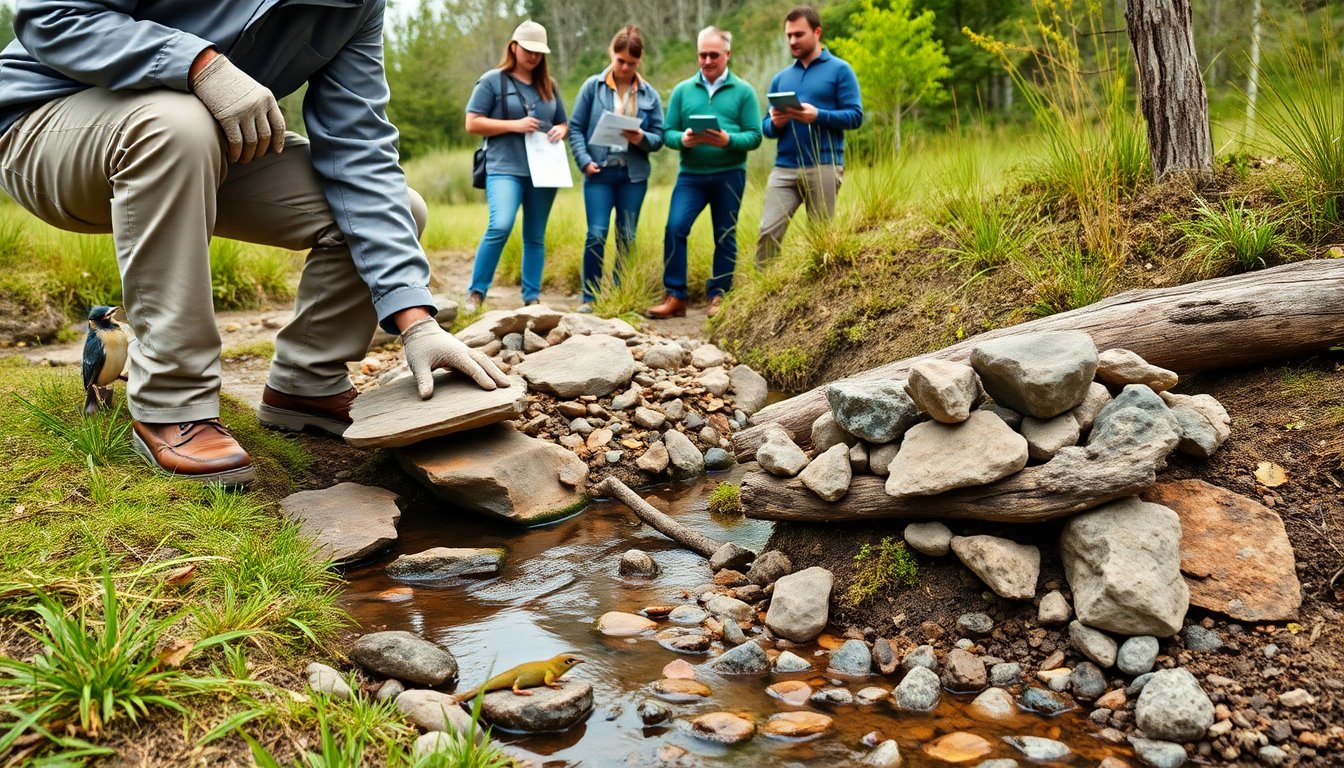
branchandstone are like unsung heroes of the ecosystems. The phrase names two simple elements that shape habitats. The guide shows how branches and stones support plants, animals, soil, and water. It shows practical roles and examples. It keeps language clear and direct for easy reading and quick learning.
Key Takeaways
- Branchandstone serve as foundational elements that create diverse and functional habitats by shaping physical structures and micro-environments.
- They play a crucial role in nutrient cycling and soil health by retaining moisture, decomposing organic matter, and reducing erosion, which supports plant growth and soil organisms.
- Many wildlife species depend on branches and stones for shelter, breeding, feeding, and refuge, contributing to higher biodiversity and species richness.
- Restoration and conservation efforts that incorporate branchandstone enhancements see faster returns of insects, plants, and other wildlife, improving habitat quality effectively.
- Individuals and land managers can foster ecosystem health by leaving wood piles, placing stones for basking, and maintaining natural debris to support local species and soil moisture.
- Branchandstone create key microhabitats that support specialized flora and fauna, making them essential yet often overlooked modules in ecosystem management.
How Branches And Stones Shape Habitat Structure
Branches and stones form basic habitat frameworks. Branches create vertical layers in forests and scrub. Stones create stable ground features on slopes and stream banks. Branches provide perches, shade, and attachment points for vines. Stones offer hollows, ledges, and thermal mass for small animals. Together they break uniform ground into many micro-sites. They change light, wind, and temperature locally. They create pathways for seed capture and plant recruitment. They trap leaf litter and organic matter in pockets. They slow water flow during storms and reduce erosion. They connect canopy to ground and link aquatic edges to upland zones. They make simple spaces diverse and usable for more species. Managers can add branches and stones to restore lost structure quickly. Practitioners who place them see faster return of insects, mosses, and seedlings. In parks and reserves, placing a few logs and stones improves habitat complexity without heavy machinery. Citizens can copy this by leaving small dead wood piles in corners of yards. They can place flat stones to create basking spots. These small moves change where animals feed, rest, and breed.
Nutrient Cycling, Soil Health, And Moisture Regulation
Branches and stones affect nutrient flows and soil condition. Dead branches decompose and release nitrogen and carbon slowly. Stones retain moisture under and beside them. Branch litter increases soil organic matter over time. Soil organisms feed on branch material and break it into humus. Stones reduce evaporation by shading soil and by creating cool pockets. These pockets help seeds survive dry spells. Branch and stone placement alters microtopography and water infiltration. Branches form dams in gullies and slow runoff. Stones form small basins that capture leaf litter and water. Together they increase local nutrient retention and reduce nutrient loss to streams. They support microbial communities, fungi, and soil fauna. Those communities improve soil structure and plant nutrient uptake. Land stewards who add woody debris often see quicker soil recovery on degraded sites. Farmers who keep stones in field margins support moisture and refuge for beneficial insects. Urban planners who design with branches and stones encourage rainwater to soak in and reduce urban heat on small scales. The result is soil that holds more water and supports more plants with less added fertilizer.
Wildlife Dependence: Who Relies On Branches And Stones
Many animals rely on branches and stones for life stages. Birds use branches for nests, roosts, and song posts. Small mammals use branches and fallen logs for tunnels and cover. Reptiles use stones for basking and hiding. Amphibians use moist areas under rocks and logs as refuges. Invertebrates use branch bark, crevices, and stone undersides as homes. Fish use stones in streams as spawning substrate and as shelter from predators. Branch and stone presence often predicts local species richness. They provide consistent refuge during storms and heat. They create stepping stones across fragmented habitat. Conservation planners evaluate branch and stone abundance when they assess habitat quality. Removal of branches and stones causes immediate decline in some ground-dwelling insects and small vertebrates. Restoration projects that add them report higher return of target species within seasons. Land managers who leave some natural debris see higher nesting success for cavity nesters. They also see more pollinators visiting flowers near debris.
Key Species Examples And Microhabitats
Woodpeckers create cavities in branches that later host owls, bats, and small mammals. Salamanders shelter under wet stones and feed on leaf litter invertebrates. Beetles and ants live in rotting logs and move nutrients across the soil. Frogs use shallow pools formed behind stone clusters to breed. Mosses grow on shaded stones and stabilize moisture for seedlings. Lichens colonize branch bark and indicate air quality. Spiders spin webs between branches and capture flying insects. Freshwater mussels gain food from leaf litter trapped near stones in streams. Some rare plants germinate only in the thin soil that accumulates on rock ledges and on decayed branches. Farmers and gardeners who mimic these microhabitats see more natural pest control and better pollination. Citizen scientists who monitor log piles often record higher insect diversity. Urban ecologists who install rock-pile refuges report rises in small reptile sightings. These examples show direct links between simple structures and specific species. They show how branches and stones act as essential habitat modules across ecosystems and landscapes.