
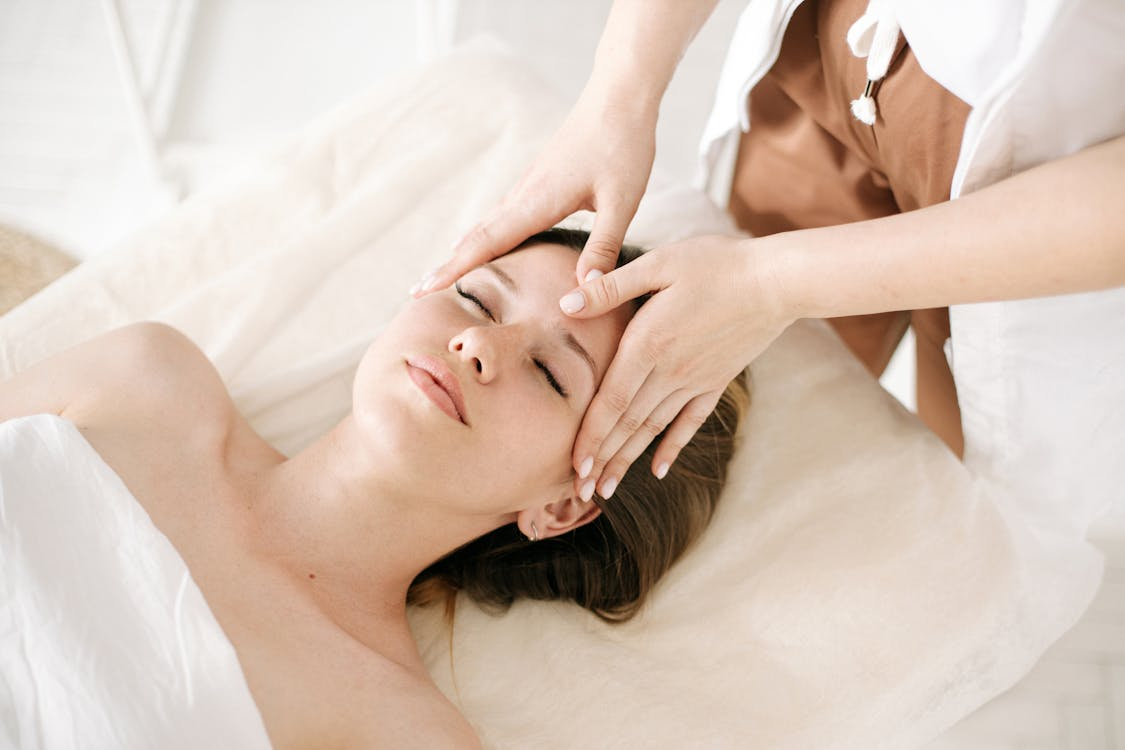
The practice of Asian massage encompasses a vast array of therapeutic traditions that have evolved over thousands of years across diverse cultures. From the bustling treatment rooms of Tokyo to the serene spas of Bali, these time-honored techniques continue to provide effective solutions for modern wellness challenges. Understanding what is an Asian spa and the authentic practices it offers helps distinguish genuine therapeutic experiences from generic commercialized versions that lack cultural authenticity.
Interest in types of Asian massage has grown exponentially as Western societies increasingly recognize the limitations of treating symptoms without addressing underlying imbalances. Asian healing philosophies view the body as an integrated whole where physical, energetic, and emotional elements interconnect. This holistic perspective produces treatments that often deliver more comprehensive and lasting results than approaches focusing solely on muscular manipulation.
Knowing what to expect at Asian massage sessions helps first-time clients approach these experiences with appropriate expectations and preparedness. This comprehensive guide explores the sanctuary of Asian spas, examines major massage modalities, explains therapeutic benefits, prepares you for your first session, and provides guidance for finding authentic practitioners who honor these ancient healing arts.
What is an Asian Spa – A Sanctuary of Traditional Wellness
What is an Asian spa extends beyond a simple treatment facility; it represents a sanctuary where ancient healing wisdom meets contemporary wellness needs. Authentic Asian spas embody cultural traditions that view therapeutic touch as integral to maintaining health rather than occasional luxury. Understanding the philosophy and environment of traditional Asian spas helps appreciate the comprehensive experience these establishments offer.
Core characteristics of authentic Asian spas include:
- Holistic wellness philosophy. Traditional Asian spas don’t simply offer isolated treatments but provide comprehensive wellness experiences. Many incorporate bathing rituals, herbal therapies, meditation spaces, and dietary recommendations alongside massage services. This integrated approach recognizes that true health requires attention to multiple lifestyle factors rather than periodic interventions alone.
- Cultural authenticity and design. Genuine Asian spas reflect their cultural origins through architectural elements, interior design, and ambient details. Japanese spas might feature minimalist aesthetics with natural materials like wood and stone. Thai facilities often incorporate ornate carvings and vibrant textiles. These design choices create environments that transport visitors into the cultural context from which treatments emerged, enhancing the overall therapeutic experience.
- Herbal and aromatic elements. Authentic spas incorporate traditional herbal preparations, essential oils, and aromatic elements selected according to therapeutic principles rather than simply pleasant fragrances. Chinese spas might use warming ginger preparations, while Ayurvedic-influenced facilities select oils based on constitutional assessments.
The atmosphere in traditional Asian spas differs markedly from typical Western massage establishments. Rather than clinical efficiency, authentic facilities cultivate tranquil environments encouraging guests to slow down and enter receptive states where healing occurs most effectively.
Types of Asian Massage – A Guide to Modalities
Types of Asian massage vary significantly in their techniques, intensity levels, and therapeutic applications. Understanding major modalities helps identify which approaches best suit individual needs, preferences, and health conditions.
Major massage modalities include:
- Chinese Tui Na therapy. Translating as “push-grasp,” Tui Na represents one of Traditional Chinese Medicine’s main branches. This therapeutic system employs over forty distinct hand techniques including rolling, pressing, kneading, and percussion to address specific diagnosed conditions. Unlike relaxation-focused massage, Tui Na practitioners conduct diagnostic assessments including pulse reading and meridian palpation.
- Japanese Shiatsu practice. Meaning “finger pressure,” Shiatsu involves systematic pressure application along meridian pathways using thumbs, fingers, palms, and occasionally elbows. Practitioners assess energetic imbalances through touch, then apply sustained perpendicular pressure to specific points. Shiatsu’s meditative quality creates deeply relaxing experiences while effectively addressing stress-related conditions and headaches.
- Indonesian and Balinese styles. These traditions blend Indian Ayurvedic principles, Chinese meridian theory, and local healing practices. Techniques include long flowing strokes, acupressure, skin rolling, and gentle stretching. Many Balinese approaches utilize aromatic oils, making them examples of Asian masage that emphasize fluid, rhythmic movements.
- Korean bodywork traditions. Korean massage incorporates vigorous manipulation, joint mobilization, and percussion techniques alongside meridian work. Some styles emphasize strong pressure and dynamic movements. For those in the Cheongju area seeking authentic Korean treatments, 청주 출장안마 offers professional massage services with experienced therapists providing traditional techniques through convenient outcall services.
Choosing among types of Asian massage depends on several factors including health conditions, comfort with intensity levels, and therapeutic goals. Those with chronic pain might benefit from diagnostic-based approaches like Tui Na, while individuals seeking flexibility improvement often prefer Thai massage’s dynamic stretching.
Benefits of Asian Massage – Beyond Relaxation
The benefits of Asian massage extend far beyond temporary relaxation, encompassing profound effects on physical health, emotional well-being, and energetic balance. The holistic nature of these practices means therapeutic effects accumulate across multiple body systems simultaneously.
Physical health benefits include:
- Pain management and chronic condition relief. By addressing both structural issues and energetic imbalances, Asian masage effectively manages chronic pain conditions including back pain, arthritis, fibromyalgia, and migraines. Improved circulation, reduced muscle tension, enhanced flexibility, and balanced energy flow collectively diminish pain signals while supporting tissue healing. Many clients report decreased reliance on pain medications after establishing regular treatment routines.
- Enhanced circulation and cardiovascular support. Various Asian massage techniques promote blood and lymphatic circulation through direct mechanical effects and reflexive responses. Improved circulation delivers oxygen and nutrients to tissues more efficiently while removing metabolic waste products. Enhanced lymphatic flow supports immune function and reduces inflammation.
- Improved flexibility and range of motion. Modalities incorporating stretching and joint mobilization, particularly Thai massage, significantly enhance flexibility and joint mobility. Regular treatments help maintain range of motion as aging occurs, support athletic performance, and reduce injury risk.
Mental and emotional benefits include:
- Stress reduction and anxiety management. Asian special massage techniques activate parasympathetic nervous system responses, directly counteracting stress physiology. Regular treatments help reset dysregulated stress response systems, improving resilience and reducing anxiety symptoms.
- Improved sleep quality. The profound relaxation states induced during sessions often produce immediate sleep improvements. Beyond temporary effects, regular treatments help regulate circadian rhythms and address underlying energetic imbalances contributing to insomnia.
- Emotional processing and release. Asian healing traditions recognize that physical and emotional health are inseparable. Energetic blockages often have emotional components, and their release during bodywork can trigger emotional processing.
What to Expect at Asian Massage – Your First Session
Understanding what to expect at Asian massage sessions helps first-time clients approach these experiences with appropriate preparation and realistic expectations. While some elements resemble Western massage, significant differences distinguish authentic Asian approaches.
- Initial consultation and assessment:
Many traditional practitioners begin with consultation processes that may include pulse reading, tongue observation, postural assessment, and questions about digestion, sleep, and emotional state. These assessments inform treatment strategies based on energetic pattern diagnosis. Expect practitioners to spend five to fifteen minutes on assessment before beginning hands-on work.
- Treatment environment and preparation:
Session environments vary by modality. Thai massage occurs on padded floor mats with clients wearing loose, comfortable clothing. Oil-based modalities like Balinese massage take place on massage tables with clients disrobing to comfort levels and draped with sheets. Clarifying these details when booking prevents uncomfortable surprises.
- Communication during sessions:
Communication styles differ from Western expectations. Many Asian practitioners work with quiet focus, speaking minimally during treatments. This silence serves therapeutic purposes, helping clients enter meditative states. However, clients should always feel empowered to communicate discomfort or request pressure adjustments.
- Physical sensations and intensity:
Some types of Asian massage can be quite intense, particularly techniques like Thai massage or Tui Na. Temporary discomfort as practitioners work through blockages is normal. However, pain should never feel sharp or unbearable. Communicate clearly about pressure levels and don’t hesitate to request adjustments.

Asian Special Massage – Finding an Authentic Practice
Locating authentic Asian special massage practitioners providing genuine traditional treatments requires research and discernment. The term “Asian massage” unfortunately encompasses both legitimate therapeutic practices and establishments offering questionable services.
Identifying legitimate practitioners:
- Credentials and training verification. Reputable practitioners possess verifiable training credentials from recognized institutions. Thai massage therapists might have certificates from temples or schools in Thailand. Shiatsu practitioners may hold certifications from established training programs. Don’t hesitate to ask about training backgrounds.
- Professional facility standards. Legitimate establishments maintain clean, well-appointed facilities with proper business licensing. Professional environments include comfortable treatment rooms, appropriate equipment, and staff who communicate clearly about services and pricing.
- Clear service descriptions. Authentic practitioners clearly describe therapeutic approaches, session durations, and pricing without ambiguity. They answer questions patiently and never pressure potential clients. Vague service descriptions suggest establishments to avoid.
- Cultural authenticity indicators. Genuine traditional practices often incorporate cultural elements beyond basic massage techniques. This might include appropriate greeting customs, traditional music, authentic décor, and practitioners who can explain the philosophical foundations underlying their work.
The benefits of Asian massage are most fully realized through consistent work with skilled, authentic practitioners who understand traditional healing principles. Taking time to research options, verify credentials, and select reputable establishments ensures positive therapeutic experiences that honor these ancient traditions while meeting contemporary wellness needs.