

According to Orkin, a pest control company, approximately 600,000 US homes are damaged every year by termites. This information shows that many houses seem unprepared when it comes to termite invasion.
The thick and sturdy nature of brick walls leads some homeowners to overlook the need to inspect for termites on brick walls. When termite activity is analyzed, prevention controls can be put into use to stop or slow down the structural decay of a building.
Reclaim your peace of mind with effective pest control from All American Pest Control, delivering safe treatments and lasting protection for your home.
Let’s study how termite infestation takes place in a structure made up of brick walls and learn some ways to prevent these pests from damaging one’s property.
Understanding Termite Behavior
If you want to save money on costly repairs, you must be aware of how to determine the ways to fight the invasive effects of termites.
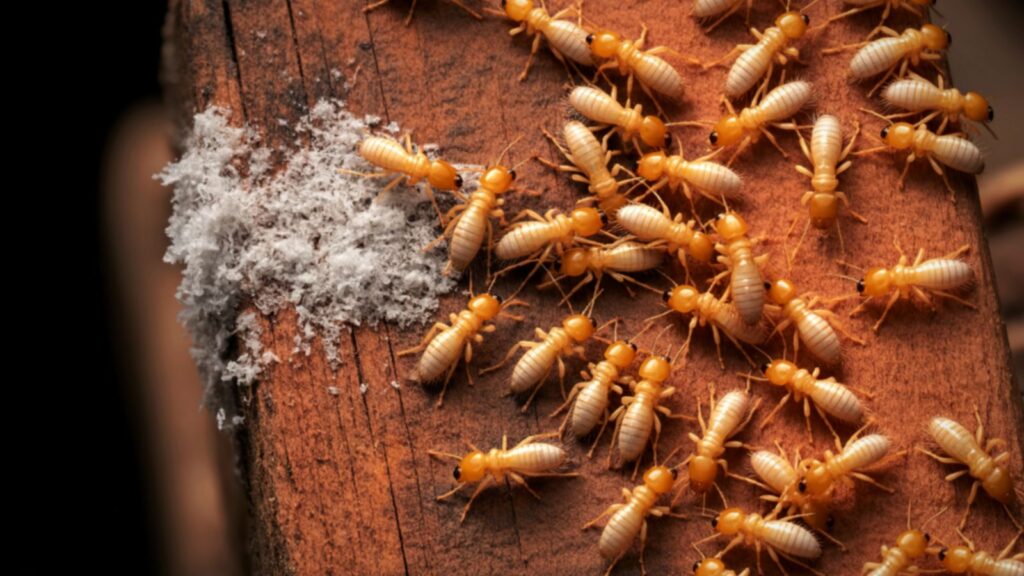
Being social insects, termites live in colonies. Termites aid each other in the search for food and building nests. Their food largely consists of cellulose present in wood, paper, and other organic matter.
Warmth and moisture are what termites are chiefly dependent on. Pheromone communication among them is used to indicate danger or locate food spots.
Once you notice mud tubes or decay on wood as signs of termite infestation, you should intervene immediately. A termite infestation has the potential to cause damage to property. This property would then be unsafe for living and make it subject to premises liability claims. According to the law firm website https://www.robertslawfirmpa.com/, a property owner becomes legally liable when they have actual knowledge or should have known about a hazardous situation yet fail to take appropriate actions for its elimination.
You must strategize and implement actions to guard your house according to how termites behave.
How Termites Access Brick Walls
Termites make their way into houses through small holes and cracks.
The constant water moisture weakens brick walls, making it easier for the termites to get in. Termites can also enter through the wood of nearby structures such as door or window frames. If any wood is in contact with the brick, the termites will follow that surface and reach your walls.
Termites can construct passageways on the outside so they can easily move around unnoticed. Being aware of all possible entry points makes it extremely convenient and easier when it comes to having houses that do not have termites.
To solve this issue, one ought to keep a fairly constant check of the property.
Signs of Termite Activity in Brick Structures
Once termites have entered your brick buildings, it becomes critical to locate where they are active.
- Walls may have small, mud-like pathways that termites use as living and moving spaces. If you tap them, you might hear a sound similar to broken bricks or walls, indicating severe internal damage.
- Termites’ shed wings are another sign of these bugs. Termite droppings usually show up near windows and doors on the occasion of a swarm.
- The termite droppings, known as frass, may look like sawdust and are the size of a pinhole.
- A musty odor may indicate a large termite infestation
The Role of Moisture in Termite Infestations
Moisture tends to build up in brick homes, which can attract termites. Termites begin to eat into the wood supports or boards if they are often kept moist.
Some sources of the infestation include leaking pipes, sitting water and poorly functioning drainage. Pay attention to your lines and plumbing. There are probably termites looking for food wherever there is standing water.
Preventative Measures for Homeowners
Frequent examination of rain gutters and downspouts is necessary to prevent leaks of stagnant water where termites are most likely to enter your property. Rainwater should not build up under the property. Wood fixtures should be dried up properly and be free of moisture.
Deny the termites in the cracks of the bricks and the base. Always keep firewood and wood underground and at least 20 feet from the property.
A clean site, mulch, and plants are sure to repel termites. Getting pest control inspections done continuously will prevent costly termite damage.
Treatment Options for Termite Infestations
Immediately report any sightings of termites. They’ll do less damage to your house if you take action right away. Several methods are available to handle them.
You can make a barrier around the base of your home with liquid insecticides. This will keep termites out. Another method is to use bait devices. The system uses slow-acting poisonous materials for the elimination of termites, which would destroy them one by one until they are through.
When borate is applied to wood, termites are quickly removed and long-term protection is guaranteed. Gas treatment is used to eradicate termites in cases of severe infestation.
Follow all directions issued for termite control. There are some methods that require repeated applications for effectiveness. One may save on time, money, and stress by choosing to target each of the termite issues quickly and directly.
When to Consult a Pest Control Professional
If termite tubes are identified or wings are discovered, immediately look for a professional termite control service. You should not wait until the termites have caused severe problems.
If you are unsure about the extent and treatment of an infestation, engaging a professional termite control company is the best. The company will send in an expert, who can examine the situation properly.