

Quick Answer
Regular furnace maintenance benefits home comfort and efficiency by keeping home heating systems clean, properly tuned, and operating at peak levels. Technicians inspect and adjust components to optimize airflow, combustion, and heat distribution. This approach reduces energy consumption for energy-efficient heating, minimizes uneven temperatures, prevents unexpected breakdowns, and extends system lifespan while maintaining consistent indoor warmth during cold seasons.
Introduction
Homeowners often face rising energy bills and inconsistent heating as winter approaches, with furnaces struggling to maintain steady temperatures across rooms. Dust buildup, worn components, and minor inefficiencies accumulate over time, forcing the system to work harder and deliver less reliable performance. These issues disrupt daily comfort and increase operational costs without obvious warning signs until major problems emerge.
For expert guidance on maintaining your system to these standards, Horizon Heating services demonstrate the value of thorough, professional attention that aligns with industry best practices. Beyond the basics, this level of maintenance promotes long-term reliability in home heating systems, particularly in demanding climates where dependable operation matters most.
Furnace Maintenance Tips for Home Heating Systems
Professional furnace maintenance delivers measurable advantages that directly influence indoor comfort levels and the overall operation of home heating. Technicians perform systematic checks and cleanings that prevent small issues from escalating into major failures. The result is more consistent heat delivery across living spaces, reduced strain on components, and fewer interruptions during peak cold periods.
Furnace maintenance benefits extend beyond basic functionality to support safer, quieter operation. Clean burners and heat exchangers promote complete combustion, minimizing harmful byproducts while maximizing heat output. Adjusted blower motors and belts operate with less vibration and noise, creating a calmer environment indoors. Homeowners experience steadier temperatures room to room because airflow remains unrestricted and balanced.
Core Components Addressed in Routine Servicing
Technicians focus on several critical elements during each visit to maintain peak function:
- Clean the burner assembly and flame sensor to promote efficient ignition and stable flame patterns.
- Inspect the heat exchanger for cracks or corrosion that could compromise safety and efficiency.
- Examine blower components, including the wheel, motor, and belts, then lubricate moving parts where required.
- Check electrical connections and controls for secure operation and proper voltage.
- Test safety devices, such as limit switches and rollout sensors, to verify reliable shutdown if issues arise.
- Measure gas pressure and combustion to confirm optimal fuel-air mixture.
These steps restore the system close to factory specifications and catch wear before it affects performance.
Measurable Gains in Comfort and Reliability
Consistent servicing leads to tangible improvements in daily use. Even heat distribution eliminates cold spots, particularly in larger homes or those with multiple levels. Reduced cycling frequency means the furnace runs for longer periods at lower intensity, which maintains humidity levels more effectively and prevents abrupt temperature swings.
In practice, households report noticeably quieter operation and fewer service calls over multiple seasons.
How Regular Care Enhances Energy-Efficient Heating and HVAC Performance
Regular professional servicing optimizes energy-efficient heating by restoring components to operate closer to their designed specifications. Dust and debris on the heat exchanger reduce heat transfer effectiveness, forcing the system to consume more fuel for the same output. Technicians clean these surfaces thoroughly, which improves thermal efficiency and lowers fuel requirements during operation.
Clean air filters and unrestricted blower assemblies allow proper airflow, preventing the furnace from overworking to push heated air through obstructions. When airflow improves, the system cycles less frequently and runs at steadier intervals, which supports consistent indoor temperatures. This balanced operation reduces wear on motors and controls while contributing to quieter performance overall.
Impact on Energy Consumption and Utility Costs
Routine care targets inefficiencies that accumulate gradually. Adjusted gas pressure and burner settings optimize the fuel-air mixture for complete combustion, minimizing wasted energy through incomplete burning. Measured combustion analysis confirms the system achieves higher efficiency ratings during peak demand. Homeowners typically observe lower heating costs because the furnace delivers more usable heat per unit of fuel consumed.
Studies from energy authorities indicate that annual tune-ups can improve system efficiency by noticeable margins, often translating to reduced bills over the season. Sealed and properly adjusted components prevent heat loss through leaks or poor insulation in ductwork connections.
Technical Adjustments That Boost HVAC Performance
Professional technicians perform precise calibrations that directly influence overall HVAC performance:
- Measure and adjust gas manifold pressure to manufacturer specifications for optimal combustion.
- Clean and test the flame sensor to promote reliable ignition without repeated attempts.
- Inspect the inducer motor and draft inducer assembly for proper venting and pressure.
- Verify thermostat calibration and wiring integrity for accurate temperature control.
- Check blower speed settings and capacitor function to match airflow needs.
- Evaluate the venting system for blockages or corrosion that could restrict exhaust flow.
These adjustments restore factory-level operation and address subtle drifts that degrade efficiency over time.
Comparison of Maintained vs. Neglected Systems
| Aspect | Regularly Maintained Furnace | Neglected Furnace |
| Efficiency Rating | Closer to rated AFUE (e.g., 90-98%) | Drops 5-20% due to buildup and misalignment |
| Annual Energy Savings | Up to 10-30% lower fuel consumption | Higher bills from overcycling and poor combustion |
| Breakdown Frequency | Significantly reduced | Increased risk of mid-season failures |
| Heat Distribution | Even across rooms | Uneven with cold spots |
| Noise Level | Minimal vibration and operational sound | Louder from strained components |
| Lifespan Extension | 2-5 additional years typical | Shortened by accelerated wear |
Maintained ones provide reliable, cost-effective heating while neglected ones demand more resources for the same results.
Key Technical Aspects That Professional Maintenance Addresses
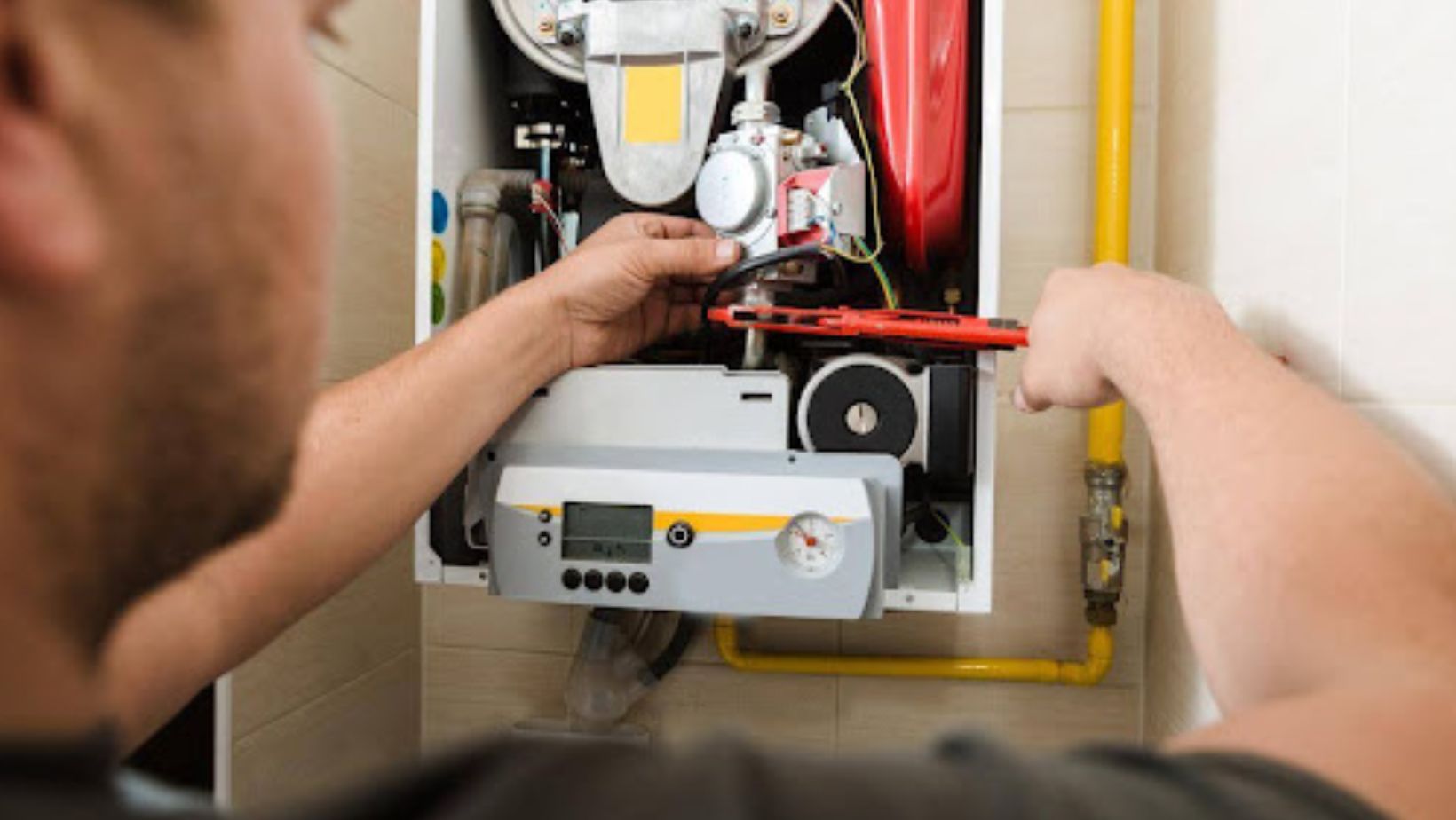
Components experience gradual degradation from thermal cycling, dust accumulation, and minor combustion byproducts. Technicians identify and correct these issues during annual visits, preserving system integrity and preventing efficiency losses that compound over seasons. The focus remains on measurable parameters such as temperature differentials, pressure readings, and electrical performance.
Beyond surface cleaning, detailed diagnostics reveal subtle problems that homeowners rarely notice until performance declines sharply. Combustion analysis equipment measures oxygen levels, carbon monoxide, and stack temperature to confirm safe, efficient burning. Adjustments restore the ideal air-fuel ratio, which directly supports energy-efficient heating and reduces pollutant output.
Critical Safety and Efficiency Checks Performed Annually
Technicians systematically evaluate elements essential for safe, reliable operation:
- Inspect heat exchanger integrity using visual examination, camera inspection where accessible, and carbon monoxide testing to detect cracks or corrosion.
- Verify proper venting and chimney condition to prevent backdrafting or exhaust recirculation in the living space.
- Test all safety controls, including rollout switches, flame rollout sensors, and high-limit devices for correct function during simulated faults.
- Measure static pressure across the system to identify airflow restrictions in ducts or at the blower.
- Examine electrical wiring, capacitors, and contactors for signs of overheating or looseness that could cause intermittent failures.
- Assess condensate drainage in high-efficiency models to avoid water backup and secondary damage.
These checks form the foundation of preventative care that extends equipment life while minimizing risks.
Long-Term Advantages of Consistent Professional Servicing
Systems receiving regular attention demonstrate extended service intervals before major component replacement becomes necessary. Bearings stay properly lubricated, belts maintain correct tension, and motors avoid premature failure from overheating or imbalance. The cumulative effect produces steadier operation, fewer emergency calls, and preserved warranty eligibility in most cases.
On the other hand, deferred maintenance allows small inefficiencies to escalate into costly repairs or complete failure at inopportune times. Professional intervention interrupts this progression through proactive correction.
Why Furnace Maintenance Benefits Remain Essential Over Time
Clean, calibrated equipment operates with less energy input for equivalent heat delivery, supports balanced humidity control, and delivers uniform comfort throughout the home. As components age gracefully under regular care, replacement decisions become planned rather than reactive. In regions with long heating seasons, this disciplined approach translates to substantial savings and sustained indoor comfort year after year.
Securing Long-Term Comfort with Professional Furnace Care
Regular furnace maintenance stands as a practical investment in both immediate comfort and sustained system reliability. Through consistent cleaning, precise adjustments, and thorough safety inspections, technicians preserve optimal combustion, airflow, and heat transfer while minimizing risks from component wear or improper operation. The approach delivers steadier temperatures, quieter performance, and predictable energy use across seasons.
Homeowners who prioritize annual servicing experience fewer disruptions, extended equipment lifespan, and meaningful reductions in expenses. The primary furnace maintenance benefits become most evident over multiple years, transforming routine care into the foundation of dependable, energy-efficient heating.