
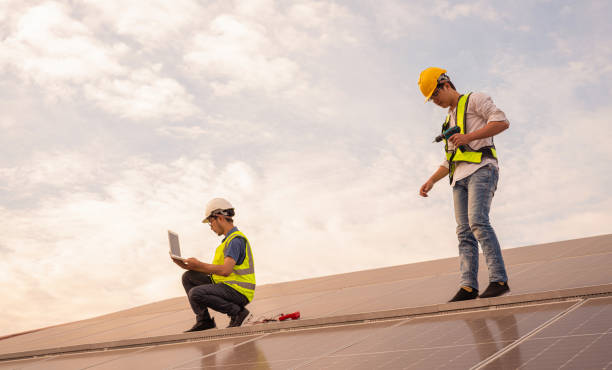
Replacing your roof is a major home improvement project, but what happens when solar panels are installed on top?
Can they stay in place, or must they be removed before roofing work begins?
In most cases, solar panels must be temporarily removed before a complete roof replacement. Once the new roof is installed, the panels can usually be reattached and returned to operation.
If you’re planning a roof replacement this fall, understanding the removal process, contractor responsibilities, scheduling, and paperwork can help you avoid unnecessary delays.
Do Solar Panels Need to Be Removed During Roof Replacement?
Most complete roof replacements require removing solar panels because roofers need access to the materials underneath. Leaving panels in place can prevent contractors from properly inspecting and replacing damaged roofing materials.
Why Removal Is Usually Necessary
Solar panels are secured using mounting equipment attached to the roof structure. During replacement, roofers must remove old materials, inspect the decking, and install new roofing components.
The removal process generally includes:
- Safely shutting down the solar system.
- Disconnecting electrical connections.
- Detaching panels and necessary mounting components.
- Storing the equipment securely during construction.
- Reinstalling and testing everything afterward.
Minor roof repairs might only require removing a few panels. However, complete replacements typically require removing the entire affected solar array.
Who Is Responsible for Removing and Reinstalling Solar Panels?
Roofing companies and solar installers handle different parts of the project. Establishing their responsibilities before construction helps prevent confusion and unexpected expenses.
Contact Your Original Solar Installer
Start by contacting the company that installed your solar system. Ask whether it offers panel removal and reinstallation services.
Your original installer may already have records of the equipment, mounting system, and warranty requirements.
If the company is unavailable, contact a qualified solar contractor experienced in removing and reinstalling existing systems.
Understand Each Contractor’s Role
Before approving the project, clarify who will handle each task.
|
Task |
Responsible Professional |
|
Disconnecting solar equipment |
Solar professional |
|
Removing and storing panels |
Solar installation team |
|
Removing existing roofing |
Roofing contractor |
|
Installing the replacement roof |
Roofing contractor |
|
Reinstalling solar panels |
Solar professional |
|
Testing the restored system |
Solar professional |
Ask both contractors who is responsible if equipment becomes damaged during removal, storage, or reinstallation.
Make sure these responsibilities appear in your written agreements.
How Does Solar Panel Removal Affect Your Roofing Schedule?
A roof replacement involving solar panels requires additional scheduling because roofing and solar contractors must coordinate their work.
Booking the roofer before arranging panel removal can delay the entire project.
Follow the Correct Work Sequence
A typical project follows seven steps:
The total project duration depends on roof complexity, weather, contractor availability, and inspection requirements.
Account for Fall Weather
Fall roofing projects may experience interruptions from rain, wind, or reduced daylight.
Ask your contractors what happens if weather delays the roof installation.
For example, if roofing work takes longer than expected, the solar installer may need to reschedule the reinstallation appointment.
Keeping both teams informed helps prevent unnecessary downtime.
What Should You Confirm Before Signing Contracts?
Roof replacement and solar reinstallation often involve separate agreements. Reviewing costs, materials, and warranties beforehand can prevent disagreements later.
Review the Solar Removal Estimate
Request a written estimate explaining exactly what is included.
Important details include:
- Panel removal and reinstallation costs.
- Temporary equipment storage.
- Replacement mounting components, if necessary.
- Roof attachment flashing and seals.
- Electrical reconnection and system testing.
- Additional charges for unexpected work.
Ask whether the new roofing material requires changes to the existing mounting system.
Check Your Warranty Conditions
Solar equipment, installation workmanship, and roofing materials may have separate warranties.
Some agreements specify who can remove or modify installed equipment without affecting coverage.
Review these terms before hiring contractors and request written confirmation of any warranty changes.
What Happens After Solar Panels Are Reinstalled?
Once the replacement roof is complete, the solar installer should inspect the equipment and verify that the system is ready for operation.
This final stage helps identify visible installation issues before the contractor leaves.
Inspect Panels and Mounting Equipment
Ask the installer to examine the panels, wiring, mounting brackets, and roof attachment areas.
Construction debris or dust may remain on the panel surfaces after roofing work. Homeowners considering solar cleaning for rooftop panels in Riverside CA can discuss whether professional cleaning is appropriate during the post-installation inspection.
Any cleaning should follow manufacturer recommendations.
Confirm Proper System Operation
Request confirmation that the system has been tested after reconnection.
The contractor may inspect electrical connections, inverter information, and monitoring readings.
Also ask when the system should resume normal operation and whether additional approvals are necessary.
Which Documents Should You Keep After Roof Replacement?
Keeping complete records makes future warranty claims, repairs, and property transactions easier to manage.
Because two contractors may work on the same roof, accurate documentation is particularly important.
Save These Essential Records
Keep copies of:
- Roofing and solar contractor agreements.
- Final invoices and payment receipts.
- Roofing material and workmanship warranties.
- Solar removal and reinstallation records.
- Required permits and inspection reports.
- Before-and-after project photographs.
- Final solar system testing documentation.
Record the dates when the panels were removed and reinstalled.
Organizing these documents in one digital folder can help identify the appropriate contractor if a problem develops later.
Conclusion
Replacing a roof with solar panels requires more coordination than a standard roofing project, but planning makes the process manageable.
Contact your solar installer before scheduling construction, clarify contractor responsibilities, review warranty requirements, and confirm the project timeline.
After reinstallation, arrange proper system testing and retain all relevant records. These steps help ensure your new roof and existing solar equipment are ready for continued use.