
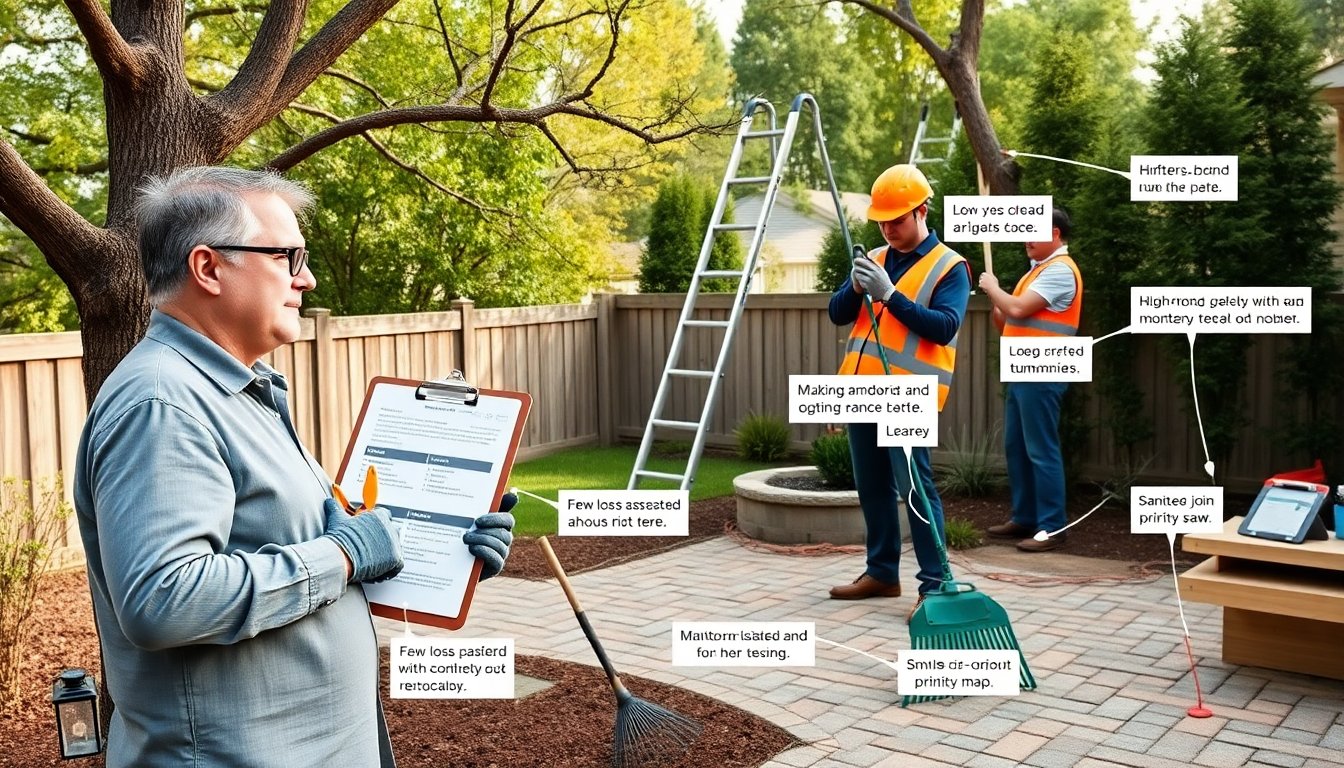
Diy decor branchandstone helps people keep yards safe and tidy. The guide gives clear steps for trees, shrubs, and stone hardscapes. It shows how to inspect risks, cut branches safely, and care for pavers and gravel. The reader will learn simple routines they can follow each season. The text uses direct advice and short steps for quick action.
Key Takeaways
- Home branchandstone maintenance begins with a thorough property survey, identifying hazards and prioritizing repairs for safety and aesthetics.
- Pruning is essential for tree health and safety; remove dead or crossing branches carefully while preserving the main structure and using clean, sharp tools.
- Timing pruning correctly—late winter for trees and post-bloom for shrubs—optimizes plant health and encourages growth.
- Act immediately on dangerous branches that touch power lines, block views, or pose structural threats to prevent accidents.
- Avoid common pruning mistakes by cutting just outside the branch collar, not removing over 25% of live foliage, and sanitizing tools to prevent disease spread.
- For large limbs or complex cuts, hire a certified arborist to ensure safety and maintain long-term plant health.
How To Assess Your Property’s Branch And Stone Maintenance Needs
Home branchandstone maintenance starts with a quick survey. The homeowner walks the yard and notes dead limbs, cracked branches, leaning trees, and roots lifting stone. They map high‑use areas such as play spaces, driveways, and paths. They check stonework for loose pavers, cracked mortar, and uneven gravel. They look for drainage issues that undermine walls or wash out joints. They document findings with photos and a short list. They rank items by risk: immediate hazard, short‑term fix, or seasonal project. This list guides time and budget for home branchandstone maintenance.
Pruning Trees And Shrubs For Health, Structure, And Safety
Pruning forms a key part of home branchandstone maintenance. Proper pruning improves tree health and reduces hazards. The homeowner focuses on removing dead wood, crossing branches, and narrow crotches. They preserve the main scaffold and remove small limbs first. They work from the outside in and keep cuts clean. They avoid heavy thinning that stresses the plant. They use sharp tools and clean blades. For large limbs, they hire a certified arborist. The arborist reduces risk and preserves long‑term structure while following industry safety standards.
When To Prune: Seasonal Timing And Signs You Should Act Now
Home branchandstone maintenance requires timing for best results. The homeowner prunes most deciduous trees in late winter while the tree is dormant. They prune flowering shrubs after bloom to protect next year’s flowers. They remove storm‑damaged limbs as soon as weather allows. They act now if branches touch power lines, block sight lines, or threaten structures. They prune infected or dead limbs immediately to stop disease spread. They delay heavy cutting on oaks in summer in areas with oak wilt. They schedule routine pruning every three to five years for mature trees.
How To Prune Properly And Avoid Common Mistakes
Home branchandstone maintenance follows simple pruning rules. The homeowner makes cuts just outside the branch collar. They avoid flush cuts and stub cuts. They remove competing leaders and thin crowded branches to improve airflow. They do not remove more than 25 percent of live foliage in one year. They avoid topping trees. They sanitize tools between diseased cuts using alcohol or a bleach solution. They stage large removals in sections and use proper rigging or hire a pro. They dispose of infected wood away from other plants to reduce reinfection risk.