
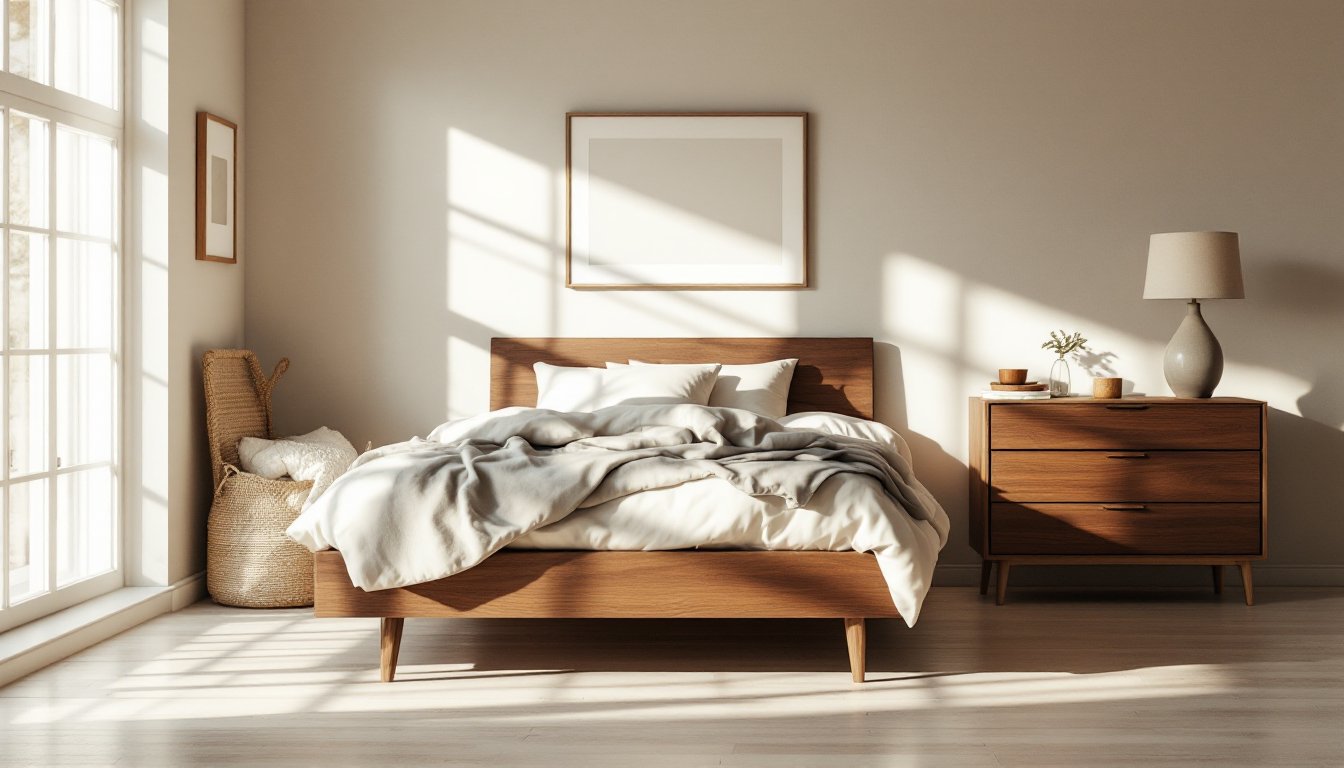
Wooden bedroom furniture isn’t a trend, it’s a foundational choice that homeowners have relied on for generations. Whether someone is furnishing a master bedroom, a guest room, or a child’s space, solid wood or quality wood-veneer pieces bring durability, warmth, and a natural aesthetic that synthetic alternatives struggle to match. In 2026, as homeowners increasingly value sustainability and longevity over disposable décor, wooden bedroom furniture continues to prove its worth. This guide walks through what makes wood furniture a smart investment, which types of wood deliver the best performance, the essential pieces that anchor a bedroom, design styles that won’t feel dated next year, and the straightforward maintenance steps that keep wooden furniture looking sharp for decades.
Key Takeaways
- Wooden bedroom furniture offers superior durability, repairability, and natural aesthetics that outlast disposable alternatives and justify the higher upfront investment.
- Hardwoods like oak, maple, walnut, and cherry excel in high-traffic pieces such as bed frames and dressers, while softwoods like pine work best for cottage or farmhouse styles with proper protective finishes.
- Essential wooden bedroom furniture includes a solid wood bed frame with quality joinery, a durable hardwood dresser with deep drawers, and protective nightstands—prioritizing function over decorative pieces.
- Wooden bedroom furniture adapts to multiple design styles, from traditional dark finishes to modern minimalist lines, with satin or matte polyurethane finishes providing the best protection and appearance.
- Basic maintenance—weekly dusting, immediate spill cleanup, humidity control, and annual paste wax application—keeps wooden furniture looking sharp and functional for decades without fussy upkeep.
Why Wooden Bedroom Furniture Remains a Top Choice
Wooden bedroom furniture works because it hits multiple marks at once. First, durability: a solid wood bed frame or dresser can outlast three or four inferior alternatives, making the higher upfront cost worthwhile over time. Second, repairability. A dent in a wood dresser can be sanded and refinished: a chipped veneer on particle board usually means replacement. Third, aesthetics. Wood brings organic texture and color variation that flat finishes can’t replicate, and it plays well with virtually any design direction, from rustic farmhouse to modern minimalist.
Beyond the practical side, there’s something reassuring about wood. It feels substantial. When someone pulls open a wooden drawer, the hardware moves smoothly and the joinery holds tight. Contrast that with wobbly pressed-board nightstands, and the difference becomes obvious. Wooden bedroom furniture also adapts to life changes. Refinish it, reupholster the headboard, or move it to a new space, wood pieces grow with a homeowner’s style rather than becoming dated fixtures.
Types of Wood and Their Characteristics
Understanding wood types matters because not all wood behaves the same way in a bedroom environment. Humidity, temperature swings, and daily use all affect how wood moves and ages.
Hardwoods vs. Softwoods
Hardwoods come from deciduous trees like oak, maple, walnut, and cherry. They’re denser, more scratch-resistant, and hold stain and finish beautifully. Oak is common in traditional bedroom sets and shows grain clearly: maple is harder and takes a smooth finish: walnut is rich and prestigious: cherry darkens with age, adding character. Hardwoods cost more upfront but justify the investment in high-traffic pieces like bed frames and dressers.
Softwoods include pine, fir, and cedar. They’re lighter, less expensive, and easier to work with, but they dent and scratch more easily. Pine furniture has a rustic charm and works well for cottage or farmhouse styles, but the wood requires protective topcoats and careful handling. Cedar naturally resists insects and odors, making it a smart choice for drawer boxes or cedar chests, though it’s not ideal for tabletops or visible surfaces that need durability.
Many mid-range bedroom sets blend both: a hardwood frame with softwood drawer boxes and back panels. This approach cuts costs without sacrificing the visible structure’s longevity. Engineered wood (plywood or MDF with veneer) falls into a middle ground, veneer over plywood is stable and economical for drawer fronts and cabinet sides, though the core won’t handle point loads like solid wood does.
Essential Wooden Bedroom Furniture Pieces
A functional wooden bedroom doesn’t need much. Prioritize what gets heavy use.
Bed Frame: The anchor piece. A solid wood bed frame, whether platform, slatted, or box-spring compatible, outlasts everything else in the room and sets the tone. Hardwood frames handle weight and movement without squeaking or weakening at joints. Look for mortise-and-tenon or dowel joinery, which are stronger than simple butt joints held by nails.
Dresser: Storage and visual weight. A wooden dresser with deep drawers handles daily wear better than shallow alternatives. Hardwood construction and wood-on-wood drawer slides (rather than cheap metal hardware) feel like quality and last longer. A 5-drawer dresser covers most storage needs without dominating the room.
Nightstands: Bedside tables take repeated drawer opening, water rings from cups, and the weight of lamps. Solid wood nightstands with a protective finish resist these minor insults. A simple 1- or 2-drawer design keeps the bedroom visually light.
Optional but worthwhile: A wooden chest or bench at the foot of the bed adds storage and style without floor clutter. A wardrobe or armoire suits small bedrooms where closet space is tight.
Skip decorative-only pieces early on. Every item should earn its spot through function or genuine visual impact.
Styles and Finishes to Match Your Aesthetic
Wood’s versatility means one material works across design worlds.
Traditional/Classic: Dark finishes, walnut stain or espresso, paired with detailed joinery and ornamental hardware. Formal, elegant, and timeless. Works in formal master bedrooms and reads instantly as quality.
Rustic/Farmhouse: Light or natural finishes on rougher-grain wood like pine or oak. Distressed edges and visible knots are features, not flaws. Pairs well with wrought-iron hardware and linen textiles.
Modern/Minimalist: Light natural finishes, simple joinery, and clean lines. Hardwoods like maple or ash show minimalist silhouettes without distraction. Hardware is minimal or hidden.
Mid-Century Modern: Tapered legs, mixed wood tones, and organic curves. Walnut and teak were hallmarks: today, reproductions in similar finishes capture the look affordably.
On the finish side, a protective topcoat, polyurethane, lacquer, or catalyzed lacquer, matters more than stain color. Polyurethane is durable, water-resistant, and easy to apply at home: lacquer dries faster and feels silkier but requires a spray gun. A matte or satin finish hides fingerprints and dust better than high gloss. Unfinished or oil-only wood looks warm but demands more maintenance and offers less protection against spills.
Caring for Your Wooden Bedroom Furniture
Wooden bedroom furniture doesn’t need fussy upkeep, but basic care extends its life dramatically.
Regular cleaning: Dust with a soft, dry cloth weekly. For sticky spots or fingerprints, wipe with a barely damp cloth (water’s the enemy of wood) and dry immediately. Avoid furniture polish with silicone, it builds up and makes the surface slippery and dull over time. Paste wax, applied 1-2 times yearly, nourishes the wood and provides a protective layer without buildup.
Spill management: Wipe water or moisture within minutes. Wood swells when wet and can stain if liquid sits. Coasters under drinks, felt pads under lamps, and a “no eating in bed” rule prevent most damage.
Temperature and humidity: Wood moves with humidity. Central heating dries air in winter, causing wood to shrink slightly: summer moisture makes it swell. This natural movement is normal, but extreme swings or chronically dry/damp rooms accelerate deterioration. A humidifier in winter or dehumidifier in very humid climates helps stabilize the environment.
Scratches and minor damage: Light surface scratches disappear with a matching stain pen or touch-up marker. Deeper dents in hardwood can be sanded smooth and re-stained. Loose hardware gets tightened before it causes more damage. If finish wears through in high-traffic spots, local recoating beats full refinishing.
Refinishing: After 20-30 years, wooden bedroom furniture may need a refresh. Sand to bare wood, apply new stain if desired, and seal with fresh polyurethane. It’s labor-intensive but resurrects well-made pieces that would otherwise land in a landfill.
Conclusion
Wooden bedroom furniture represents an investment in function, beauty, and sustainability. Choosing the right wood type, focusing on durable pieces, and maintaining them properly ensures that a bedroom stays comfortable and visually cohesive for decades. Whether building a bedroom from scratch or upgrading one piece at a time, solid wood or quality wood-veneer furniture delivers longevity and character that disposable alternatives simply can’t match.