
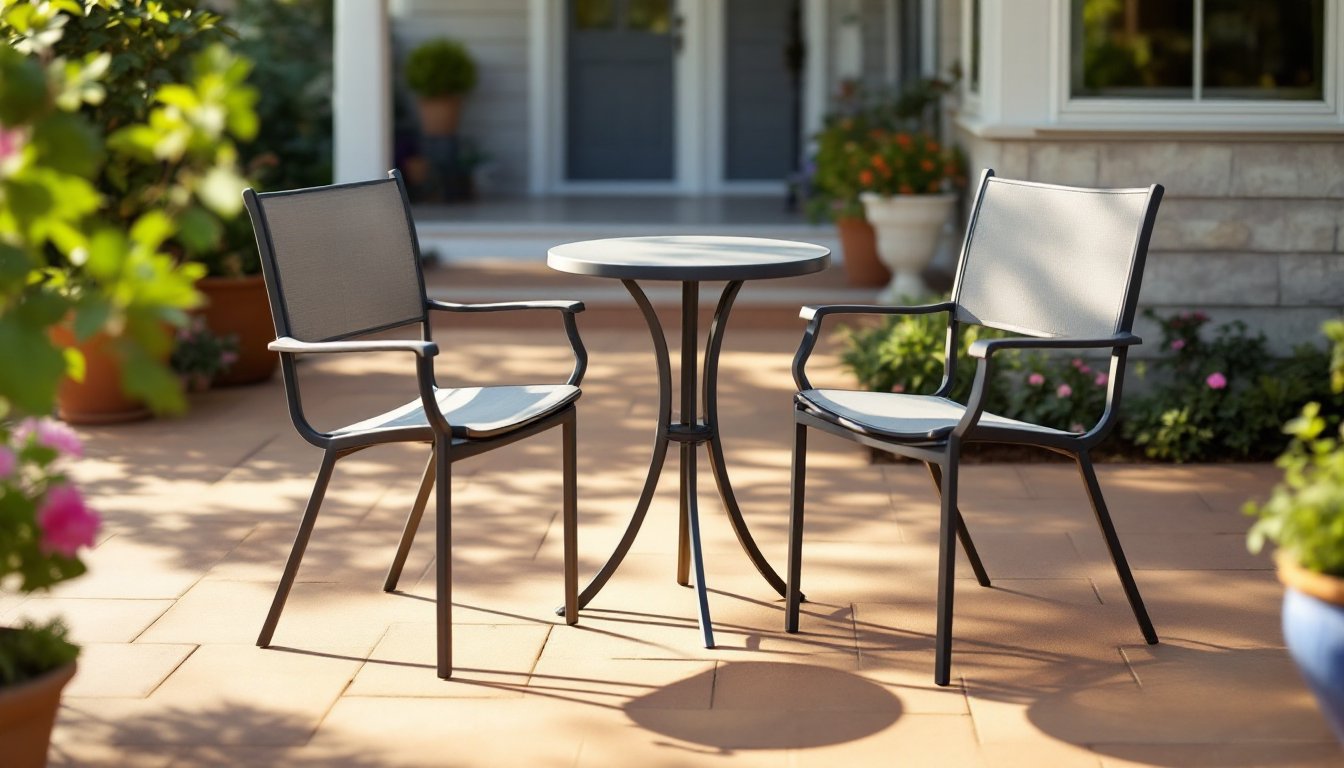
A bistro set transforms even a modest patio into an inviting outdoor dining area. Unlike sprawling sectionals or heavy picnic tables, a patio furniture bistro set delivers function and charm in a compact footprint, ideal for renters, small yards, or anyone who wants a cozy spot for morning coffee or evening meals. The appeal lies in versatility: a bistro set works on balconies, gardens, decks, or poolside. As outdoor living spaces become increasingly central to home enjoyment, choosing the right bistro set matters. This guide walks through what makes these sets practical, how to evaluate materials and styles, and the maintenance habits that keep them looking great season after season.
Key Takeaways
- A patio furniture bistro set offers compact, versatile outdoor dining for any space—from balconies to small patios—at an affordable price point of $150–$800.
- Powder-coated aluminum provides the best balance of low maintenance, rust resistance, and durability for most homeowners across varied climates.
- Wood bistro sets deliver natural beauty and comfort but require seasonal maintenance (sanding and sealing every 12–24 months) and proper storage.
- Measure your space carefully and allow 36–48 inches of clearance around the set for comfortable chair pull-back and movement.
- Proper maintenance—including rinsing aluminum, inspecting steel for rust, and storing cushions indoors—extends a bistro set’s lifespan to 5–15+ years.
- Choose a design style that complements your home’s exterior and intended use, whether modern minimalist, rustic farmhouse, or Mediterranean cafe aesthetic.
What Makes a Bistro Set the Ideal Choice for Your Outdoor Space
A bistro set typically consists of a small table and two to four chairs, sized for intimate gatherings. This footprint is the real win. You get dedicated outdoor dining without dominating your yard or patio. A standard bistro table measures around 24 to 30 inches in diameter or width, with chairs that stack or tuck beneath, a huge advantage when space is tight.
Beyond size, bistro sets solve the “middle ground” problem in outdoor furniture. They’re larger than a side table but far less commitment than a full dining set. Homeowners appreciate the clean aesthetic: a bistro set doesn’t scream formal dining, yet it’s intentional and complete. Unlike random seating arrangements, a matching set feels cohesive and finished. They also suit a range of uses, morning yoga and coffee, lunch with a neighbor, evening drinks, or even solo reading with a side table for a book and beverage.
Cost-wise, bistro sets sit lower on the investment scale than larger dining furniture. A decent set starts around $150–$300, with premium options reaching $800 or more. This affordability means you can experiment with styles or replace a set without major regret. For renters or homeowners testing their outdoor space, this flexibility is invaluable.
Materials and Durability: Choosing a Set Built to Last
Metal, Wood, and Synthetic Options Compared
The material you choose dictates durability, maintenance, and longevity. Each option has tradeoffs.
Steel and Aluminum are the most common metal choices. Aluminum is lightweight, rust-resistant, and requires minimal maintenance, a simple wash with a garden hose works. Steel is heavier, more robust, and typically cheaper, but it needs regular inspection for rust, especially in coastal or humid climates. If you choose steel, look for powder-coated finishes that protect against rust: touch up any chips promptly. Both metals conduct heat, so metal chairs can get uncomfortable in direct sun, keep that in mind for your climate.
Wood bistro sets, teak, eucalyptus, or acacia, offer warmth and natural beauty. These hardwoods naturally resist rot and insects, making them suited for outdoor use. But, wood requires seasonal care: sand and seal or stain every 12 to 24 months, depending on sun exposure and rainfall. Wood chairs are comfortable and don’t heat up, but they’re heavier to move and need covered storage in heavy rain or snow. Expect to invest more upfront and in ongoing maintenance.
Synthetic materials like resin wicker or plastic-lumber blends are a practical middle path. They mimic the look of wood or wicker, resist fading and rot, and ask almost nothing of you, just occasional cleaning. The downside is durability in extreme weather: UV exposure can cause subtle color shift over years, and cheaper synthetics may become brittle. Mid-range to premium synthetics hold up better.
For most homeowners in varied climates, powder-coated aluminum offers the best balance of low maintenance, durability, and affordability. It won’t rust, doesn’t require sealing, and handles temperature swings well.
Design Styles and Aesthetic Appeal
Finding the Right Look for Your Home
Bistro sets span a wide range of aesthetics. Your choice should complement your home’s exterior and your patio vibe.
Modern and minimalist sets feature clean lines, often in black or natural aluminum with simple slatted or mesh seats. These work beautifully against contemporary homes or as a neutral anchor in eclectic yards. They won’t date quickly and pair well with potted plants or artwork.
Rustic or farmhouse styles lean into wood or wrought-iron frames with curved details. These suit cottage-style homes or gardens with established landscaping. A wooden bistro set stained dark gray or weathered silver fits this aesthetic naturally.
Mediterranean or French cafe looks, the classic rattan bistro chair with a small round metal table, evoke a European street-side escape. If you love that vibe and live in a dry climate, this style delivers. Just know that rattan requires covered storage in wet winters.
Transitional designs blend modern simplicity with traditional elements, think aluminum frames with plush, weather-resistant cushions. Cushions add comfort and inject color, but they require annual storage and occasional cleaning.
Before buying, walk your patio and ask: What’s already there? Does the set need to blend in or stand out? A bistro set near a house wall should echo your home’s materials (wood, stone, siding color). An island set can be bolder. Avoid the temptation to buy based on photos alone: check dimensions and finishes in person if possible, or order from a retailer with a good return policy.
Space and Sizing Considerations for Your Patio
Measure your patio or balcony before shopping. A 24-inch round table is the smallest practical size: it fits tight spaces but limits place settings to two. A 30-inch round or 36×48-inch rectangular table comfortably seats four and gives wiggle room for place settings and serving dishes.
Allow at least 36 to 48 inches of clearance on all sides for chair pull-back and walking room. If your patio is 6×8 feet, a 30-inch round bistro set with two chairs takes up roughly 10 to 12 square feet when chairs are pulled out, manageable but snug. A 4×6-foot balcony? Stick with a 24-inch table and 2 chairs.
Consider traffic flow. Position the set away from doorways and clear of sight lines into the house. A corner placement often maximizes usable space. Also think vertically: if you’re tight on square footage, a tall bistro table (bar height, around 36 inches instead of standard 30 inches) can feel less cramped because chairs tuck further underneath.
Weight and anchoring matter on elevated decks or windy locations. A lightweight aluminum or resin set is easier to move, but in high wind, heavier wood or weighted-base sets won’t blow over. Check local wind patterns or exposure before choosing.
Maintenance and Care Tips for Long-Term Use
A bistro set lasts 5 to 15+ years depending on material and climate. Smart maintenance extends that life and keeps it looking new.
Aluminum sets need the least fuss. Rinse with a hose once or twice a season, or wipe with a damp cloth. If the finish fades or looks dull, a gentle hand wash with mild soap and water restores it. Store cushions indoors during winter or in waterproof storage boxes.
Steel sets require a closer eye. After rain or in humid months, inspect for surface rust (brownish spots). Light rust can be scrubbed off with fine-grit sandpaper: if rust is deep, consider professional repainting or replacement. Drain any water pooling in table edges to prevent corrosion from below.
Wood sets ask for seasonal attention. Before summer, clean off winter grime and inspect for cracks or soft spots. Reapply a water-resistant stain or sealant every 18 to 24 months. Sand smooth any rough grain before the next seal coat. Store indoors or under a cover in harsh winters. A properly maintained wood set can outlast cheaper alternatives simply because it can be sanded and re-sealed.
Synthetic materials resist most damage but benefit from yearly cleaning. Wash with mild soap and a soft brush to prevent algae buildup, especially in shaded, damp spots. Check manufacturer guidance on UV protectants: some recommend occasional application to prevent fading.
Cushions and fabric are your set’s Achilles heel. Remove them after each use or at season’s end, and store flat or loosely rolled indoors. Wash covers per instructions, or replace worn ones rather than letting stains set. Mold and mildew thrive in damp storage, so ensure cushions are completely dry before storing.
Keep hardware, bolts, screws, and hinges, clean and dry. A light coat of WD-40 or silicone spray prevents rust and keeps things moving smoothly. Check tightness once a year, especially after winter or rough weather.
Bring It All Together
A bistro set is one of the smartest outdoor furniture investments a homeowner can make. It delivers style, function, and intimacy in a footprint that works for nearly any space. By choosing the right material for your climate, selecting a style that complements your home, sizing appropriately, and committing to basic maintenance, you’ll enjoy years of relaxed outdoor meals and moments. Start with honest measurement and a clear picture of how you’ll use the space, the best bistro set is the one you’ll actually sit in.