
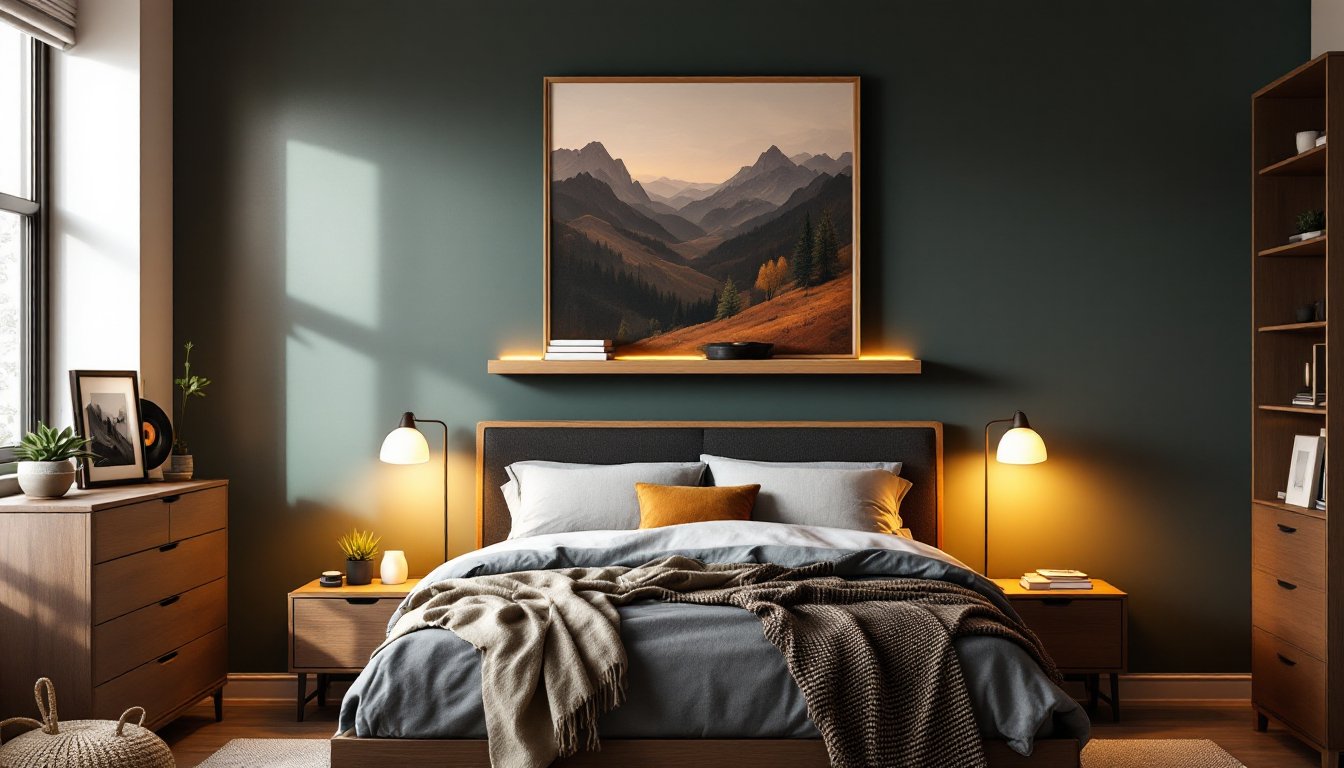
Creating a bedroom that reflects personal style doesn’t require expensive renovations or hiring a designer. Whether someone’s starting from scratch or refreshing an existing space, solid men’s bedroom ideas focus on function, comfort, and authentic aesthetics. The best masculine bedroom ideas balance clean lines with inviting textures, practical storage with visual appeal. A well-designed male bedroom decor becomes a personal retreat, a place where style and comfort coexist naturally. This guide walks through seven actionable design strategies that work for apartments, houses, and tight spaces alike. No Pinterest fluff here, just real approaches to transform a bedroom into a space that actually feels like home.
Key Takeaways
- Define your design style foundation first—whether modern minimalist, industrial, or rustic—before selecting furniture or paint to ensure a cohesive men’s bedroom design.
- Build a three-layer color palette with one dominant neutral, one secondary tone, and one accent color to create depth and sophistication without sterile results.
- Invest in fewer, high-quality furniture pieces like a solid bed frame and sturdy dresser that anchor the room and last decades rather than cheap alternatives.
- Layer your lighting with dimmers, task lamps, and accent lighting to shift from functional brightness to warm ambiance that supports better sleep and mood.
- Use vertical storage aggressively in small spaces with floating shelves, wall-mounted cabinets, and under-bed bins to maximize square footage and maintain perceived spaciousness.
- Personalize the space with intentional art, textiles, and meaningful objects that reflect actual interests—aim for 5-7 authentic pieces rather than cluttered décor.
Define Your Design Style Foundation
Before picking furniture or paint colors, clarify what “style” means in the bedroom. Is the goal modern minimalist, industrial, rustic, mid-century modern, or contemporary? A cohesive design style foundation anchors everything that comes after, from wall finishes to hardware choices.
Start by gathering inspiration honestly. Browse design photos, but ask: Does this actually feel like “me,” or does it just look cool online? Sketch out a few adjectives describing the desired vibe, clean, warm, edgy, cozy. These words guide material and color decisions far better than chasing trends.
The foundation also means assessing the room’s constraints. Low ceilings, small square footage, odd window placement, or limited natural light all shape what works. Industrial-style guy bedroom ideas thrive in spaces with exposed brick or concrete: cozy masculine style flourishes with layered textures and warm lighting. Be realistic about the room’s bones before committing to a design direction.
Choose a Sophisticated Color Palette
Color sets the emotional tone for the entire space. Many men gravitate toward neutral palettes, charcoal, gray, black, cream, beige, which provide a calm backdrop and allow accent colors to shine. But, neutrals alone can feel sterile without depth.
Build a three-layer palette: one dominant neutral (wall color), one secondary tone (furniture or large elements), and one accent color (artwork, bedding, pillows, or a single accent wall). For masculine bedroom decor, deep blues, forest greens, warm grays, and muted earth tones pair beautifully with black or dark wood. These combinations feel intentional and sophisticated without screaming “design project.”
Paint is the cheapest way to reset a room. Choose a quality primer and paint with low VOC (volatile organic compounds) to reduce fumes, especially important in a bedroom. Two coats of a satin or eggshell finish are standard: avoid glossy finishes in bedrooms as they reflect light unnaturally. If painting an accent wall, measure twice and use painter’s tape to ensure clean edges. Test samples on the actual wall in different lighting before committing to full coverage.
Invest in Quality Furniture and Layout
A bedroom’s layout determines whether it feels spacious or cramped. The bed is typically the focal point and usually goes on the wall opposite the door or window. Nightstands flanking the bed offer balance and function: they don’t need to match but should be proportionate to the bed size. A queen bed works well in most bedrooms: a full is tight if the room’s under 120 square feet.
For bedroom ideas for men, prioritize fewer, better pieces over lots of cheap furniture. A solid bed frame, quality mattress, and sturdy dresser last decades and anchor the room. Wood dressers with simple lines, walnut, oak, or stained pine, complement most design styles. Metal frames or upholstered headboards add visual interest without taking up extra floor space.
Layout matters for flow. Leave at least 24 inches of walking space on both sides of the bed and enough clearance to open dresser drawers fully. In small rooms, vertical storage (tall shelving, wall-mounted cabinets) frees floor space. Avoid pushing all furniture against walls, sometimes floating the bed or angling a dresser creates a more intentional, designed look. Measure the room and sketch out a few arrangements before moving heavy pieces.
Incorporate Lighting That Sets the Mood
Overhead ceiling fixtures alone make any bedroom feel harsh and institutional. Layered lighting, ceiling, task, and accent, creates depth and lets the user control ambiance.
Start with a dimmer-compatible ceiling fixture or recessed lights. Dimmers aren’t just nice-to-have: they’re essential for a bedroom that shifts from bright (getting ready) to warm (winding down). Wall sconces or bedside lamps provide focused task lighting for reading without casting light across the entire room. A pair of matching sconces flanking the bed works well: alternatively, a single bedside lamp and a dresser lamp balance the space.
Accent lighting, LED strips behind the headboard, under floating shelves, or around a mirror, adds sophistication and makes the room feel larger. Warm white bulbs (2700K color temperature) are best for bedrooms: cooler white (5000K+) suppresses melatonin and disrupts sleep. If budget is tight, start with one good table lamp and a ceiling fixture, then add task lighting later. Avoid cheap plastic lamp bases that look like dorm-room hand-me-downs: simple metal, wood, or ceramic bases maintain the room’s visual integrity.
Add Functional Storage Solutions
Clutter erodes the calm that a bedroom should provide. Effective storage keeps the space clean without requiring daily tidying marathons. Open shelving looks modern but demands organization: closed cabinets or dressers hide mess but take up wall space. A mix of both works best.
For bedroom ideas for men in small spaces, use vertical storage aggressively. Floating shelves above the dresser, wall-mounted cabinets, or a tall narrow bookcase maximize square footage. Drawer organizers (cedar-lined or soft-close options) keep clothing structured: shelf dividers prevent stacks from toppling. Under-bed storage bins work for off-season items, but keep them out of sight, visibility matters for perceived spaciousness.
DIY storage projects like shelving are straightforward. Find studs with a stud finder (critical for weight-bearing), use 2-by-6 or 2-by-8 lumber for shelves depending on span and load, and support them with metal brackets or standards. Toggle bolts work in drywall if studs aren’t available, but they’re less reliable for heavy loads. Finish shelves with stain or paint to match the room’s palette. A well-organized closet with simple shelving above hanging rods doubles usable space, this often requires no studs if using closet-specific systems.
Personal Touches and Décor Elements
The difference between a generic bedroom and one that feels like home is personalization. Art, textiles, and meaningful objects transform the space from showroom to retreat.
Choose art intentionally. Large pieces (36 by 48 inches or bigger) make more impact than small scattered prints. Black frames or natural wood look cohesive: vary frame styles slightly if hanging multiple pieces to avoid a hotel-lobby vibe. Textiles, a quality bedspread, layered pillows, a throw blanket, add warmth and texture. Mix materials: linen, cotton, wool, or canvas create visual variety while feeling deliberate rather than cluttered.
Incorporate masculine bedroom decor through functional objects that also serve as décor. A vintage turntable, a few favorite books stacked on a shelf, a framed photograph, a small plant, or a piece of meaningful gear (climbing rope, vintage tools, a signed sports item) tell a story. These elements shouldn’t feel staged: they should reflect actual interests. A guitar leaning in the corner, a small wooden side table, or industrial-style wall-mounted shelving all contribute to manly bedroom ideas that feel authentic. Keep the count modest, five to seven meaningful objects scattered throughout beats twenty trinkets competing for attention.
Conclusion
Building a stylish, functional men’s bedroom doesn’t demand a large budget or professional help. Clear design choices, a defined style, thoughtful color palette, quality furniture, intentional lighting, smart storage, and personal touches, create a retreat that works hard every day. Start with one or two changes: paint a wall, add better lighting, or arrange furniture intentionally. These foundational moves make an immediate difference. A bedroom that reflects personality and functions well becomes a space worth spending time in. That’s the real payoff of putting thought into the design upfront.