
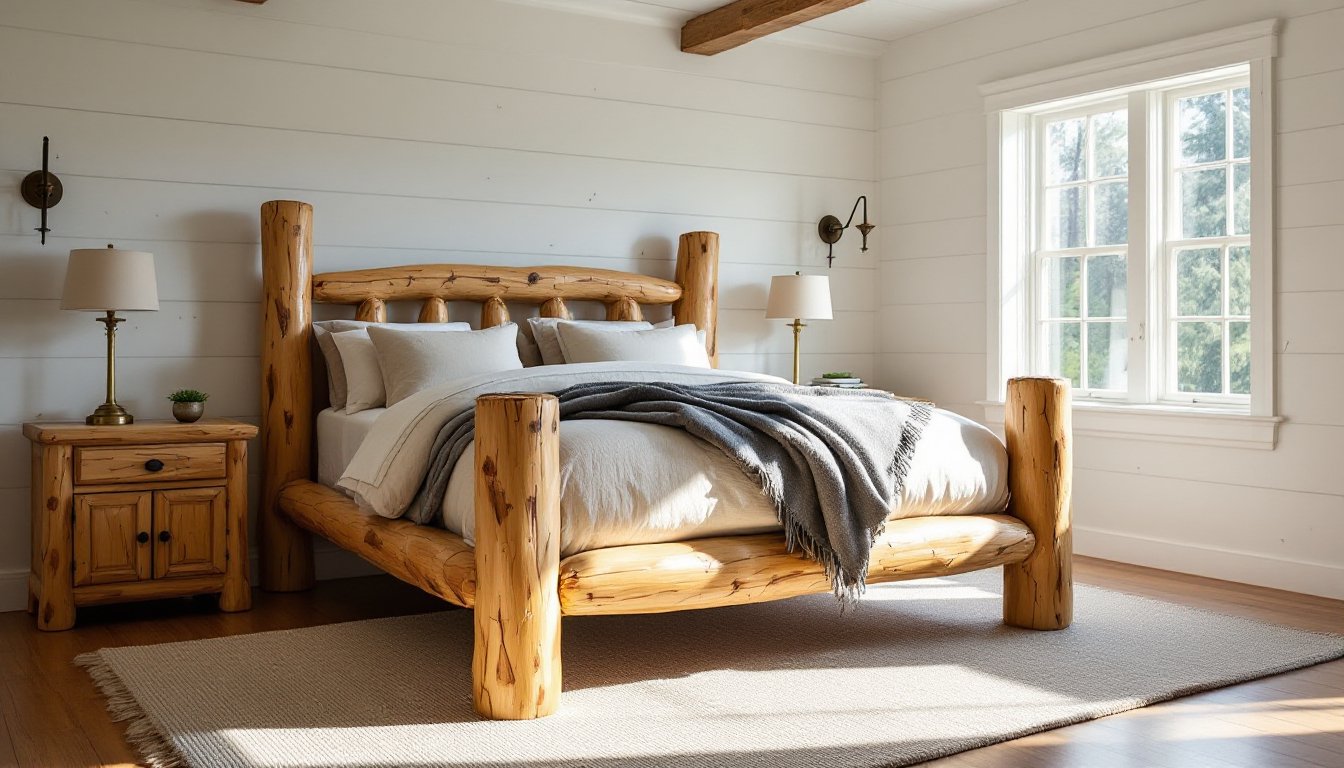
Rustic log bedroom furniture has made a strong comeback in 2026, drawing homeowners seeking warmth and authenticity in their private spaces. Unlike mass-produced bedroom sets, log furniture brings natural character, durability, and a connection to craftsmanship that resonates with anyone tired of cookie-cutter designs. Whether someone dreams of a full cabin aesthetic or simply wants to anchor a bedroom with one statement log bed frame, understanding the options, from handcrafted pieces to quality machine-made alternatives, is essential. This guide walks through selecting, styling, and maintaining log bedroom furniture for a retreat that genuinely feels like home.
Key Takeaways
- Log bedroom furniture uses solid wood logs as the structural frame—not veneer—providing unmatched durability, visual presence, and authenticity that mass-produced alternatives cannot deliver.
- When selecting a log bed frame, measure your bedroom carefully, verify joinery quality, and confirm mattress support uses a solid platform or properly spaced hardwood slats to prevent moisture buildup.
- Humidity control is essential for maintaining log furniture; use dehumidifiers in humid climates and humidifiers in arid regions to keep wood stable and prevent warping, cracking, or finish damage.
- Complementary pieces like log nightstands and dressers, paired with neutral textiles and warm-toned lighting, create a cohesive rustic aesthetic without overwhelming the space.
- Quality log bedroom furniture improves with age and can become a family heirloom when built well and maintained properly with annual joint inspections and light finish touch-ups every 3–5 years.
What Defines Log Bedroom Furniture
Log bedroom furniture is built from solid wood logs, typically pine, cedar, or reclaimed timber, cut to specific diameters and often left with the natural bark or hand-peeled finish. The defining characteristic is the log itself: it’s the structural frame, not a veneer over plywood. A true log bed frame uses logs as the footposts, headboard, and support structure, creating a piece that’s simultaneously rustic and engineered for stability.
The appeal goes beyond aesthetics. Real logs provide heft and visual presence that particle board or veneered alternatives simply can’t match. A 12-inch diameter log post as a footpost creates an anchoring focal point: lighter furniture pieces would feel insubstantial by comparison. Most log bedroom pieces also improve with age, developing a rich patina that tells a story.
It’s worth noting that “log-style” furniture exists, typically plywood or MDF with log-textured finishes, but true log furniture requires solid wood. That distinction affects durability, repairability, and long-term value. When shopping, confirm whether a piece uses real logs or a printed veneer. Ask the maker or retailer directly: reputable sellers are transparent about materials.
Popular Log Furniture Styles and Finishes
Log furniture comes in several recognizable styles, each with a distinct visual and practical character.
Rustic cabin style features minimal finishing, logs left mostly natural with a clear matte or satin polyurethane seal. This approach emphasizes knots, grain variation, and color shifts across the wood, creating an authentic, lived-in appearance. A cabin-style log bed works beautifully in mountain homes or farmhouse settings.
Southwestern log furniture often uses smaller-diameter logs (6–8 inches) arranged in geometric patterns or lattice work, sometimes with hand-painted accents or wrought-iron hardware. This style suits desert climates and homes with adobe or stucco exteriors.
Modern rustic blends log elements with clean lines and contemporary finishes, think a log platform bed with a low profile and minimal ornamentation paired with sleek nightstands. It’s a bridge between traditional cabin aesthetics and today’s design sensibilities.
Finish options range from natural (bare wood sealed only) to stained (darker tones like espresso or honey-brown) to painted (less common, but possible). Weather-resistant polyurethane or exterior-grade sealant is standard for pieces exposed to humidity, particularly in bathrooms or covered porches. Indoor bedroom furniture typically uses interior-grade polyurethane, which provides durability without the plastic sheen of heavy lacquer.
Choosing the Right Log Bed Frame
The bed frame is the anchor of any bedroom. A log bed frame typically consists of a 12–16-inch diameter headboard, four corner posts (usually 8–12 inches in diameter), a footboard, and side rails that support the mattress and foundation.
First, measure the bedroom. A king-size log bed (76 inches wide, 80 inches long) is imposing: it claims significant visual weight and requires proportional spacing. A queen (60 × 80 inches) or full (54 × 75 inches) may suit tighter rooms better. Account for nightstands, dressers, and clearance on both sides.
Second, consider mattress support. Most log beds use a solid wood platform or a traditional slatted base (hardwood slats spaced 3 inches apart) rather than a box spring. This approach lets the logs breathe and prevents moisture buildup. A quality slatted base or platform should feel firm underfoot: sag indicates undersized joists or inadequate support structure.
Third, verify joinery quality. Run a hand along joints where posts meet rails. Gaps or movement suggest dry rot, poor construction, or wood shrinkage. Look for visible dowels, mortise work, or heavy-duty bolts. Ask the maker how the frame handles seasonal wood movement, solid wood expands and contracts with humidity, and quality pieces are engineered with this in mind.
Finally, confirm delivery and assembly. A log bed frame weighs 400–800 pounds. Ask whether the seller delivers and assembles on-site, or whether someone will need to hire movers and handle assembly. Some custom makers require final finishing (sanding and sealing) after delivery.
Complementary Pieces for a Complete Look
A single log bed frame can dominate and define a bedroom, but it works best surrounded by supporting pieces.
Log nightstands or log tables echo the bed’s structure and keep the aesthetic cohesive. A small table with a lower-diameter log base (6–8 inches) flanking a bed looks intentional and balanced. Nightstands don’t need to be massive: function matters as much as style.
Log dressers are heavier lifts but create a stunning focal wall opposite the bed. They’re also practical, a six-drawer log dresser provides real storage without needing additional furniture. If budget is tight, prioritize the bed frame and add a dresser later.
Fabric, rugs, and textiles matter enormously. Log furniture is visually heavy and warm-toned: pairing it with wool, linen, or heavy cotton calms the space. A thick wool rug under the bed (8 × 10 feet minimum) anchors the furniture group. Bedding in neutral earth tones, cream, taupe, soft gray, lets the logs shine without visual chaos.
Lighting and hardware complete the picture. Wrought-iron sconces, antique brass pulls on drawers, and warm-toned pendant lights enhance the rustic vibe. Avoid chrome or sleek modern fixtures, which clash with log surfaces.
Don’t feel obligated to match everything perfectly. Mixing log pieces with simple wood nightstands or even upholstered furniture can feel intentional and modern. The key is restraint, too many competing styles muddy the space.
Durability and Maintenance Considerations
Log furniture, when built well and maintained properly, outlasts most conventional bedroom sets. But, logs do require attention.
Moisture is the main concern. Solid wood swells in humid conditions and shrinks in dry air. A bedroom in Florida or near a bathroom needs climate control: running a dehumidifier to maintain 30–50% humidity prevents excessive expansion and protects finishes. Conversely, arid climates (Colorado, Arizona) may require a humidifier to prevent excessive shrinkage and checking (fine cracks in the wood).
Finish maintenance depends on type. A natural matte polyurethane finish needs occasional dusting and a light touch-up every 3–5 years: simply reapply one coat to worn areas. Stained or darker finishes show wear faster but often hide dust better. Avoid harsh cleaners: a damp cloth with mild soap works fine. Never spray water directly on wood.
Inspect joints annually. Check where posts meet rails, headboards, and footboards. Slight shrinkage is normal and expected: gaps wider than 1/8 inch warrant attention. A maker can often re-secure fasteners or apply new finish to prevent further separation. This is preventive maintenance, not a defect.
Pest prevention matters, especially if the log furniture came from or will be near a cabin or rustic setting. Cedar naturally repels insects, but other logs benefit from an insecticide finish or annual inspection. Signs of boring insects (tiny round holes) require professional treatment.
Refinishing is possible but labor-intensive. Sanding a log bed frame by hand is tedious: some owners hire professionals. Refinishing preserves the piece and can refresh appearance if the original finish deteriorates after decades of use.
Conclusion
Log bedroom furniture delivers authenticity, durability, and timeless appeal that mass-produced alternatives struggle to match. The decision between handcrafted and machine-made pieces, combined with thoughtful selection of bed size and complementary furniture, allows any homeowner to create a retreat that reflects genuine craftsmanship. With proper attention to humidity, finishes, and joint maintenance, a quality log bed frame easily becomes a family heirloom. For anyone ready to move beyond temporary furniture and invest in something real, log bedroom furniture remains a smart, rewarding choice.