
Inspiration is usually the starting point of planning a bathroom renovation. You envision clean surfaces, contemporary finishes, and a shower area that is comfortable on a daily basis. But as soon as renovation planning begins, the excitement of browsing design ideas is soon replaced by practical decisions, such as whether you want to install conventional tiles or modern shower panels.
Both options appear appealing and useful at first sight. However, when you look at the issues of installation time, maintenance, durability, and moisture protection, some obvious differences begin to emerge. Bathrooms have high moisture levels, temperature changes, and are used daily, and therefore, the type of materials you choose should work over time.
Thus, it is necessary to comprehend the functioning of each choice in practice.
This article discusses the main differences between shower panels and tiles to enable you to select the most feasible option in remodeling your bathroom.
1. Installation Time and Renovation Efficiency
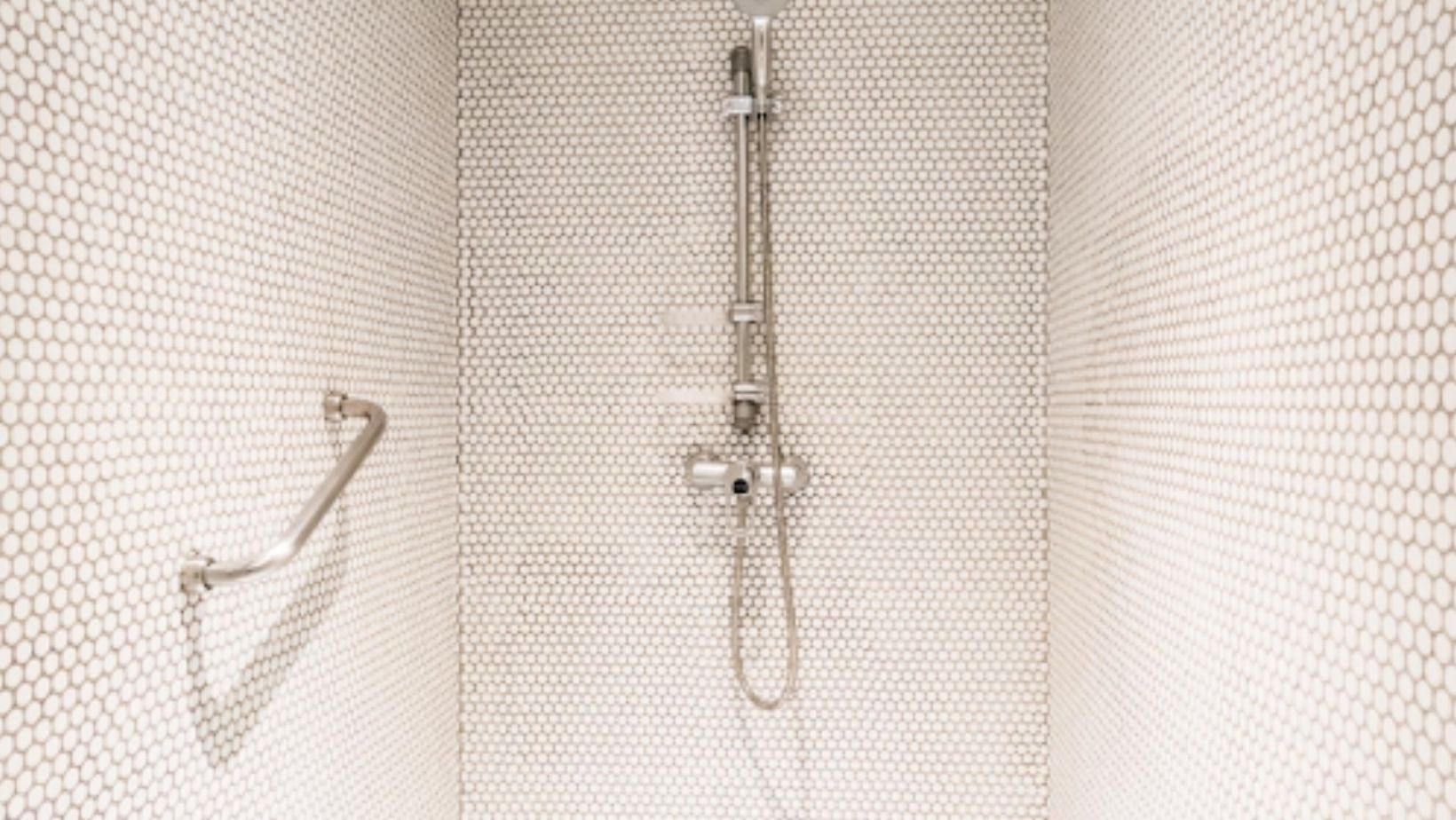
Renovation plans usually affect the selection of materials more than a homeowner might anticipate. The conventional method of tile installation consists of a number of steps, such as surface preparation, adhesive application, placing the tiles, time to dry, and grouting.
Since all the tiles need to be laid with great attention, the procedure can last several days, depending on the size of the shower area. This is why a significant number of homeowners consider the options of a solid shower panel when seeking a faster approach to installation.
Panels are produced as large sheets that are intended to cover a larger portion of the wall in one installation. This means that installers are able to cover the wall surface faster than when using individual tiles. It uses fewer components and does not involve a lot of grouting.
As a result, bathroom remodeling with panels tends to be quicker and less disruptive to normal activities within the household.
2. Cleaning and Maintenance Requirement
After the renovation of the bathroom, the cleaning process is a daily routine. Shower walls are always subject to water, soap residues, and humidity. Consequently, it can be seen that selecting easy-to-maintain materials can make a visible difference.
Tiles themselves are water-resistant and strong. The grout lines between them, however, need to be taken care of regularly. Grout is porous and thus can become wet and hold dirt over time. In damp environments, grout lines can become dark or moldy without regular cleaning.
Due to this fact, tiled showers will often need to be scrubbed and resealed occasionally to keep them looking good. Shower panels, on the other hand, have massive smooth surfaces and minimal joints. This design will restrict zones of moisture and residue accumulation.
Cleaning is usually done by wiping the surface using light cleaning agents. Consequently, panels usually save time and labor involved in maintaining the appearance of shower walls as clean and hygienic.
3. Moisture Protection and Waterproof Performance

Bathrooms are in constant contact with water, and moisture protection is therefore an issue of concern when selecting wall materials. The aim is to ensure that water does not flow behind the wall surface to the structure.
Shower panels are made in a way that they create an almost continuous barrier after installation. They have fewer seams in the entire wall, and therefore, fewer ways that water can flow behind the surface.
The tiles are also resistant to water. Nevertheless, the grout lines between tiles are the weakest. Grout can also experience cracks or wear and tear over time, and the moisture can seep behind the tiles.
Even though this risk can be minimized through proper maintenance, grout still needs to be inspected and maintained periodically. Hence, panels tend to offer greater resistance to moisture because they have fewer joints and seams.
4. Visual Style and Design Flexibility
An effective bathroom renovation must be practical and beautiful at the same time. Tiles have been used for many decades due to a wide range of design options. You are able to mix colors, shapes, and patterns to produce distinctive layouts.
As an example, tiles can be used with decorative mosaics, geometric patterns, and contrasting borders. The number of possible designs is virtually endless since a tile can be positioned by itself.
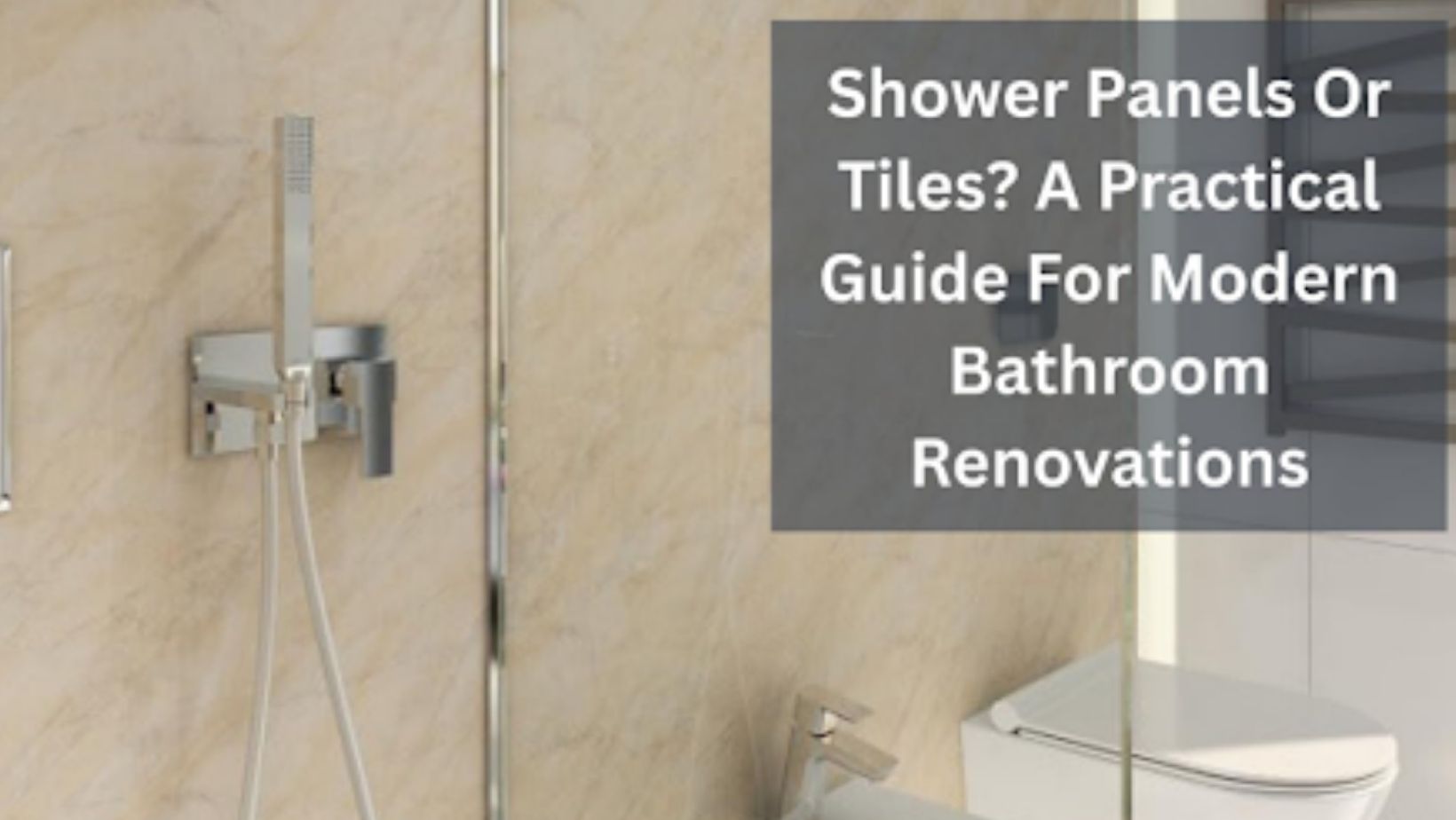
Shower panels have another approach to aesthetics. They do not make a series of small pieces; they make a continuous surface on the wall. This creates a clean, modern look that is effective in modern bathroom design.
Several panels come in a finish that mimics natural materials, including marble, stone, or textured surfaces. Thus, tiles are highly customizable, whereas panels are minimalistic and smooth.
5. Durability and Everyday Performance

Durability is essential because shower walls must withstand daily use, moisture exposure, and temperature changes. The materials used in the renovation should remain reliable for many years.
Tiles are well known for their long lifespan. High-quality ceramic or porcelain tiles can last for decades when installed correctly. However, individual tiles can sometimes chip or crack if they experience a strong impact. Additionally, grout lines may gradually deteriorate and occasionally require repair.
Shower panels are engineered to resist moisture, stains, and everyday wear. Their non-porous surfaces prevent water absorption, which reduces the risk of mold and discoloration.
Because panels cover larger sections of the wall, they also reduce the number of structural joints that may weaken over time. As a result, panels often maintain their appearance with minimal maintenance while still providing reliable durability.
6. Cost Considerations and Long-Term Value
Budget naturally influences renovation decisions. Tiles may initially seem more affordable because individual tiles can be inexpensive. However, the total project cost depends heavily on installation labor.
Tile installation requires skilled workmanship, precise alignment, drying time, and finishing with grout and sealant. These steps increase labor time and may raise overall costs.
Shower panels sometimes involve a higher upfront material price, depending on the design and finish. Nevertheless, installation is typically faster and less labor-intensive.
Furthermore, panels often require less ongoing maintenance compared to tiled walls. Grout repairs, resealing, and deep cleaning may add long-term costs to tiled installations.
Therefore, evaluating total lifetime expenses rather than only initial material prices provides a more accurate comparison between the two options.
Final Thoughts
Choosing between shower panels and tiles ultimately depends on your renovation priorities. Tiles provide extensive design flexibility, allowing decorative patterns and customized layouts that suit both classic and creative bathroom styles. However, they require careful installation and ongoing grout maintenance.
Shower panels present a modern alternative that simplifies many aspects of bathroom renovation. Their large surfaces enable faster installation, easier cleaning, and fewer joints where moisture or residue may collect.
Both materials can perform well when installed correctly. The most practical choice depends on your maintenance expectations, design preferences, and renovation timeline. By considering these factors carefully, you can confidently select the best wall solution.